
Last updated November 15, 2026
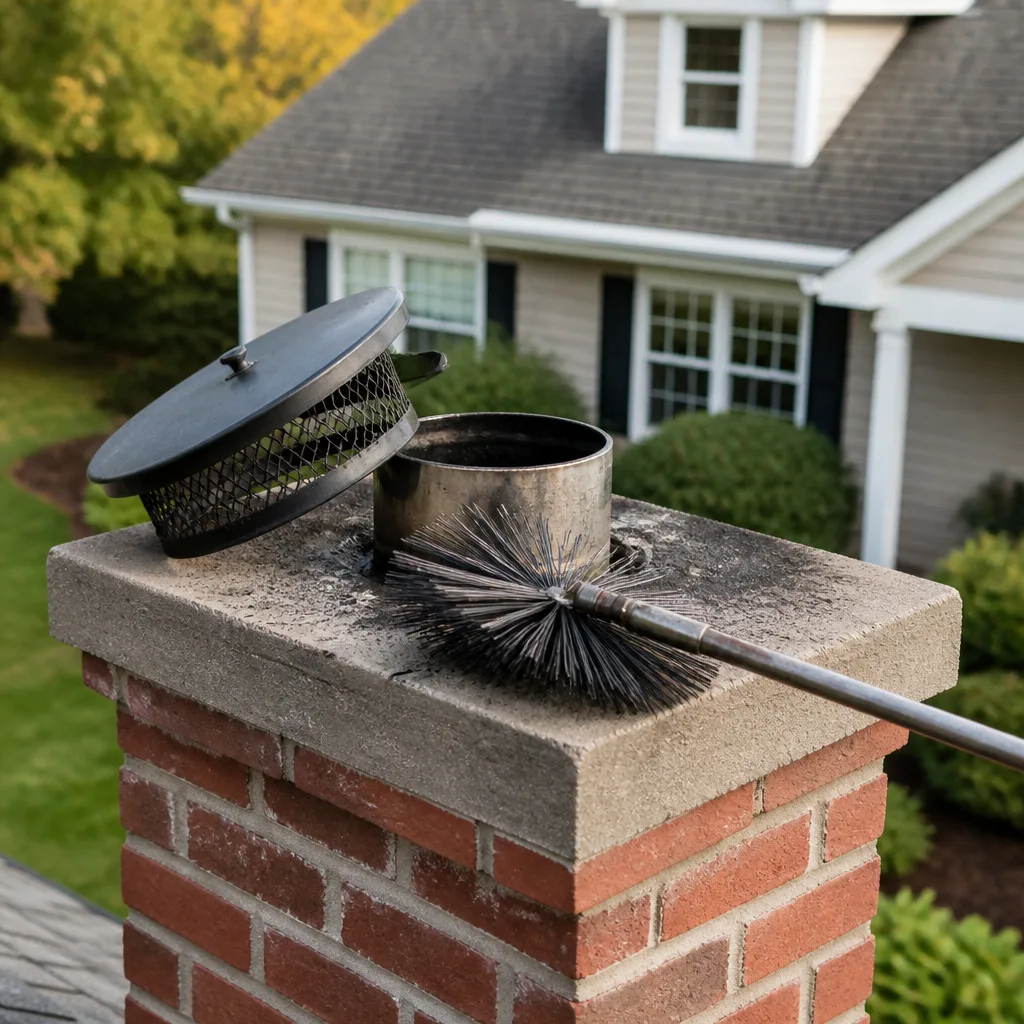 Sweep & inspection
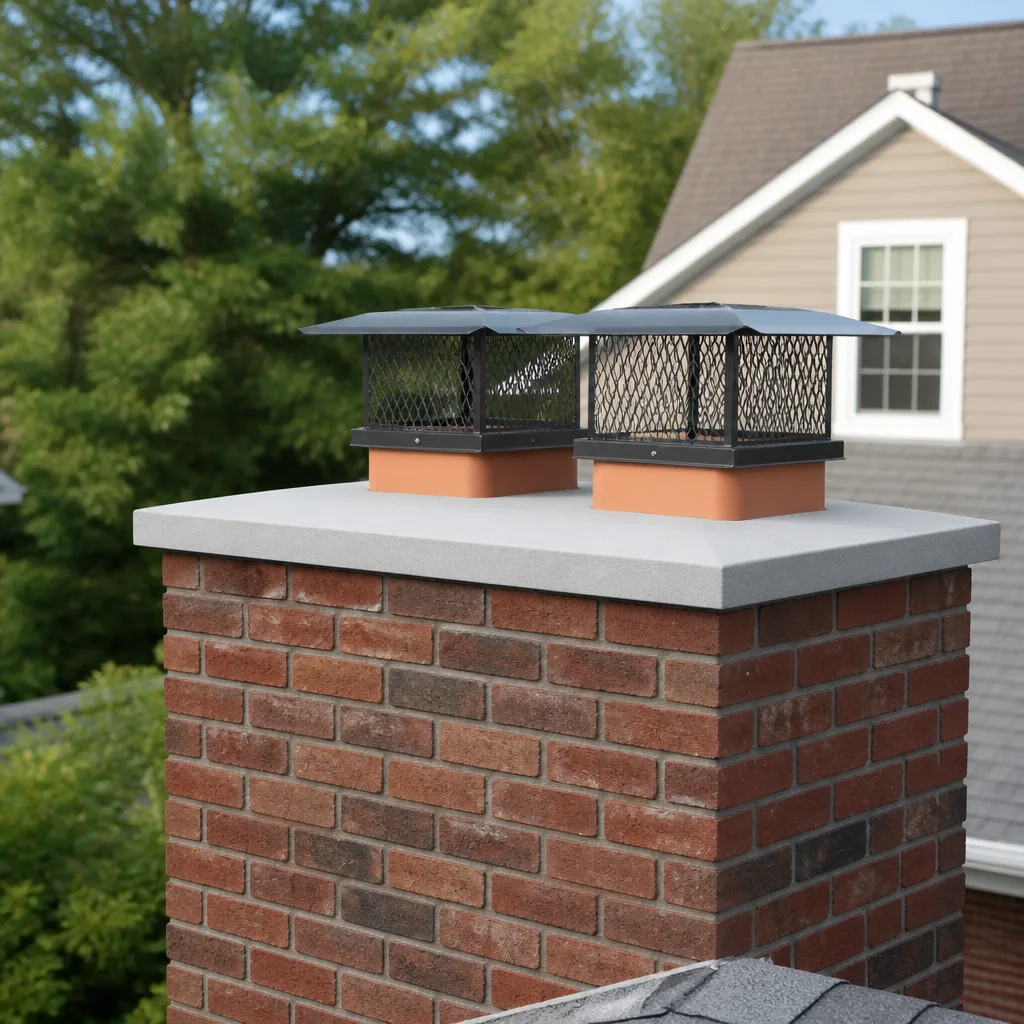 Caps & crowns
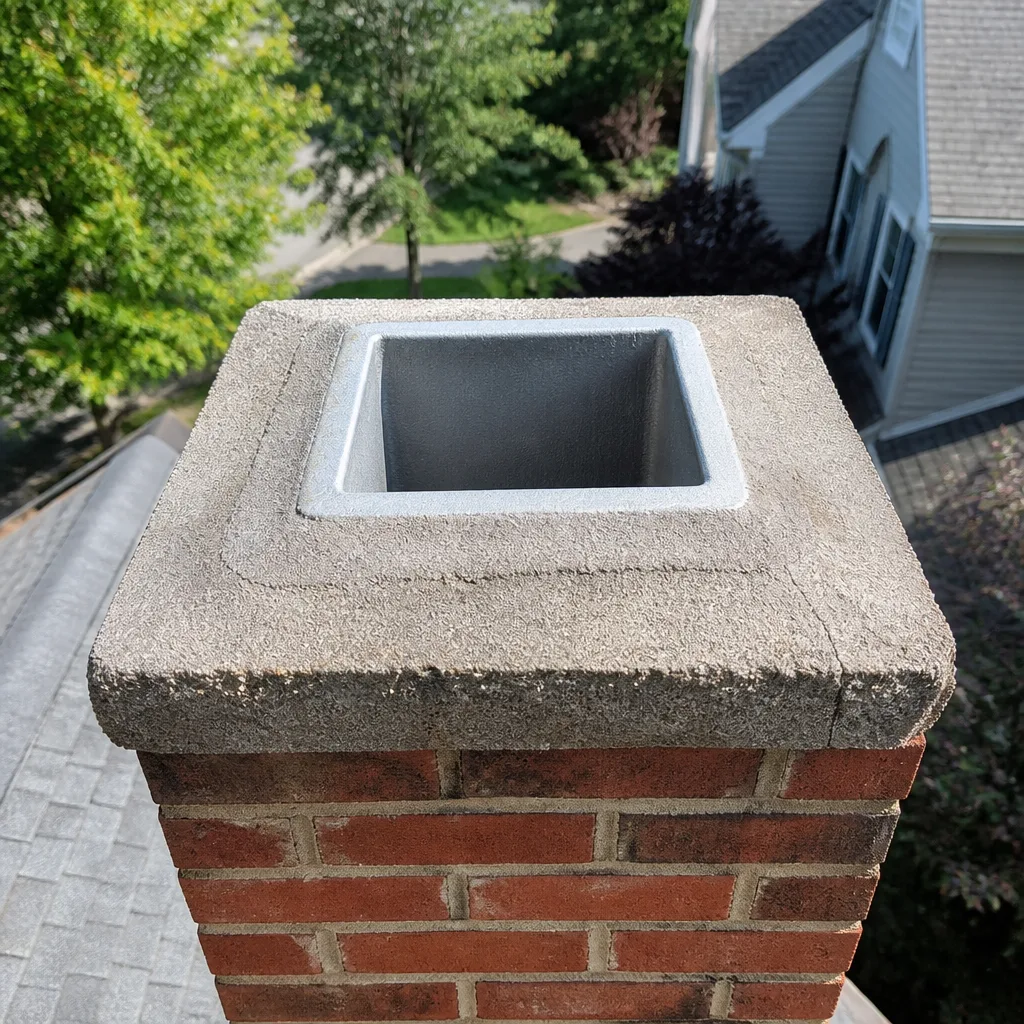 Flue relining
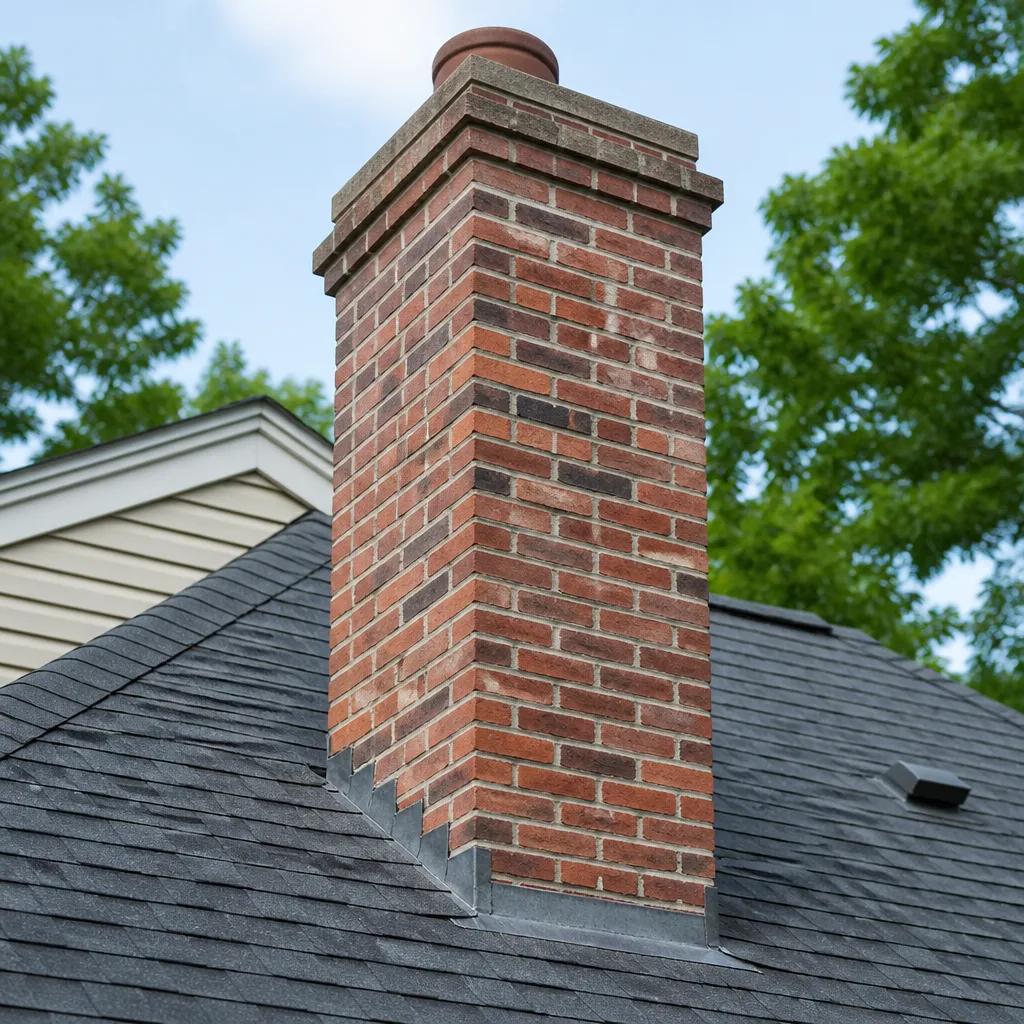 Masonry repair
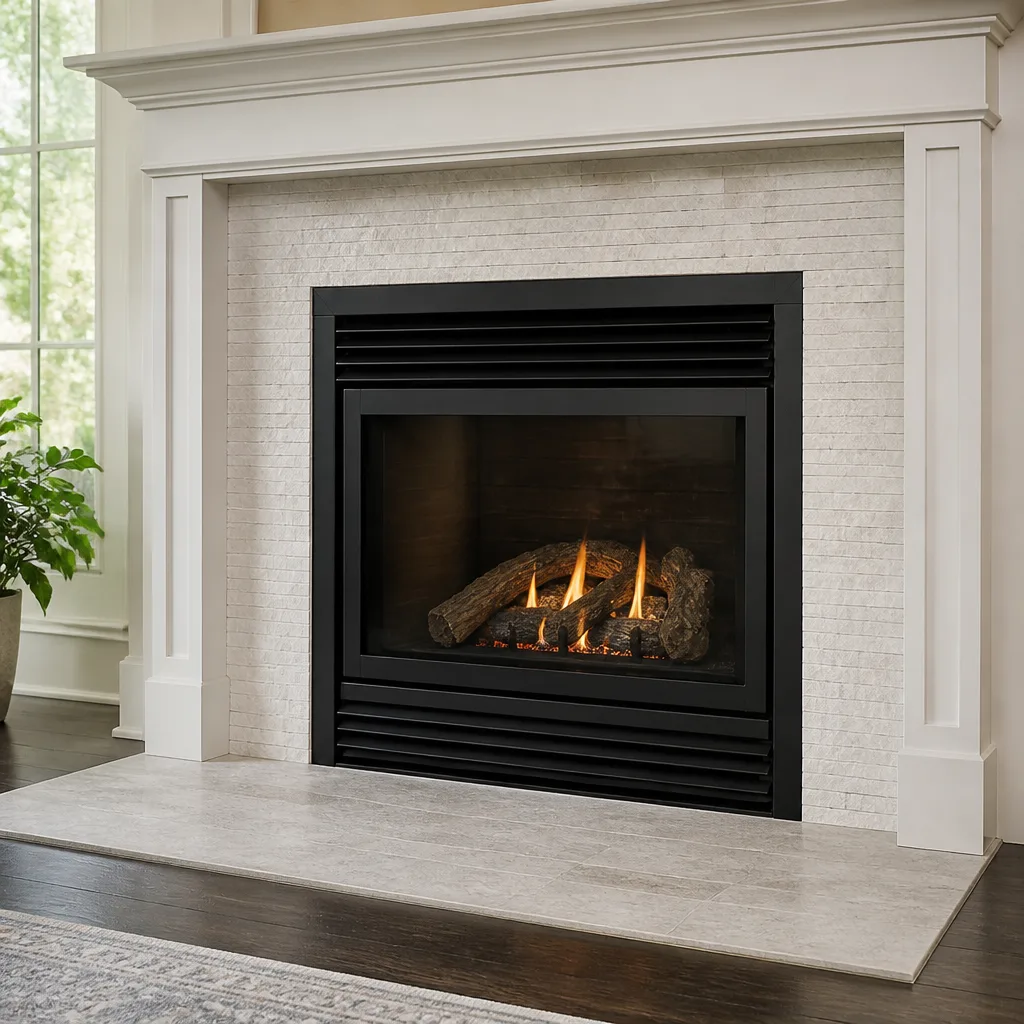 Gas fireplace service
Level 1 sweep and inspection to the NFPA 211 annual standard - flue, crown, cap, and flashing checked and photographed
Chimney sweep logs do not sweep chimneys. They loosen some creosote - which then falls where a brush and vacuum still have to collect it.
Chimney Sweep Troubleshooting in New Orleans: Common Problems and How to Fix Them
If your fireplace smells like a wet basement every time it rains, the problem probably isn’t your chimney cap. It’s more likely what years of Gulf Coast humidity have done to your flue liner, and that changes everything about the fix. Most chimney problems in New Orleans trace back to two regional culprits: chronic moisture and undersized fireplaces built more for decoration than heat. This guide walks through the actual cause-and-effect chain behind the symptoms you’re seeing, so you can tell a simple cleaning from a structural repair, and know which questions to ask before anyone touches your chimney.
Quick Answer
Most chimney problems in New Orleans come from moisture damage and undersized, draft-starved fireplaces rather than from heavy soot buildup alone. The fix depends on which cause you have: a camera inspection and a close look at the firebox and exterior brick will separate a routine sweep from a flue resurfacing or relining job. Cleaning solves a soot or blockage problem; only an inspection that reveals the structure underneath solves a moisture or draft problem.
Styles & brands we work with
- Sweep & inspection
- Caps & crowns
- Flue relining
- Masonry repair
- Gas fireplace service
Table of Contents
- Why Moisture and Undersized Fireplaces Drive Most New Orleans Chimney Problems
- Smoke Backdraft: Negative Air Pressure vs. a Blockage
- Efflorescence: The Moisture Diagnostic You Shouldn’t Ignore
- How Wet-Dry Cycling Accelerates Mortar Joint Failure
- Chimney Odor: Creosote, Mold, or Animals?
- When Cleaning Solves It and When the Camera Reveals the Real Problem
- Shotgun Houses, Renovations, and Draft Problems
- A Preventive Routine That Fits the Local Climate
Why Moisture and Undersized Fireplaces Drive Most New Orleans Chimney Problems
Two forces do most of the damage to chimneys in New Orleans, and they work together. The first is humidity: warm, moisture-heavy air for much of the year, followed by cooler stretches, keeps masonry and liners cycling between damp and dry. The second is the fireplace itself. Many New Orleans homes were built with fireplaces sized for ambiance, not for heat output, and a firebox that’s too small for the flue (or a flue that’s too large for the firebox) is a draft problem waiting to happen.
When you understand which force is at work, the repair path becomes obvious.
- Moisture-driven problems show up as efflorescence, crumbling mortar, rusted dampers, musty odors, and stained flue tiles. They get worse the longer they sit.
- Draft-driven problems show up as smoke rolling into the room, fires that are hard to start, and a fireplace that only “works” when conditions are just right.
- Both at once is common: a moisture-weakened flue can’t hold a good draft, and a poorly drafting fireplace pulls more damp air into the masonry.
The practical takeaway is that a sweep alone won’t fix a moisture or draft problem, and a repair alone won’t fix a soot blockage. That’s why we don’t just clean. We assess, repair, and restore, and we use professional-grade materials from brands chimney specialists trust, including HeatShield, DuraFlex, and Copperfield, because the fix has to match the cause.
Smoke Backdraft: Negative Air Pressure vs. a Blockage
Smoke coming into the room is the most common complaint we hear, and it has two very different causes. Negative air pressure pulls smoke back down the flue even when the chimney is perfectly clean. A blockage, such as a nest, a collapsed tile, or heavy creosote, restricts the flue so smoke has nowhere to go but out the front. Telling them apart is the first task in troubleshooting.
Negative pressure is a house problem, not strictly a chimney problem. It happens when a home is sealed up tight, which is common after a renovation in an energy-efficient shotgun house or a newer build. Bathroom fans, kitchen exhaust, and even a clothes dryer pull air out of the house, and the fireplace becomes the easiest path for replacement air to come back in.
Here’s how to tell them apart:
- Test the conditions. If the fireplace smokes only when the kitchen fan, bathroom fan, or dryer is running, you’re looking at negative pressure. If it smokes every time regardless, suspect a blockage.
- Try a crack of a window. Open a window a few inches near the fireplace and light a small fire. If the smoke stops rolling into the room, pressure is your problem.
- Check the cap and crown. Look at the top of the chimney for a clogged screen, a damaged cap, or a nest. A blocked termination causes a blockage, not a pressure issue.
- Book a camera inspection. A camera run up the flue shows whether a tile has shifted, creosote has built up, or an animal has moved in, and that footage settles the question.
Once you know which one you have, the fix follows. Call New Orleans Chimney Cleaning if you’d like a camera inspection and a written plan before you spend on a repair you may not need. We carry the fix, not just the inspection report.
Efflorescence: The Moisture Diagnostic You Shouldn’t Ignore
Efflorescence is the white, chalky powder that shows up on firebox brick, exterior chimney brick, or the crown. It’s often dismissed as cosmetic, and it isn’t harmless. Efflorescence is a moisture diagnostic: it tells you water is moving through the masonry and pushing mineral salts to the surface as it dries.
On the firebox interior, efflorescence is a red flag for a failing flue liner. When the liner cracks, moisture from the flue and from the house migrates into the surrounding brick. On the exterior, efflorescence usually points to a crown problem, a missing or damaged cap, or failing flashing at the roofline, all of which let water in.
What the powder is telling you depends on where it shows up:
- Firebox brick: Likely a compromised liner. Water is getting behind the tile and into the masonry. This is the point where a camera inspection matters most, because you can’t see the liner failure from the firebox face.
- Exterior brick: Likely a crown, cap, or flashing issue. Water is entering from the top or the roofline. Fix the entry point before it spreads.
- Crown: Often the first sign a crown has cracked. A cracked crown lets water run directly down the flue.
If you see efflorescence, don’t paint over it. Painting traps moisture in the brick and accelerates spalling. Have it inspected, find the water entry, and correct it. When the liner is the culprit, HeatShield ceramic flue resurfacing can restore a cracked or deteriorating flue without the cost and disruption of a full reline, and we’ll tell you honestly if you qualify.
How Wet-Dry Cycling Accelerates Mortar Joint Failure
Mortar joints fail as a cycle, not a single event. When masonry absorbs water, it expands slightly. When it dries, it shrinks back. Repeat that all year in a climate where New Orleans swings between wet and dry seasons, and the mortar joint slowly loses its grip on the brick.
In drier climates, a mortar joint might hold up through many seasons before it starts to crumble. The wet-dry cycle here runs far more often and starts eating away at the joints earlier, especially on chimneys that do double duty as a moisture magnet because of a cracked crown or missing cap.
What to look for:
- Soft or sandy joints. If mortar brushes off with your thumb, it’s already weathered.
- Stepped or stair-step cracks running through the joints on the exterior face.
- Spalling brick where the face of a brick has flaked off, usually from water pushed out as it froze or dried.
- A leaning or loose cap and crown. A storm or settling can crack them and let water in.
Repointing, replacing the damaged mortar with a compatible mix, is a targeted repair. It’s far cheaper to fix a joint than to rebuild a section of chimney, and it’s the kind of structural work we do in-house. We use professional-grade components from brands like Olympia Chimney and Gelco for caps, crowns, and venting, so the repair is built to survive the same cycling that caused the failure.
Chimney Odor: Creosote, Mold, or Animals?
A chimney smell is not one problem; it’s a smell with a specific cause and a specific fix. Creosote smells sharp and smoky, like an old campfire. Mold or mildew smells musty and damp, the wet-basement smell. Animal intrusion smells distinctly different, closer to a barn or a dead animal depending on the situation. Getting the diagnosis right saves you from paying for the wrong repair.
Creosote. Creosote is a natural byproduct of burning wood, and when it builds up in the flue it holds odor and creates a fire risk. A call to book a chimney sweep is the right first step. The sweep removes buildup and reduces the odor at the source.
Mold and mildew. A musty smell often means moisture is trapped in the flue or firebox, usually a sign of a liner problem or a chimney that stays damp. This is where an inspection matters, because the odor is a symptom of the moisture issue covered earlier.
Animals. Birds, squirrels, and raccoons move into uncapped or damaged chimneys, and they leave nesting material and droppings behind. The fix is to remove the intruder safely, clear the flue, and install a proper cap so it doesn’t happen again. We use caps and termination components from brands like Copperfield and Olympia Chimney to seal the top correctly.
If you can’t tell which of the three you’re dealing with, that’s a good reason to call. A technician will identify the source and tell you what the fix involves before anything is scheduled.
When Cleaning Solves It and When the Camera Reveals the Real Problem
A cleaning solves a problem when the issue is buildup: soot, creosote, or a physical blockage such as a nest or a fallen object. A cleaning does not solve a problem that lives in the structure. Cracks in the flue tile, a separated liner, spalling refractory, or a dislocated tile only show up on a camera inspection run up the flue.
In our experience, the most common misunderstood problem is the chimney that looks clean and still smokes, or the firebox that looks fine while the flue is failing behind it. That’s the reason we include camera inspection and a photo report with a sweep. The inspection is the only way to know whether you’re dealing with soot or structure.
When a cleaning is enough:
- The flue and damper are intact and the camera confirms no gaps or cracks.
- The buildup is ordinary soot and creosote, and the flue passes a visual inspection.
- The problem was a blocked cap, nest, or debris that the sweep removed.
When the camera changes the plan:
- The liner is cracked, spalled, or separated, and a repair or reline is needed.
- Efflorescence or staining shows water is reaching the masonry from the flue side.
- A draft problem persists after cleaning, pointing to a sizing or pressure issue rather than buildup.
We work with DuraFlex flexible liner systems for full relines when resurfacing won’t hold, and HeatShield resurfacing when the flue can be restored without a new liner. You get the footage, the explanation, and a written estimate, so you can decide with the whole picture in front of you.
Shotgun Houses, Renovations, and Draft Problems
New Orleans has a lot of older homes, and the shotgun house is one of the most recognizable. Its long, narrow layout and the way it’s been renovated over the years can set up draft problems that have nothing to do with a dirty flue. A home sealed and insulated for efficiency can starve the fireplace of air, and a fireplace that used to work may suddenly start smoking after a renovation.
Draft problems in renovated homes tend to follow a pattern:
- The house is sealed tighter. Weatherstripping, new windows, and insulation cut the air leaks that used to feed the fireplace.
- Exhaust appliances compete for air. Bathroom and kitchen fans, and clothes dryers, pull air out of the house. The fireplace loses the tug-of-war.
- The flue is the wrong size for the firebox. Undersized fireplaces with oversized flues, or the reverse, struggle to establish a draft, and a renovation doesn’t fix that.
- The chimney is on the wrong side of the pressure. Taller surrounding structures or roof changes can change the pressure at the chimney top.
Diagnosing a draft problem in a New Orleans home starts with ruling out a blockage and confirming the flue structure, then checking how the house is pressurized. That’s a different conversation than a simple cleaning, and it’s one we’re set up to have.
A Preventive Routine That Fits the Local Climate
Chimney maintenance here has to account for moisture and for the way the fireplaces were originally built. A routine that works in a dry climate doesn’t fully apply. What works in New Orleans is a schedule that keeps moisture out, keeps the flue clean, and catches structural problems before they turn into a rebuild.
A sensible routine:
- Book a sweep and camera inspection on a regular schedule. A yearly sweep is a common baseline, and a camera inspection confirms what’s actually going on inside the flue.
- Check the cap and crown every year. A cracked crown or missing cap is the most common way water gets in, and it’s the cheapest thing to fix.
- Watch for efflorescence and stains. White powder or dark staining on the firebox or exterior brick means water is moving through. Catch it early.
- Keep the firebox and damper clear. A rusted or stuck damper affects draft and moisture. Have it checked during the sweep.
- Don’t ignore the dryer vent. A plugged dryer vent is a fire hazard in its own right. A call for dryer vent cleaning handles the laundry side of the same fire-safety picture.
One call covers your fireplace flue and your dryer vent. Both are fire hazards, both deserve professional attention, and handling them together keeps the whole house safer without scheduling two separate contractors. If you’re looking for a team in New Orleans that can sweep, inspect, and repair under one roof, we’re set up for exactly that.
Common Mistakes to Avoid
- Painting over efflorescence. Paint traps moisture in the brick and speeds up spalling. Find the water source and fix it instead.
- Assuming a smell means a dirty chimney. A musty smell points to moisture or mold, and a sharp smoky smell points to creosote. They call for different fixes.
- Treating backdraft as a cleaning problem. If the smoke starts only when a fan or dryer runs, the issue is house pressure, and a sweep won’t solve it.
- Skipping the camera inspection to save a little now. The flue structure is invisible from the firebox. Without the camera, you’re guessing about the liner.
- Burning wet or unseasoned wood. Wet wood produces more creosote and more moisture in the flue, which is the worst combination in this climate.
- Leaving the chimney uncapped. An uncapped flue invites rain, animals, and debris. A proper cap is one of the most effective, low-cost protections.
- Forgetting the dryer vent. Lint buildup in a dryer vent is a serious fire hazard and gets overlooked while everyone focuses on the fireplace.
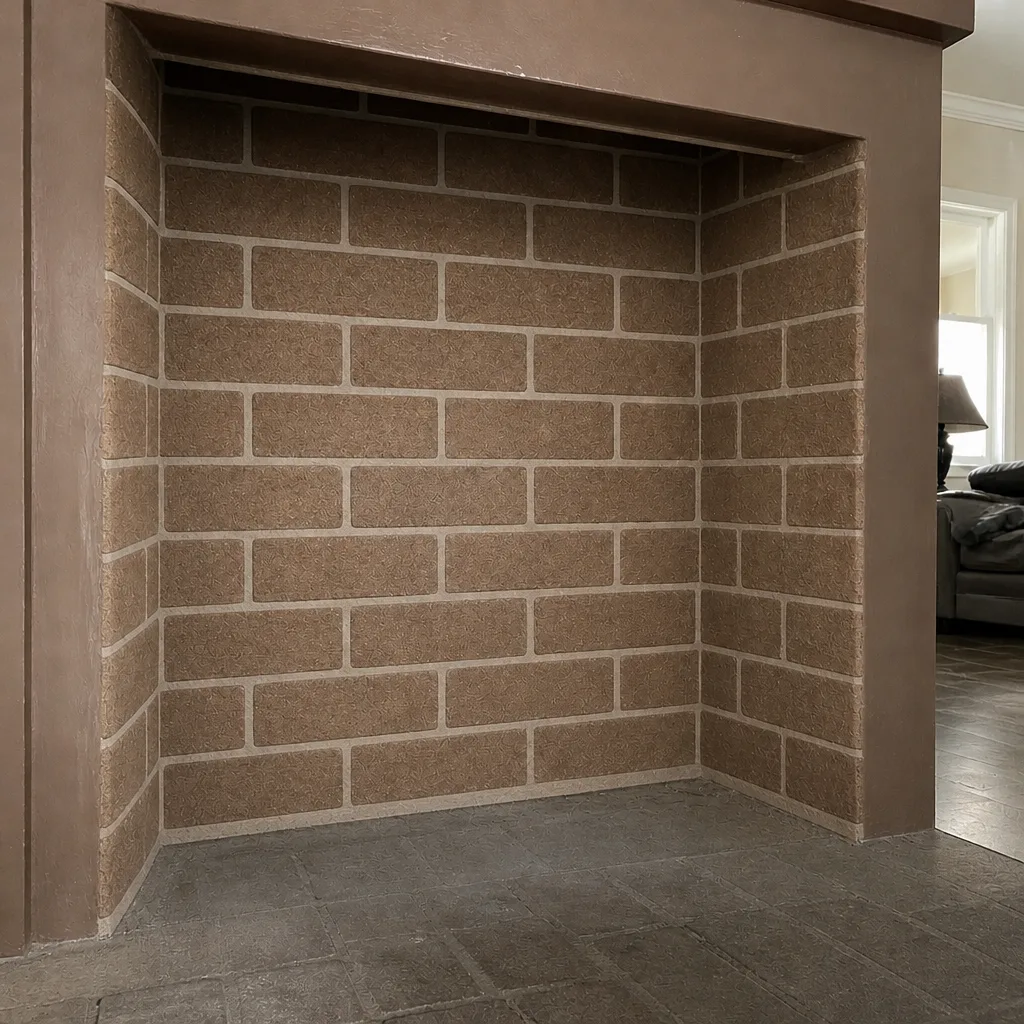
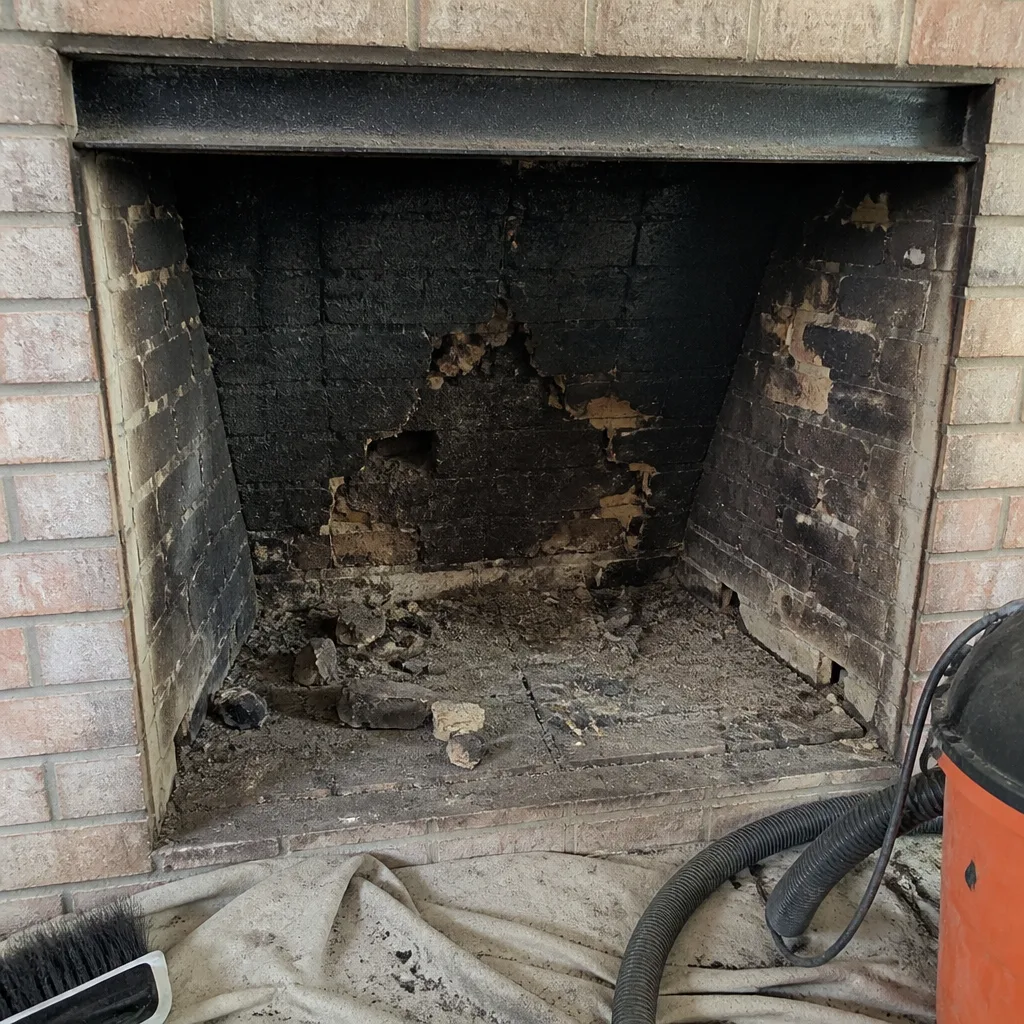
See the difference
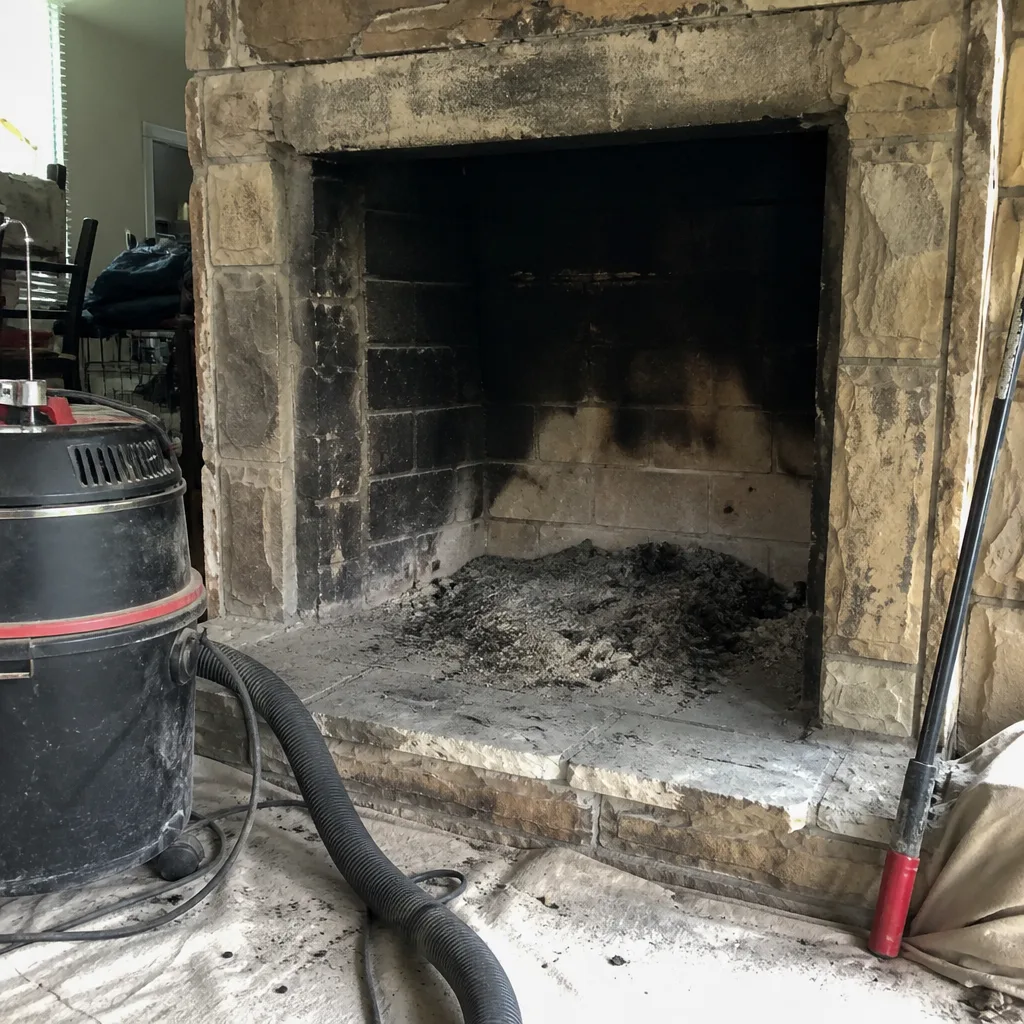 Before
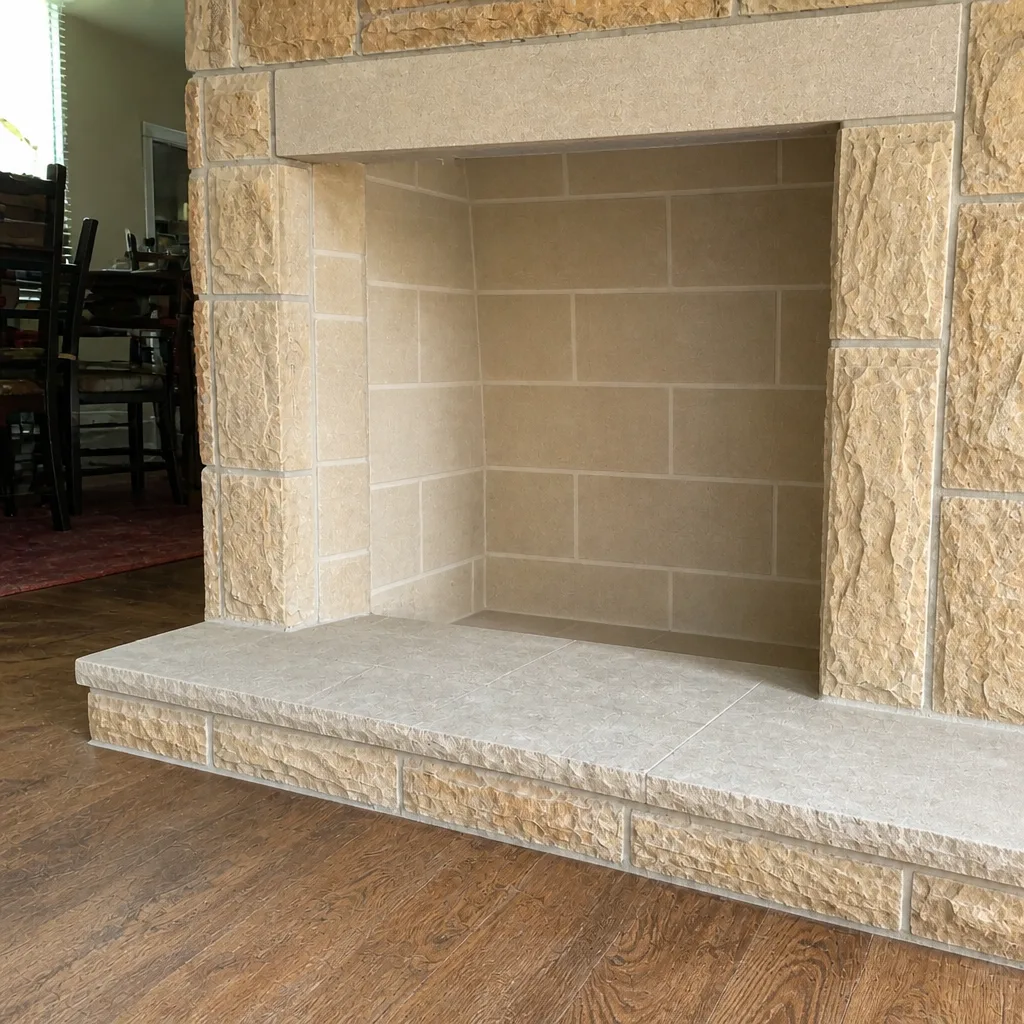 After
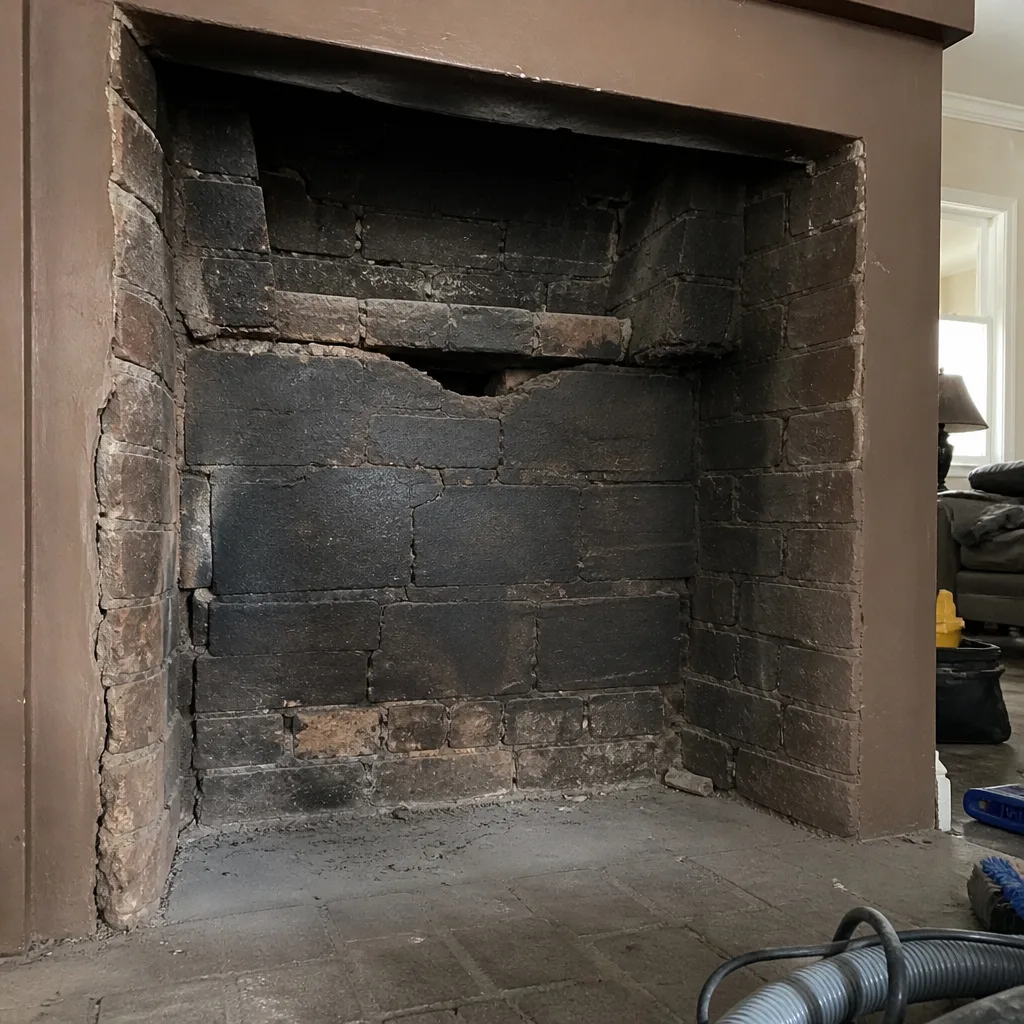 Before
 After
 Before
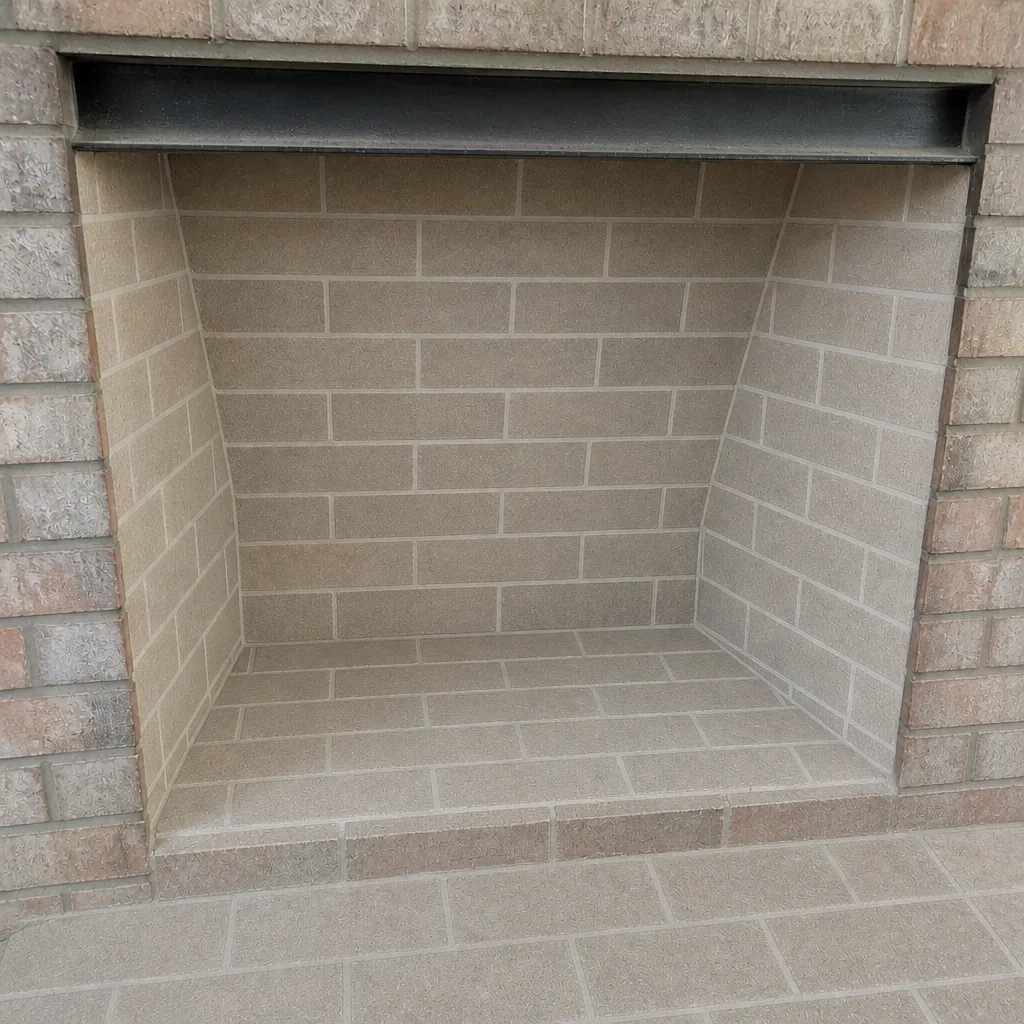 After
When to Call a Professional
Call a professional when you see smoke rolling into the room, smell a persistent odor you can’t trace, notice efflorescence or staining on the brick, or haven’t had the flue inspected in a while. Call if a fire has been hard to start and smoky for more than one season, if the damper sticks, or if an animal has been in the chimney. Those signs point to problems that a homeowner can’t safely diagnose alone. The flue and liner are a hidden structure, and the only reliable way to know their condition is a camera inspection. New Orleans Chimney Cleaning offers free estimates in New Orleans – call (833) 946-8575. We answer 24/7. Fast dispatch from 7am to 7pm, Sunday through Friday.
Frequently Asked Questions
The cost depends on the job, and we don’t quote a number before we’ve seen the flue. The written estimate sets the final price, and the estimate is free. Our technicians have up to 14 years of experience and include a camera inspection and photo report with a sweep, so the price covers the diagnosis, not just the cleaning. Call (833) 946-8575 for an exact quote – estimates are free.
A musty smell when it rains usually means moisture is trapped in the flue or the firebox, which often points to a liner problem or a chimney that stays damp. Rain isn’t necessarily the whole story; it’s often the damp masonry giving off the odor as the wet season sets in. A camera inspection confirms whether the liner needs attention. Call (833) 946-8575 and we’ll take a look.
No. Smoke in the room is often negative air pressure rather than a dirty flue. If it happens only when a kitchen fan, bathroom fan, or dryer is running, the house is likely pulling air down the chimney. If it happens every time, suspect a blockage and book an inspection. Either way, an inspection settles it – call (833) 946-8575.
Not necessarily. A cracked or spalled flue can sometimes be restored with HeatShield ceramic resurfacing instead of a full reline. A new liner is the right fix when the flue is too damaged for resurfacing or has separated tiles, and DuraFlex flexible liners cover that case. The camera footage tells us which one you need, and we won’t recommend a reline without it. Call (833) 946-8575 for a free estimate.
A yearly sweep is a common baseline for a fireplace in regular use, and a camera inspection is worth doing at the same time. In New Orleans, the added moisture means the inspection matters as much as the cleaning, because a clean flue can still have a failing liner behind it. Call (833) 946-8575 to book a sweep and inspection.
Skipping maintenance lets soot, creosote, and moisture damage build without anyone seeing it. Creosote is a fire risk, and a failing liner lets heat and gases reach the surrounding structure. Neither problem announces itself, which is why inspection is the whole point. Book a sweep and camera inspection – call (833) 946-8575 and we’ll show you exactly what we see.
The Bottom Line
Most chimney problems in New Orleans come down to moisture and draft, not soot alone. If you see efflorescence, smell something musty, or get smoke in the room, the cause matters more than the symptom. Cleaning solves buildup, but the camera inspection is what reveals a failing liner or a cracked flue underneath. Once you know the cause, the fix gets straightforward: a sweep, a HeatShield resurfacing, or a DuraFlex reline, and sometimes all you need is a proper cap. Diagnose first, then repair – that’s the whole method.
If you’d like a straight answer about your own chimney, call New Orleans Chimney Cleaning at (833) 946-8575 for a free estimate. We answer 24/7. Fast dispatch from 7am to 7pm, Sunday through Friday. We don’t just clean – we assess, repair, and restore, with professional-grade materials from brands chimney specialists trust.
Written by the team at New Orleans Chimney Cleaning.