
Last updated November 15, 2026
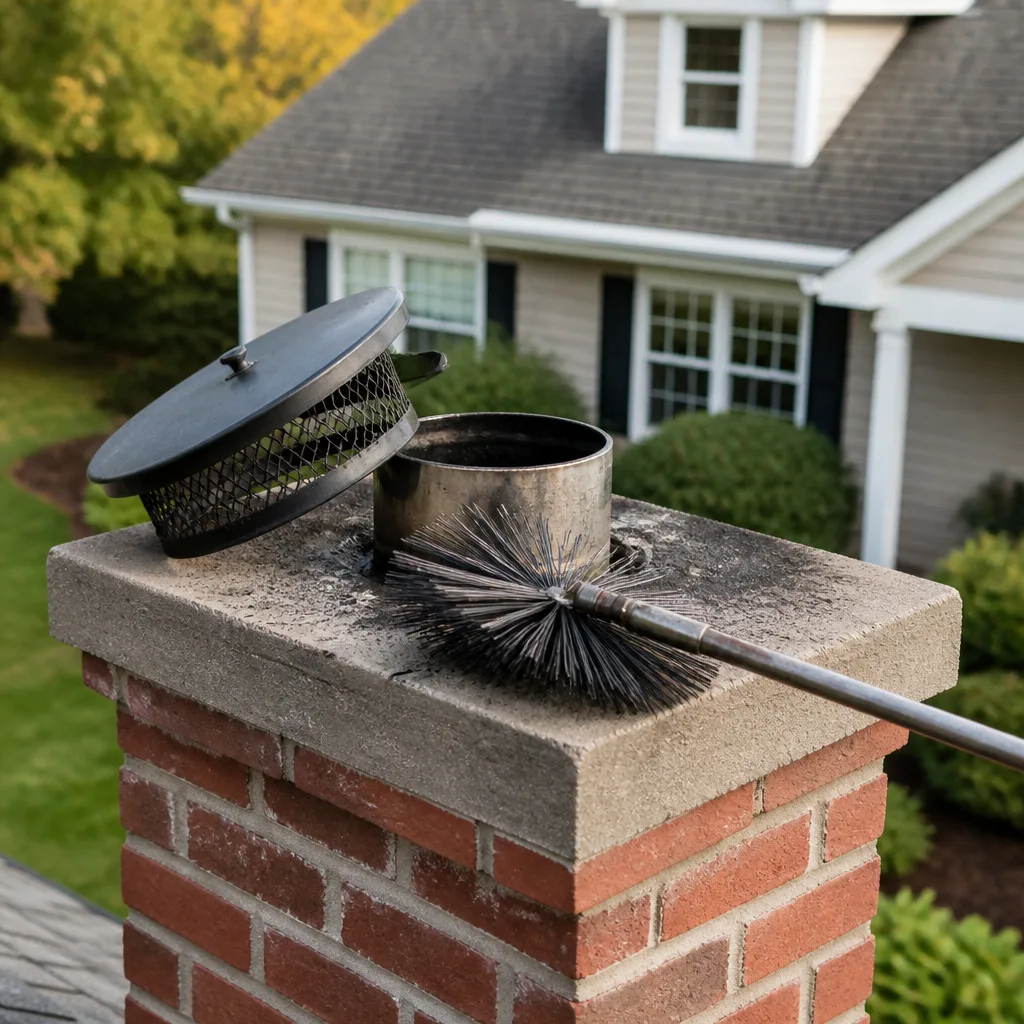 Sweep & inspection
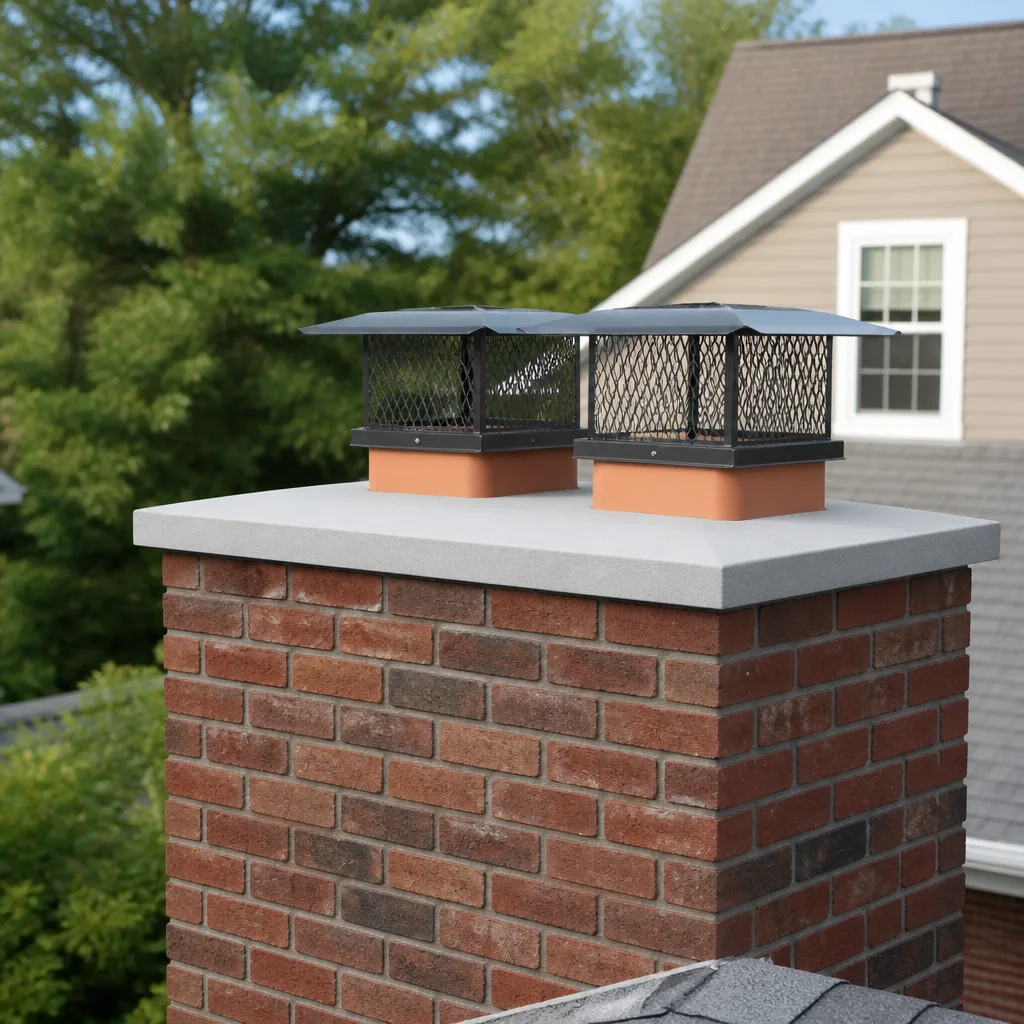 Caps & crowns
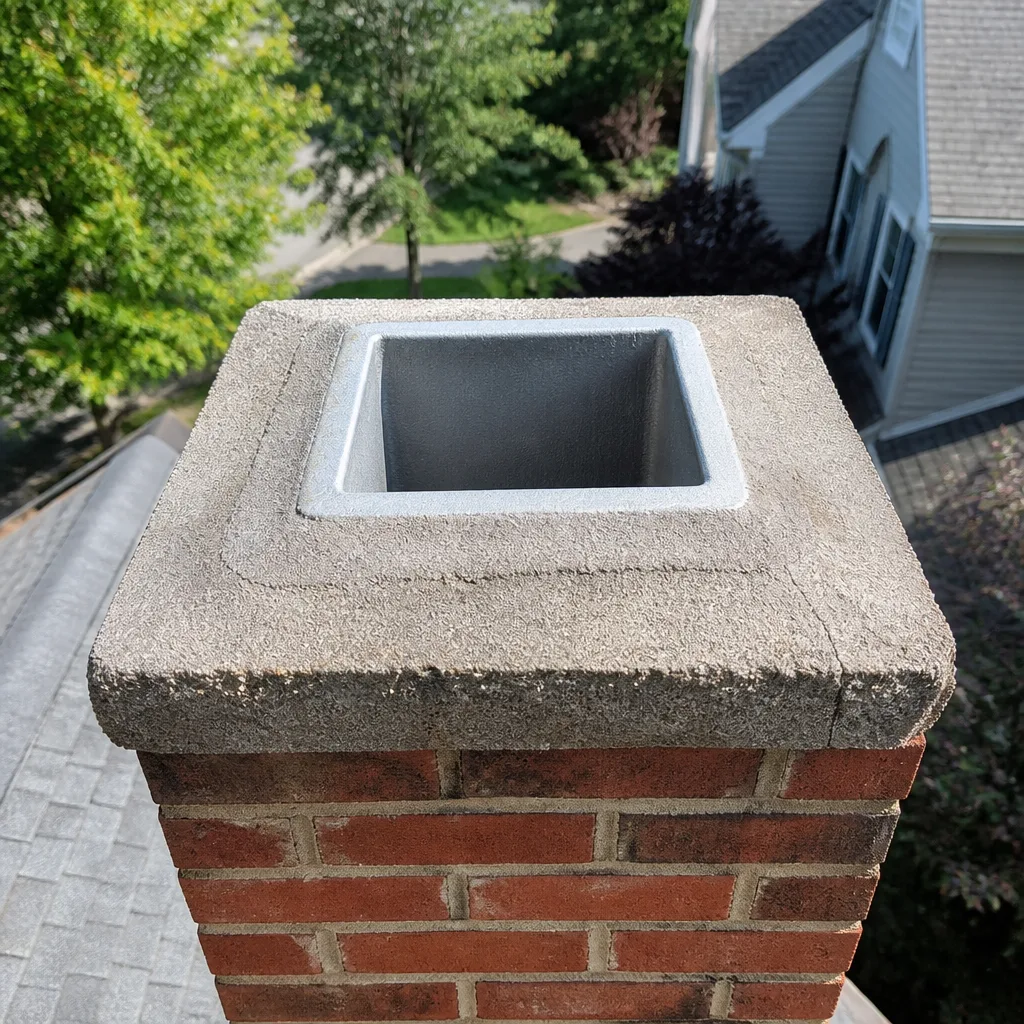 Flue relining
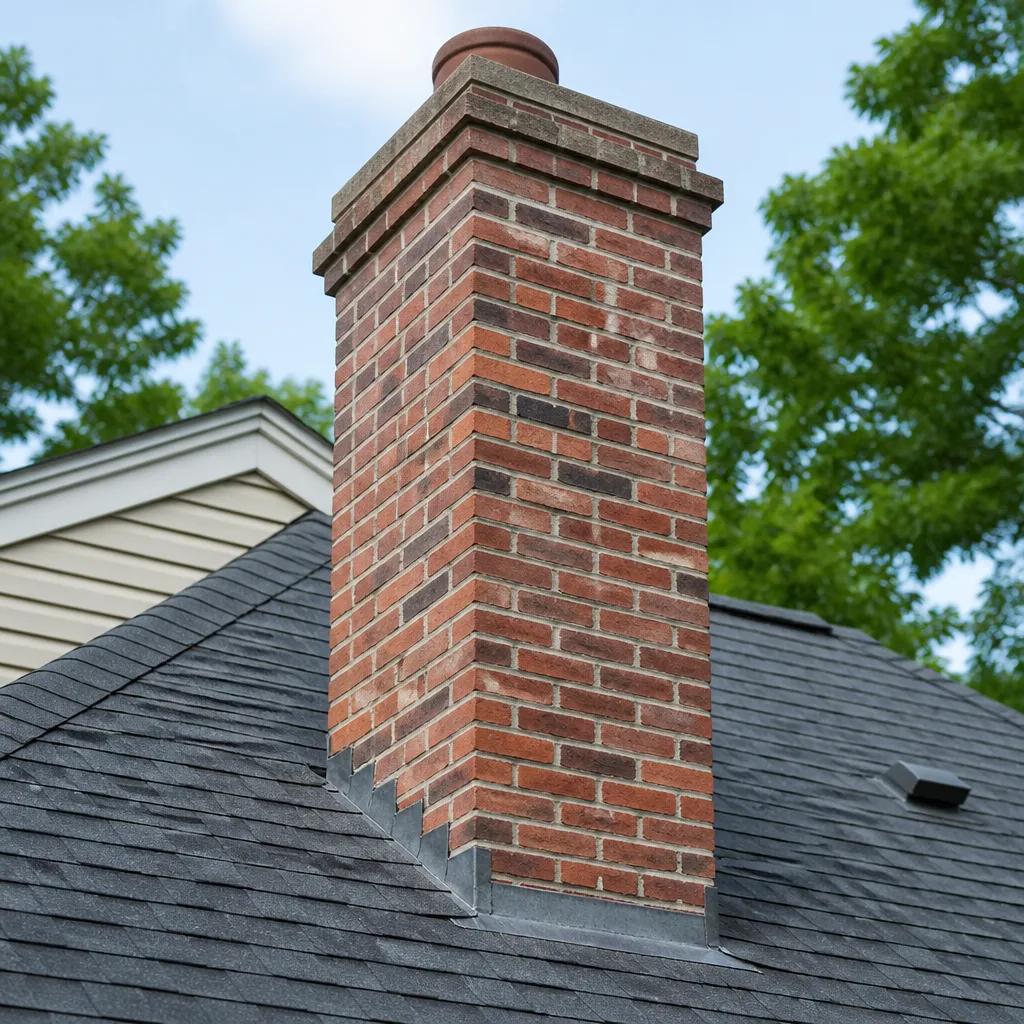 Masonry repair
 Gas fireplace service
Level 1 sweep and inspection to the NFPA 211 annual standard - flue, crown, cap, and flashing checked and photographed
Chimney sweep logs do not sweep chimneys. They loosen some creosote - which then falls where a brush and vacuum still have to collect it.
DIY vs Professional Chimney Cleaning: The New Orleans Homeowner’s Decision Guide
You can rent a brush kit for $60 and remove visible soot yourself. That part is true, and we won’t pretend otherwise. But here’s what that $60 rental doesn’t come with: any way to know whether the liner you just cleaned is cracked, offset, or missing a section. That knowledge gap is the part that starts house fires, and it’s why so many New Orleans homeowners end up calling us after a weekend of DIY work feeling less sure of their chimney than when they started. This guide gives you the honest line between what’s safe to handle yourself and what genuinely requires a professional. You’ll learn which tasks are practically DIY-able, which aren’t, and how to tell the difference in your own home.
Quick Answer
Light surface cleaning of a firebox and damper area is within reach for a careful homeowner, but actual flue cleaning and chimney inspection are not practical DIY projects. The reason isn’t the scrubbing; it’s the diagnosis. A professional chimney sweep in New Orleans uses video inspection, draft testing, and a trained eye to find liner defects that surface cleaning can’t reveal. If you want to know your chimney is safe, not just cleaner, that requires a professional.
Styles & brands we work with
- Sweep & inspection
- Caps & crowns
- Flue relining
- Masonry repair
- Gas fireplace service
Table of Contents
- What You Can Actually Do Safely Yourself
- What Requires a Professional and Why
- Why New Orleans Housing Stock Raises the Stakes
- The Tools That Change the Diagnostic Outcome
- The Insurance and Liability Angle
- A Fair-Minded Cost Comparison
- How a Professional Sweep Actually Works
- A Realistic DIY Safety Checklist
What You Can Actually Do Safely Yourself
There’s a real list of tasks a homeowner can handle without specialized training, and we’d rather you know it than waste money on a service call for something you can do in twenty minutes. The key is understanding that these tasks are about maintenance and observation, not cleaning the flue itself.
The following are genuinely within reach for a careful homeowner:
- Removing ash from the firebox. A shop vac rated for fine ash or a metal scoop and bucket handles this safely once the fire is fully cold. Never use a standard household vacuum on ash; it will clog and can ignite.
- Clearing the firebox of debris. Leftover logs, kindling scraps, and creosote flakes that have fallen into the firebox can be swept up and discarded.
- Checking the damper operation. Opening and closing the damper by hand to confirm it moves freely and seals reasonably well is a simple observation task.
- Visual inspection of the firebox. Shining a flashlight on the firebox walls to spot obvious cracks, missing mortar joints, or loose bricks is something you can do and should do. What you do with that information is where professional input matters.
- Looking up the flue from the firebox with a flashlight. You can see the first several feet. If you see heavy, glazed creosote or obvious cracks, stop and call a professional.
- Checking the exterior cap and crown from the ground. Binoculars work fine. A missing cap or a visibly cracked crown is worth noting and reporting.
Notice what’s not on that list: brushing the flue. Actual flue cleaning requires rods, brushes sized to the flue, drop cloths, and a working knowledge of what you’re looking at as you go. We’ve seen homeowners do more damage than good trying to run a rental brush up a flue they didn’t understand. On a roof in New Orleans, with the pitch variations you find across older neighborhoods, the roof access alone is a serious hazard. More on that below.
What Requires a Professional and Why
The gap between DIY and professional chimney work isn’t about effort or willingness. It’s about three things: physical safety on the roof, knowledge of what you’re seeing, and the documentation that follows. Understanding each one helps you decide where your line is.
Roof access and fall risk
Chimney cleaning from the top down requires getting onto a roof, working safely on it, and getting back down. In New Orleans, roof pitches vary widely depending on the era and style of the house, and many older homes have steep or irregular rooflines. A fall from roof height is a life-altering event. This alone disqualifies top-down cleaning as a practical DIY task for most homeowners, regardless of how handy you are around the house.
Creasote recognition and removal
Creosote comes in stages, from light soot to a glazed, tar-like substance that’s genuinely difficult to remove and highly flammable. A homeowner can’t reliably tell the difference between stage-two creosote (removable with brushing) and stage-three glazed creosote (which may require chemical treatment or, in severe cases, liner replacement). A trained sweep knows the difference at a glance.
Liner inspection
This is the big one, and it’s the heart of the professional value. A cleaned chimney is not the same as a safe chimney. A flue can look clean from the firebox and be internally compromised higher up, or offset, or missing a liner section entirely. Without video inspection, you have no way to know. This is particularly true in older New Orleans homes, which we’ll get into next.
Draft verification
A chimney that doesn’t draft properly is a carbon monoxide risk. Smoke pencils and draft gauges confirm that the chimney is actually pulling combustion gases up and out. You can’t verify this by looking at it.
Why New Orleans Housing Stock Raises the Stakes
New Orleans has a large concentration of homes built before 1970, and that matters enormously for chimney safety. Chimneys from that era were often lined with clay tile, which was fine for the fuel and usage patterns of the time. Decades later, those tiles crack, spall, shift, and separate. And here’s the part that catches people: a cracked tile liner can look perfectly fine from the firebox and from the top of the chimney, with the damage hidden in the sections you can’t see.
Homes from this era often have other characteristics that make hidden defects more likely:
- Original clay tile liners with cracked or offset joints. Clay tile liners crack from thermal cycling and physical settling. Offsets between tiles allow creosote to accumulate behind the liner, where it can’t be reached by brushing.
- Unlined masonry chimneys. Some older construction predates liner requirements entirely. An unlined chimney passes creosote and heat directly against the surrounding masonry and framing.
- Chimneys that have been modified over the decades. A chimney that once served a wood fireplace and now serves a different appliance may have been adapted in ways that compromise its original design.
- Settling and structural movement. New Orleans soil, foundation conditions, and storm history mean that structural movement in older chimneys is common. Movement stresses liners.
What this adds up to is simple: in a newer home, a clean sweep and a visual check may be enough to establish reasonable confidence. In an older New Orleans home, a surface clean without video inspection tells you almost nothing about whether the flue is safe. That’s not a knock on DIY cleaning. It’s a statement about what that cleaning can and can’t verify in older housing stock. If you live in a pre-1970s home in New Orleans, the inspection is the value, not the brush.
The Tools That Change the Diagnostic Outcome
Here’s a useful mental model: the difference between DIY chimney cleaning and professional chimney service isn’t primarily about cleaning equipment. It’s about diagnostic equipment. The cleaning tools are the easy part. The diagnostic tools are what tell you whether the cleaning accomplished anything.
At our end, the tools that make the difference are:
- Video inspection cameras. A camera run down the flue shows the actual condition of the liner, including cracks, gaps, offsets, and missing sections that no amount of flashlight-peering will reveal. This is the single most important diagnostic tool in chimney work, and it’s the one most homeowners have no access to.
- Smoke pencils. A smoke pencil produces a thin visible stream of smoke that reveals how air is actually moving through the chimney. It shows whether the flue is drafting properly or pulling air the wrong direction, which no amount of visual inspection can confirm.
- Draft gauges. These measure pressure differentials in the flue and confirm that the chimney is venting combustion gases as designed. A draft problem is a carbon monoxide problem, so this isn’t a formality.
- Creosote grading tools. A sweep can classify creosote by stage and determine the right removal approach. Glazed creosote needs a different method than soot.
- Specialized rods and brushes sized to your flue. A brush that’s the wrong size for the flue either doesn’t clean effectively or damages the liner. A sweep carries the right sizes.
What these tools find, consistently, is that some fraction of the chimneys that look clean and “fine” from the firebox are not fine at all. We’ve seen cracked liners behind seemingly healthy-looking fireboxes, offset tile joints that no brush could reach, and missing liner sections the homeowner had no idea about. That’s not a scare tactic. It’s the ordinary outcome of looking with a camera instead of a flashlight. The camera either shows you that the flue is sound, in which case you can be genuinely confident, or it shows you a problem while it’s still fixable.
When the camera does find a problem, our ability to fix it right there is a big part of why the professional visit is worthwhile. HeatShield flue resurfacing can restore a cracked masonry flue in some cases without a full reline. When relining is necessary, DuraFlex flexible liner systems cover the structural repair side. Using a professional-grade venting brand like Olympia Chimney for the components ensures the parts are appropriate for the job. The point is that the inspection and the fix don’t have to be two separate appointments with two separate contractors. We carry the fix, not just the inspection report.
The Insurance and Liability Angle
If your chimney is involved in a fire and you have no record of a professional inspection, you may find yourself explaining an unverifiable situation to your insurance company. This is a practical point that homeowners often don’t think about until it matters. Most homeowner insurance policies include conditions about maintenance, and an insurer has latitude to question coverage for a fire in a chimney that was never professionally verified as sound.
The professional sweep visit produces documentation. Video inspection findings, a written report, and a record of the sweep itself create a paper trail that says: this chimney was inspected, its condition was known, and any recommended repairs were made or documented. That’s not a guarantee about any insurance outcome, and we’d never tell you it eliminates all risk. But it’s a meaningful difference from the alternative, which is no documentation at all.
Before you schedule, it’s worth a call to your insurer to ask what they typically want to see for chimney fire coverage. That’s their field, not ours, but on our end we can tell you that we document what we find and we’re transparent about it. When a homeowner decides to DIY-clean and skip the inspection, the safety risk and the documentation gap run on separate tracks. The safety risk is the more serious one. The documentation gap is the more quietly expensive one, because you don’t discover it until you’re filing a claim.
A Fair-Minded Cost Comparison
Let’s do this comparison honestly, because a fair cost analysis actually supports professional service without needing exaggeration. We’re not going to pretend DIY is free, and we’re not going to pretend professional service is cheap. Here’s the real breakdown.
DIY costs (realistic)
- Brush kit rental or purchase: typically around $40 to $100 for a rod-and-brush set, depending on flue size and rental vs. purchase.
- Drop cloths, tarps, and cleanup supplies: roughly $15 to $40.
- Respirator and safety glasses: about $20 to $60.
- Time: three to four hours of your day, minimum, including prep and cleanup, and not counting the time to learn how to do it correctly.
- Roof access risk: not reducible to a dollar figure, but real. This is the item that should weigh heaviest in the comparison.
- Diagnostic uncertainty: you finish the job with no reliable knowledge of whether the flue is actually safe.
Professional service costs (typical)
Your written estimate sets the final price. In our experience, a typical chimney sweep for a standard residential flue generally falls in the range of roughly $150 to $350, and inspection or video evaluation may be included or quoted separately depending on the chimney. Chimney repair, liner work, and resurfacing are quoted per job after inspection findings. The estimate itself is free, and the flat-price sweep is agreed before booking. What you get for the number on the estimate is a clean flue, a video inspection, a report of findings, and the ability to have repairs done by the same contractor instead of scheduling a second professional.
What the comparison actually reveals
DIY costs roughly $75 to $200 in supplies, several hours of your time, roof risk, and no diagnostic certainty. A professional sweep costs an estimate you can see before booking, comes with documentation, and answers the question that DIY can’t: is this chimney safe? If your chimney turns out to be fine, you bought certainty. If it turns out to have a hidden defect, you caught it before it became a fire, and the same call that found the problem can fix it. Either way, you know. That’s the actual value comparison, and it’s the reason we think most homeowners in New Orleans are better served professionally.
For dryer vent safety, which belongs in the same conversation about household fire hazards, the same logic applies. Our dryer vent cleaning service is a dedicated service line, not an afterthought, and it handles the other venting system in your home that accumulates combustible material over time.
How a Professional Sweep Actually Works
Knowing what to expect removes a lot of the hesitation around scheduling. Here’s the sequence of a typical professional sweep, so you know exactly what the visit involves and where your money goes.
- Preparation. Drop cloths go down around the firebox and hearth. We protect the surrounding room before any tools come out.
- Firebox and damper check. We look at the firebox condition and damper operation before cleaning, so we have a baseline of what’s there.
- Video inspection. A camera runs down the flue to look at the actual condition of the liner, including sections that can’t be seen from either end.
- Sweeping. Rods and brushes sized to your flue remove soot and creosote from the flue walls. The firebox, smoke shelf, and smoke chamber are cleaned as well.
- Draft verification. A smoke pencil confirms the chimney is drafting correctly, so we know combustion gases will vent as they should.
- Findings. We show you what the camera found. If there’s a problem, you see the image. Nothing is recommended on a hunch.
- Repair options if needed. If the findings call for repair, we quote it. HeatShield resurfacing may be an option for a cracked masonry flue, and DuraFlex relining covers cases where resurfacing isn’t sufficient. Repair is an in-house service, so you aren’t scheduling a separate contractor.
If you want more detail on the cleaning process itself and what it covers, our chimney sweep page walks through it. A chimney sweep is a booked service, ideally scheduled in the shoulder seasons before the burning season begins. If you’re in New Orleans, spring is a good time to book, with fall as a backup if you haven’t gotten to it. The urgency is seasonal, not hourly.
A Realistic DIY Safety Checklist
If you’re going to handle the tasks that are genuinely DIY-appropriate, do them correctly. This checklist covers the safe maintenance tasks and the observation checkpoints that tell you when to stop and call a professional.
- Make sure the fire is completely cold. No warm ashes, no possible embers. Wait at least 24 hours after the last fire.
- Use a fine-ash-rated shop vac or a metal scoop. Never a standard household vacuum.
- Wear a respirator and eye protection. Ash and soot are respiratory irritants.
- Clear the firebox completely. Remove all ash, debris, and creosote flakes.
- Inspect the firebox with a strong flashlight. Look for cracks in the masonry, missing mortar, loose bricks, or obvious damage. Note anything you find.
- Look up the flue from the firebox. If you see glazed, tar-like creosote or visible cracks, stop. That’s a call-a-professional situation.
- Test the damper. It should open and close freely and seal reasonably well.
- Check the exterior from the ground. Look for a missing cap, a cracked crown, or obvious structural issues. Binoculars help.
- Do not go onto the roof. The risk of a fall outweighs any value of a top-down look. Report what you see from the ground instead.
These tasks keep your firebox clean and give you early warning of visible problems. They do not replace a professional inspection, and they won’t find hidden flue defects. Treat the checklist as maintenance and observation, not as a substitute for the sweep.
Common Mistakes to Avoid
- Cleaning a chimney without checking whether the liner is intact first. Running a brush up a damaged liner can damage it further. Check before you clean.
- Assuming a clean-looking flue is a safe flue. The most common mistake in older New Orleans homes. A flue can look clean from the firebox and have a cracked liner above the smoke chamber.
- Going onto a steep or irregular New Orleans roofline without fall protection training. Many older New Orleans homes have roof pitches that make top-down work genuinely dangerous.
- Using the wrong brush size. A brush that’s too large can crack the liner; one too small doesn’t clean. If you’re going to brush at all, the brush must match your flue’s actual dimensions.
- Skipping the inspection because you cleaned it yourself. Cleaning and inspecting are different tasks with different tools. Doing one doesn’t substitute for the other.
- Ignoring the dryer vent while focusing on the chimney. Both are fire hazards. If you’re thinking about chimney safety, think about the laundry vent too.
- Assuming a homeowner insurance policy will cover an unverified chimney fire. Without a professional inspection record, you may find yourself with coverage questions you can’t answer. Ask your insurer proactively.
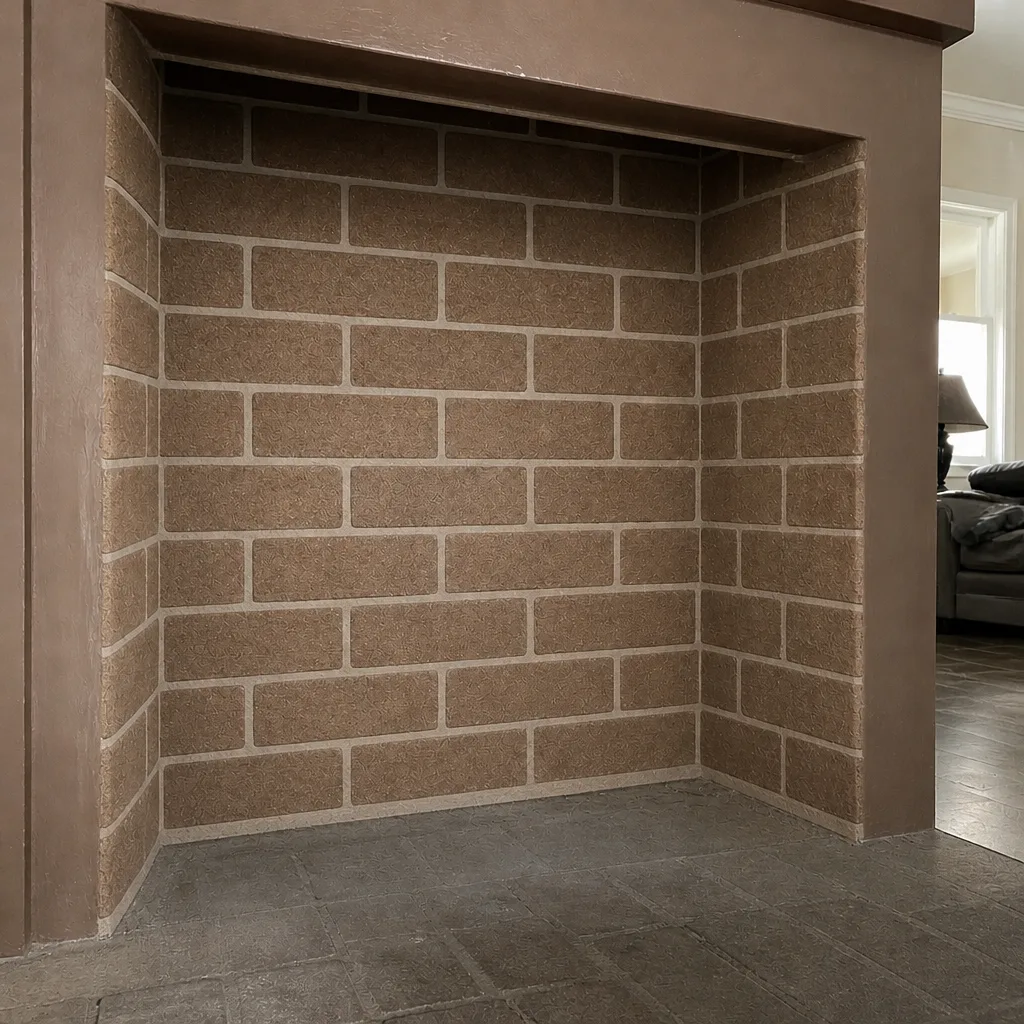
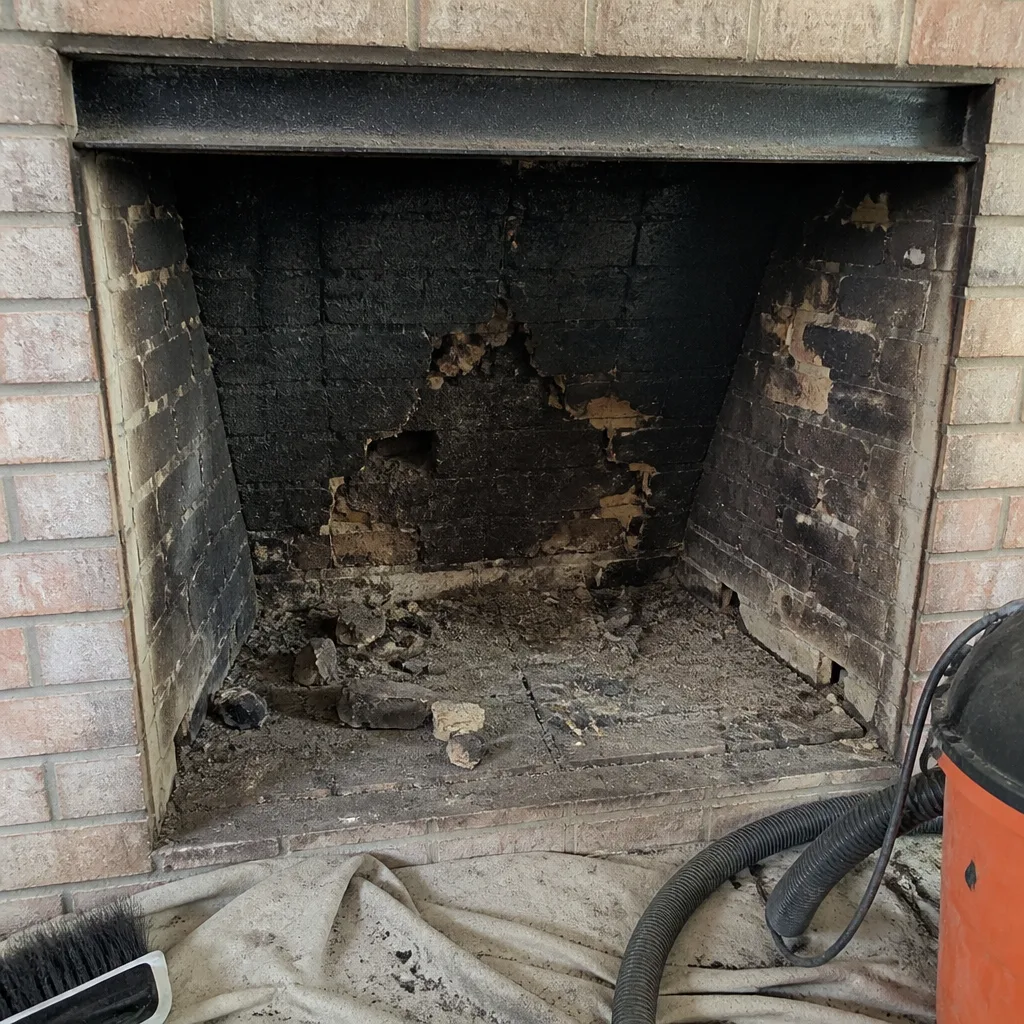
See the difference
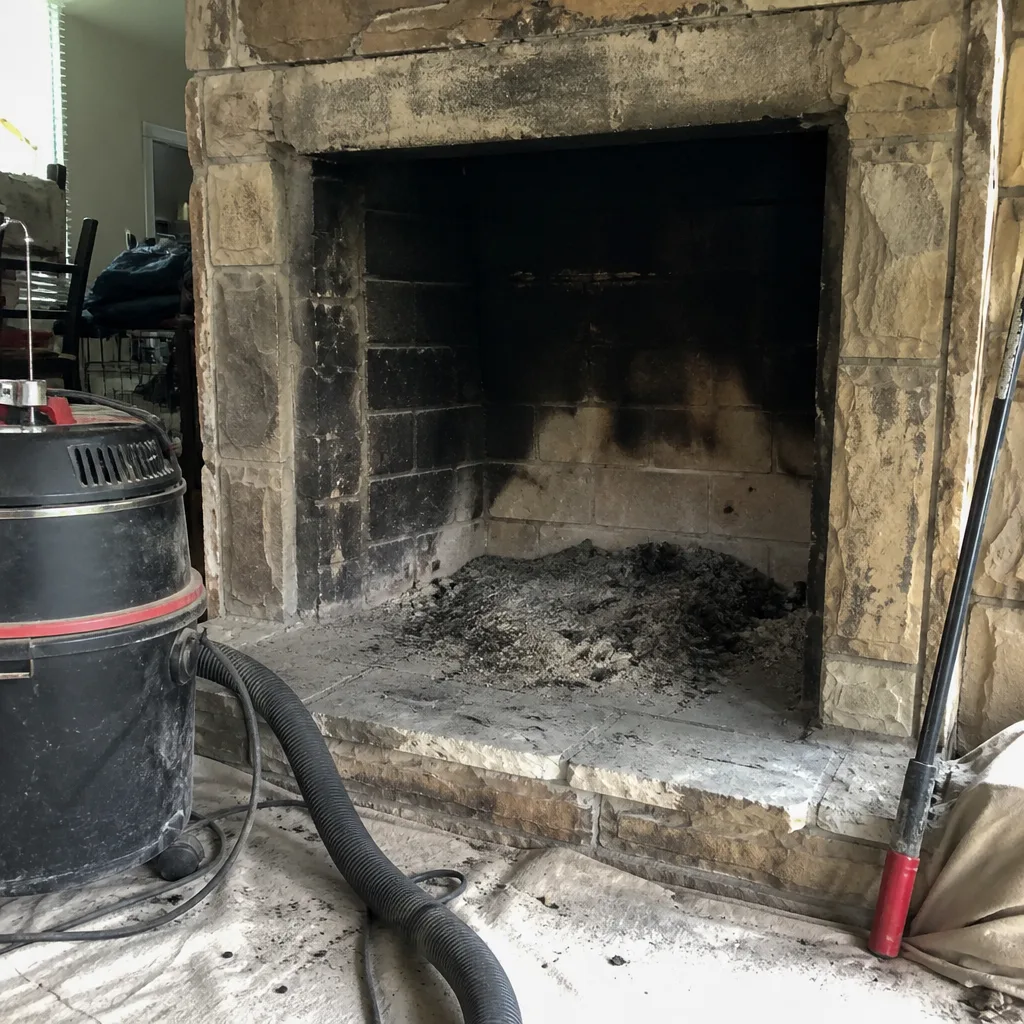 Before
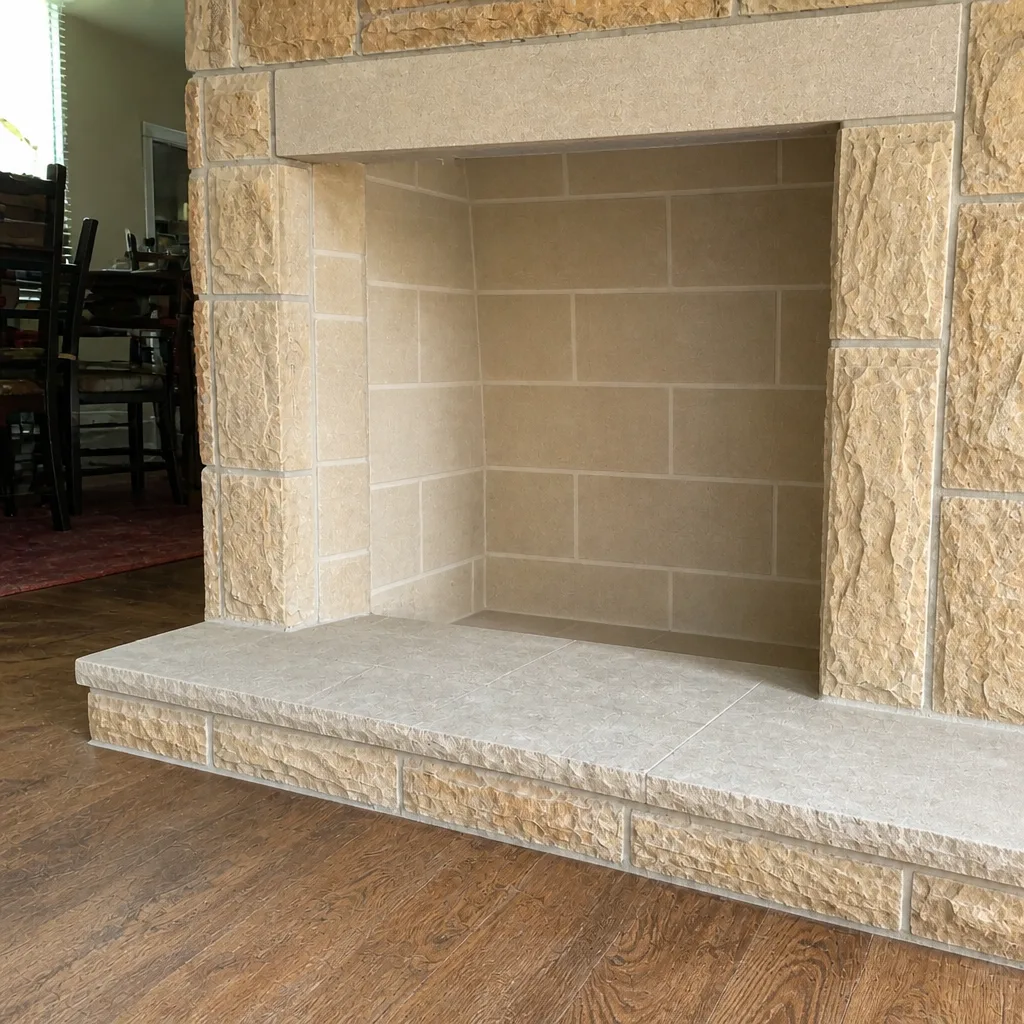 After
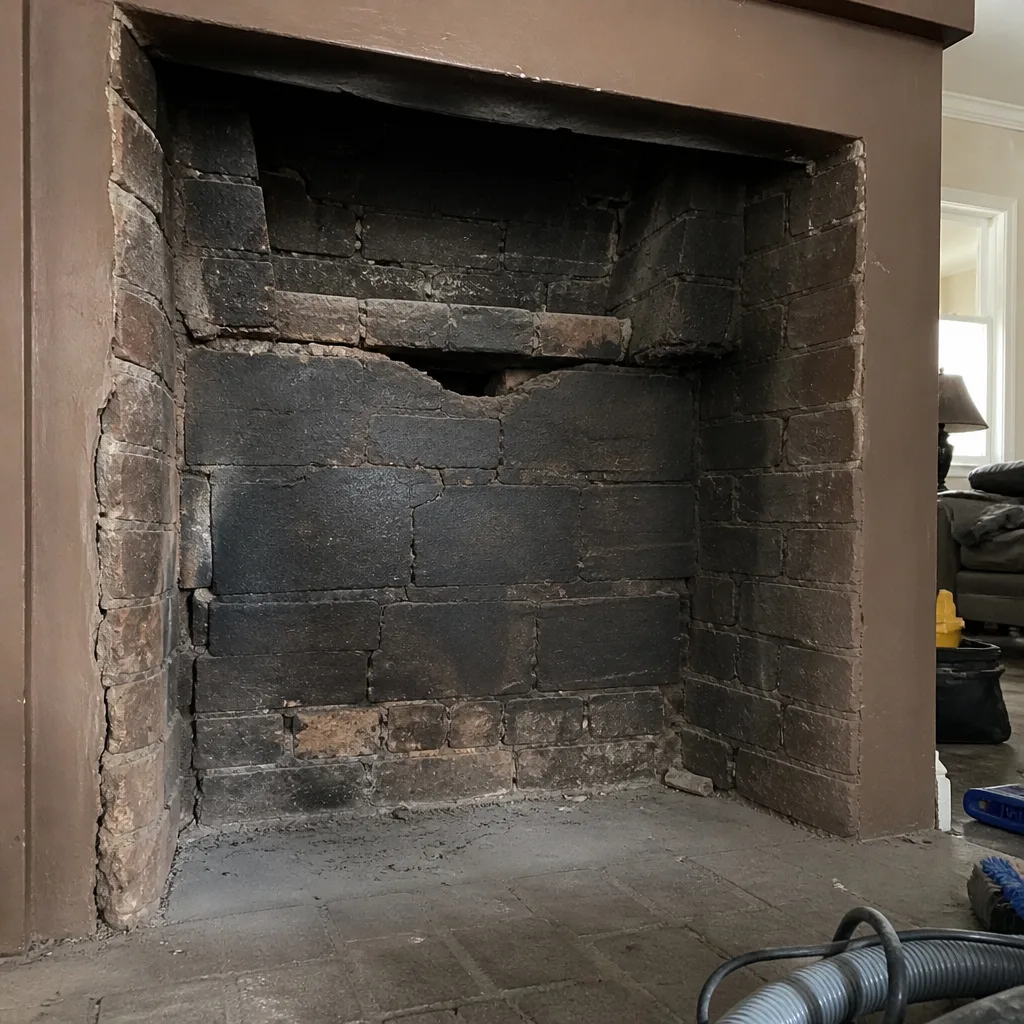 Before
 After
 Before
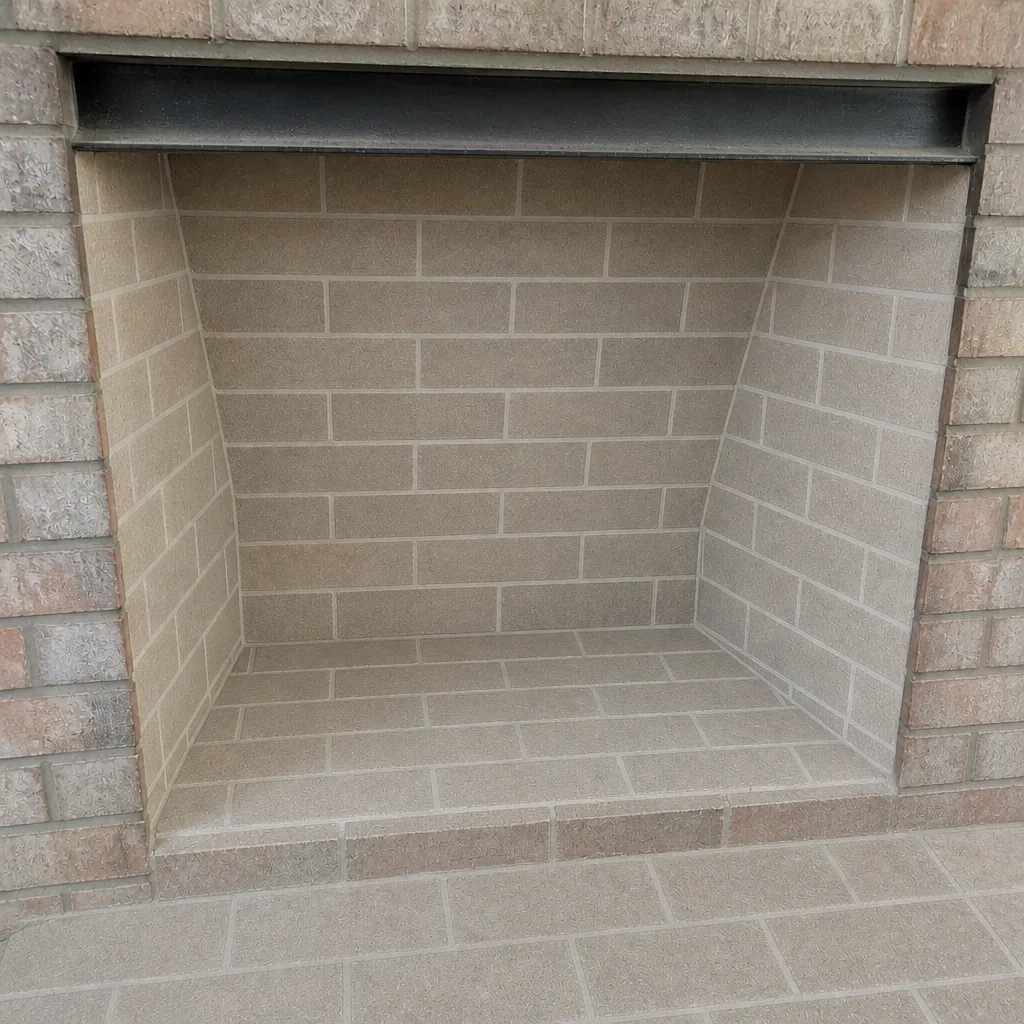 After
When to Call a Professional
Call a professional if any of the following applies to your home. You have a pre-1970s house with an original or uncertain chimney liner. You’ve recently moved into a new home and don’t know the chimney’s condition. Your chimney has visible cracks in the firebox or an offset liner. Your fireplace has smoke entering the room instead of drafting up. You smell creosote or soot in the house when the fireplace is in use. You haven’t had the chimney inspected in the past few years. Or you’ve done your own cleaning and want to know whether it was enough. In each of these cases, the inspection is the value, and the cleaning comes along with it.
We answer 24/7, and a call outside dispatch hours is booked into the next opening, Sunday through Friday, 7am to 7pm. Our technicians have up to 14 years of experience and can walk you through what the inspection will cover before you schedule. Whether or not that inspection leads to repair work, you’ll have documentation of your chimney’s actual condition, which is the thing that DIY cleaning can’t give you. If you’re not sure whether your situation calls for a visit, call and we’ll help you decide.
Frequently Asked Questions
A typical residential chimney sweep in New Orleans generally falls in the range of roughly $150 to $350, though the written estimate sets the final price once we know your chimney’s specifics. Repair work, liner installation, and flue resurfacing are quoted separately after inspection. The estimate is free. Call (833) 946-8575 for an exact quote.
Cleaning and inspecting are different things, and the inspection is the part that can’t be done DIY. You can remove soot yourself, but you cannot verify whether the liner is intact, whether the flue is offset, or whether the chimney is drafting safely. In pre-1970s New Orleans homes, those are exactly the problems most likely to exist. Call (833) 946-8575 to schedule an inspection.
Bottom-up cleaning is possible with the right rods and brushes, but it doesn’t solve the problem that makes DIY risky. You still can’t see the whole flue without a video camera, and you still don’t know whether the liner is sound. Bottom-up is also messy without proper containment. It isn’t a safe way to accomplish what a professional inspection accomplishes. Call (833) 946-8575 to book an inspection.
A chimney that’s used regularly should be inspected and swept as needed, generally once a year for a fireplace in regular use. If you’ve just moved into a home and don’t know its history, have it inspected first, then schedule based on findings. Moderate use with a sound flue may stretch further between cleanings, but the annual inspection is the baseline. Call (833) 946-8575 to book a free estimate.
Creosote and soot accumulate in the flue, and creosote is flammable. Under the right conditions, it can ignite and cause a chimney fire. Carbon monoxide is the other risk: a blocked or poorly drafting flue can allow combustion gases to enter the home instead of venting outside. Neither is a reason to panic, but both are reasons to schedule the sweep. Call (833) 946-8575 to book.
In our case, yes. Chimney repair is an in-house service, so if the inspection finds a cracked liner or a structural issue, we quote and perform the repair. HeatShield ceramic resurfacing can restore a deteriorating masonry flue in cases where full relining isn’t necessary, and DuraFlex flexible liners cover cases where it is. You don’t schedule a second contractor. Call (833) 946-8575 to discuss what your chimney needs.
The Bottom Line
You can safely handle ash removal, firebox debris, damper checks, and visual inspection from inside the firebox and from the ground. What you can’t do safely or reliably is flue cleaning from the top, liner diagnosis, or draft verification. In older New Orleans homes, hidden liner defects are common enough that surface cleaning without video inspection provides very little real information about safety. The professional visit exists because the diagnostic tools and the trained eye do things DIY can’t: they tell you whether your chimney is safe, and they document it. If you’re going to spend money on chimney care, spend it on the inspection that answers the real question.
Contact
At New Orleans Chimney Cleaning, we don’t just clean. We assess, repair, and restore, using professional-grade materials from brands like HeatShield, DuraFlex, Olympia Chimney, Famco, and Copperfield. One call can cover your fireplace flue and your dryer vent, with a written estimate agreed before any work begins. Call (833) 946-8575 for a free estimate. We answer 24/7. Fast dispatch from 7am to 7pm, Sunday through Friday. If you want to start with a look at what we do, visit New Orleans Chimney Cleaning.
Written by the team at New Orleans Chimney Cleaning.