
Last updated November 15, 2026
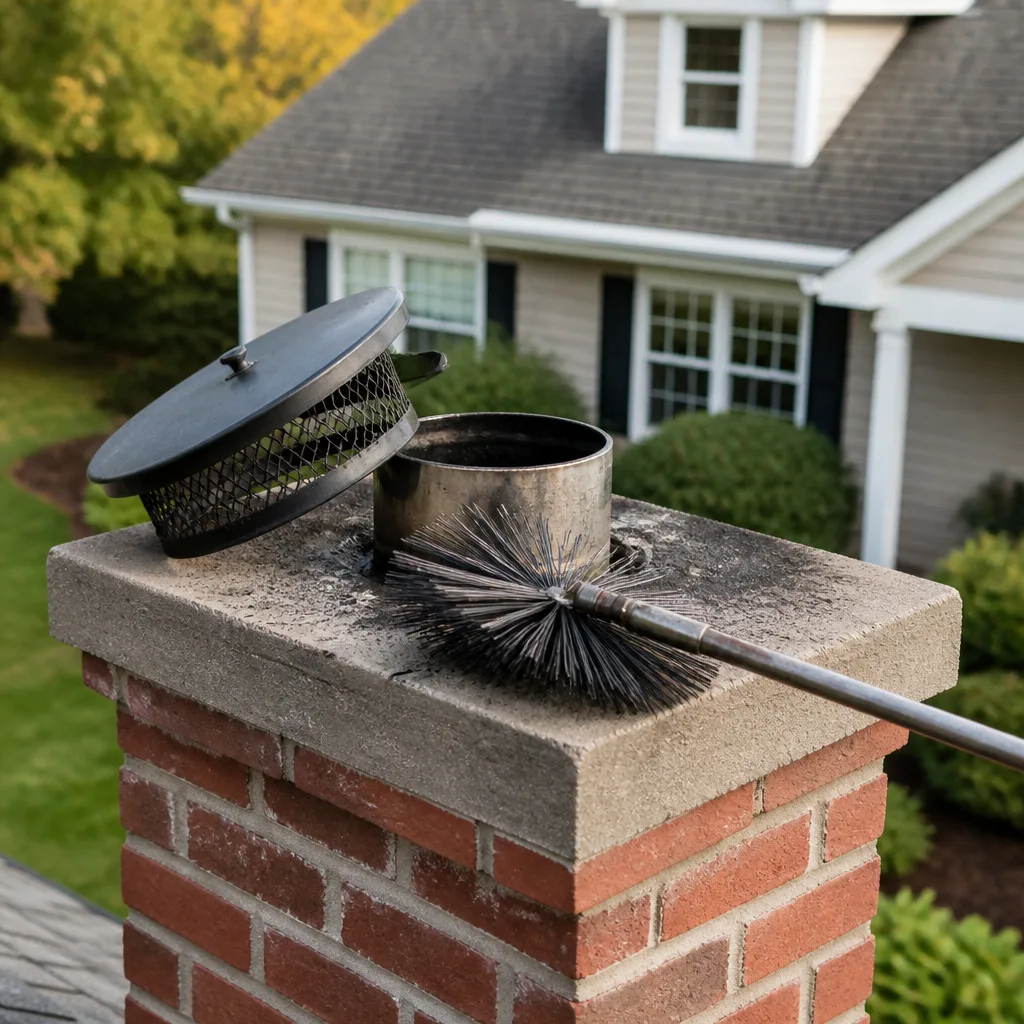 Sweep & inspection
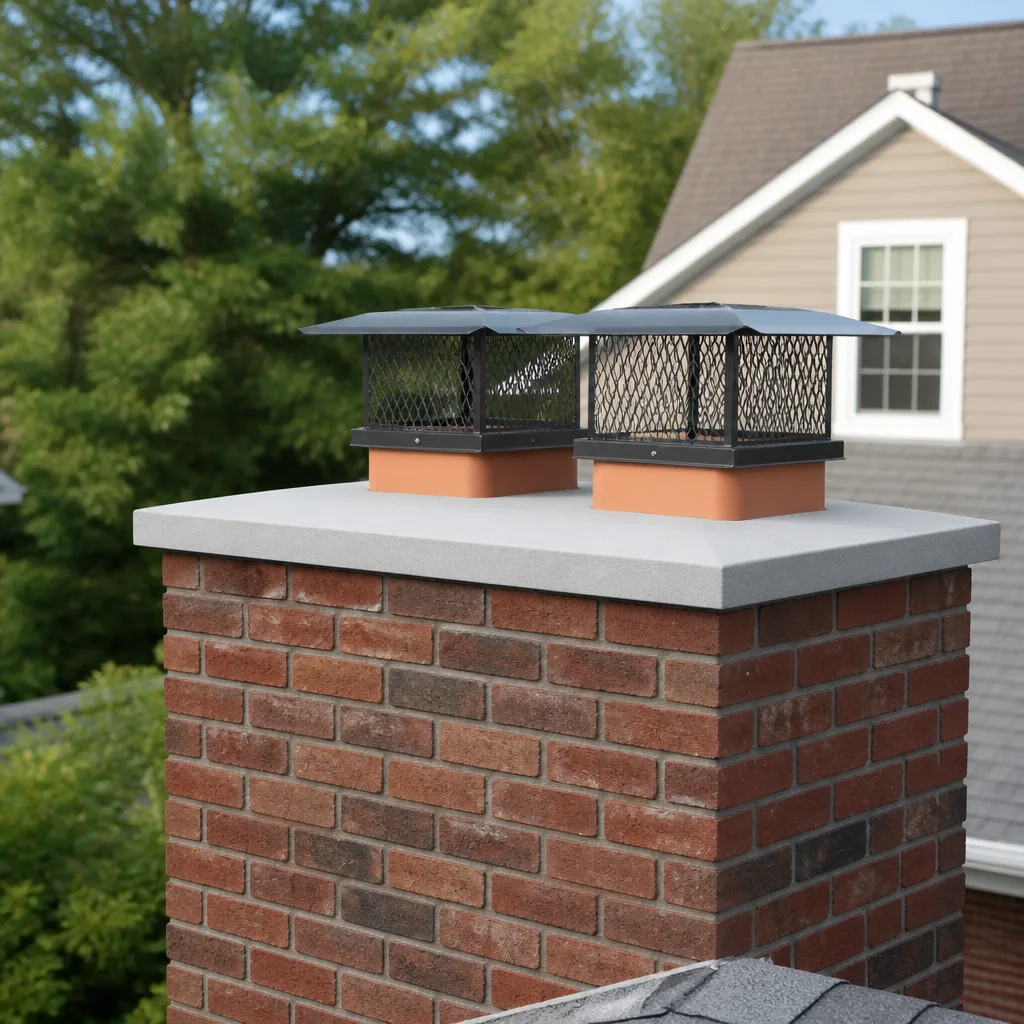 Caps & crowns
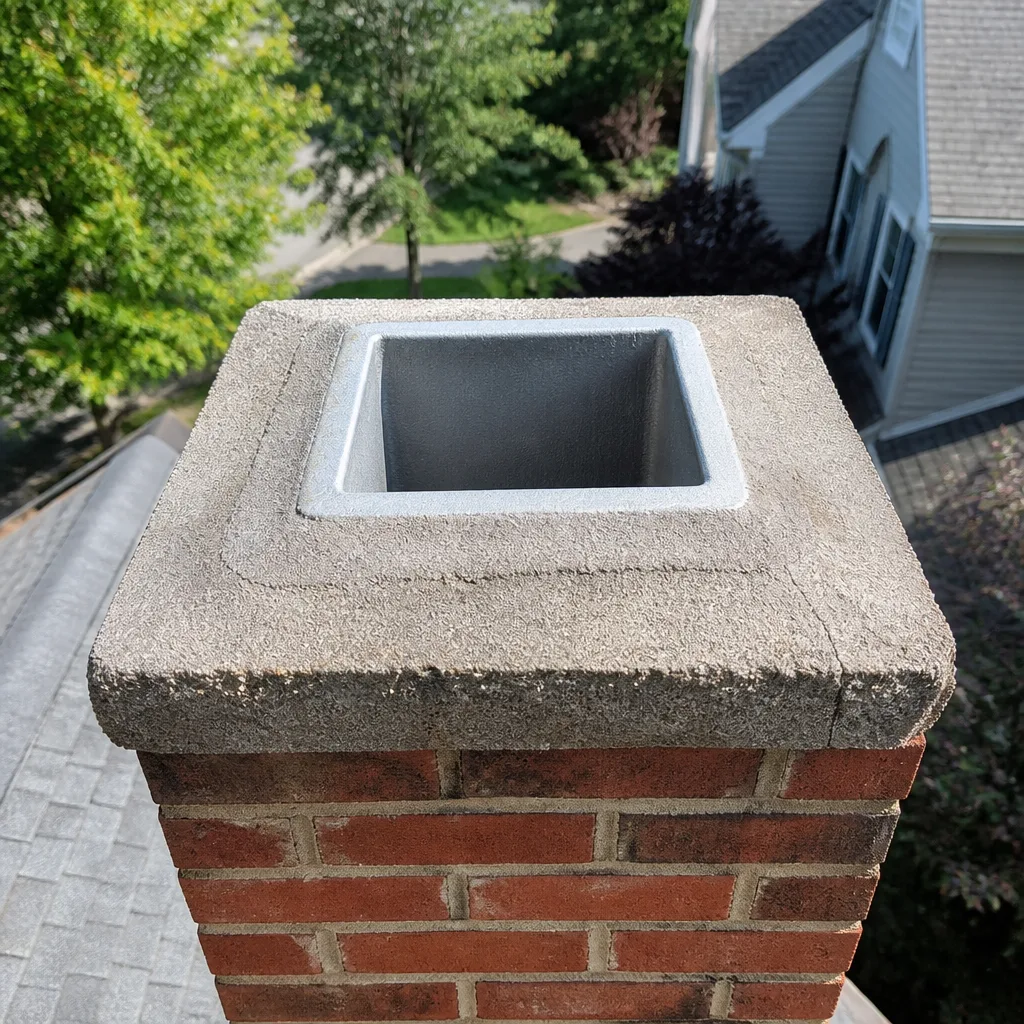 Flue relining
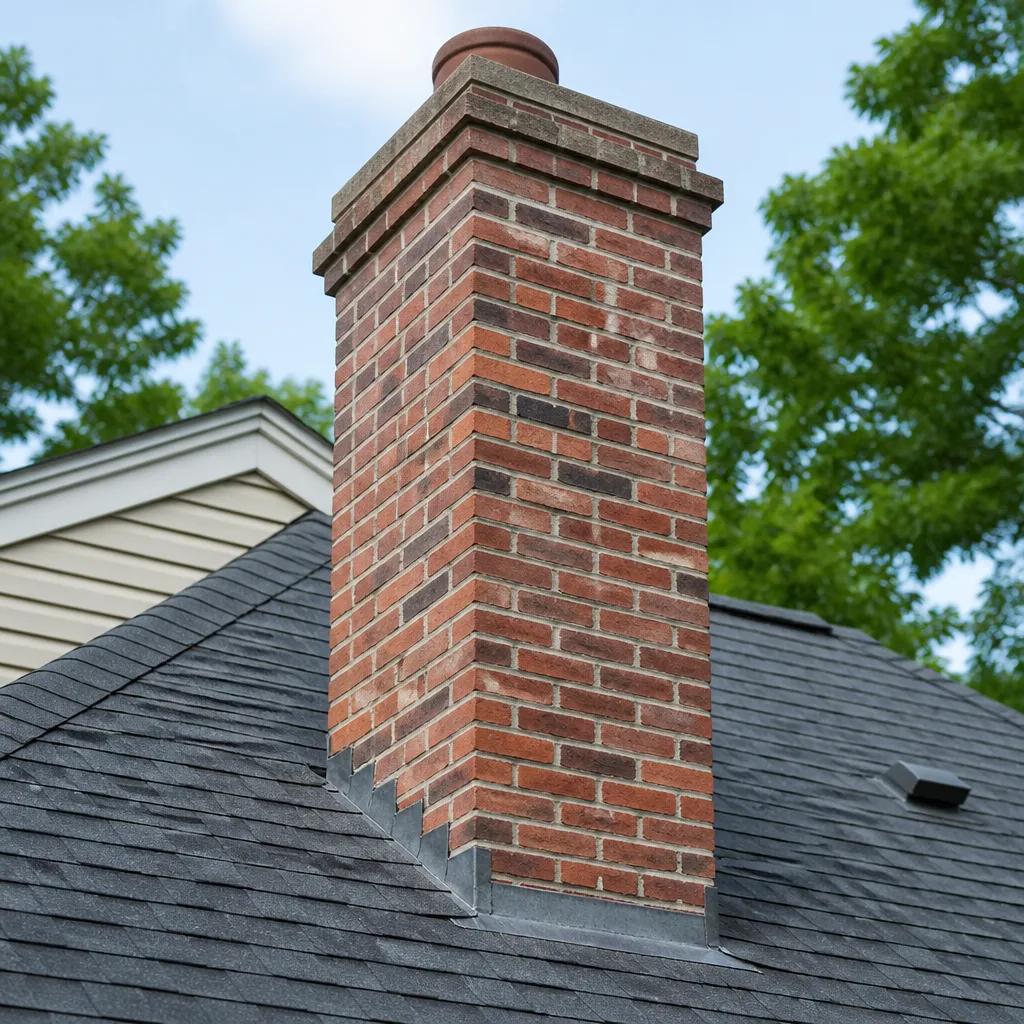 Masonry repair
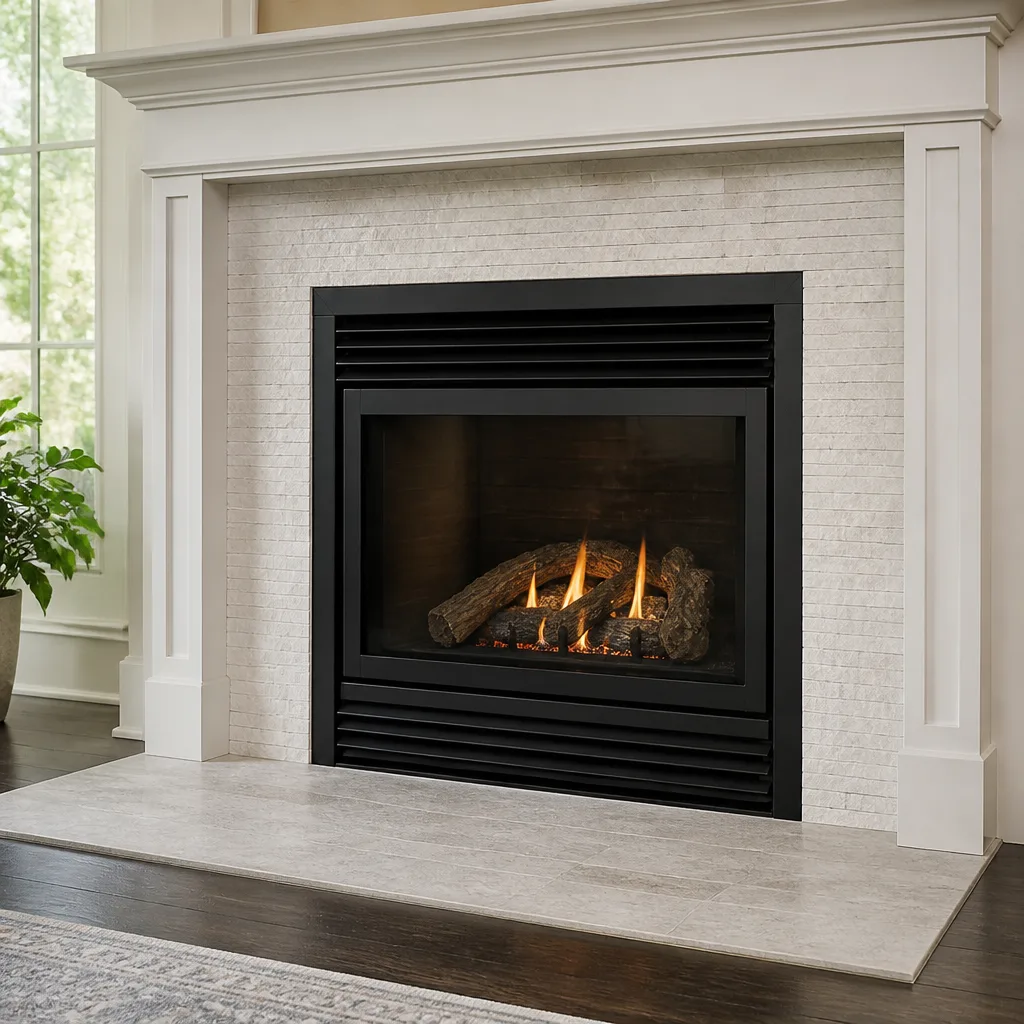 Gas fireplace service
Level 1 sweep and inspection to the NFPA 211 annual standard - flue, crown, cap, and flashing checked and photographed
Chimney sweep logs do not sweep chimneys. They loosen some creosote - which then falls where a brush and vacuum still have to collect it.
Choosing the Right Chimney Cleaning Brand: A Buyer’s Guide for New Orleans
Most homeowners assume chimney products are interchangeable. A brush is a brush, a liner is a liner, and the label on the box doesn’t change how a flue performs. That assumption costs people real money here. The mortar mix that holds up for 20 years in a Denver chimney can fail in under five in New Orleans, because the products were formulated for a different climate and the contractor installed them anyway. Our humidity, our temperature swings, and the stop-and-start way many of us use a fireplace add up to conditions that attack masonry and metal differently than most of the country. This guide explains what to look for in cleaning products, liner materials, crown coatings, and caps so you can ask better questions before you book a New Orleans Chimney Cleaning professional.
Quick Answer
The right chimney products for New Orleans are those rated for humid, subtropical conditions with high temperature cycling and low-to-moderate fireplace use: stainless steel liners in the correct alloy grade, flexible liner systems where the flue is offset, and professional-grade crown and waterproofing coatings. Cleaning products themselves matter less than the tools and materials a contractor brings after the sweep. What separates a good call from a bad one is whether the contractor can tell you what they’re using and why it suits this climate.
Styles & brands we work with
- Sweep & inspection
- Caps & crowns
- Flue relining
- Masonry repair
- Gas fireplace service
Table of Contents
- Why New Orleans Climate Changes What Works
- Cleaning Products: Heavy-Use vs. Low-Use Chimneys
- What to Look For in Liner Materials for Humid Climates
- Flue Resurfacing: The Repair Most Sweeps Can’t Offer
- Crown Coating and Waterproofing: Where Cheap Products Fail
- Chimney Caps: Material, Wind Rating, and Pest Exclusion
- How to Ask a Contractor About Materials
- Common Mistakes to Avoid
- When to Call a Professional
Why New Orleans Climate Changes What Works
Chimney products are tested against climate assumptions, and those assumptions don’t match New Orleans. The two forces that break down chimney materials fastest here aren’t fire and they aren’t cold. They’re moisture and thermal cycling, and both hit harder in this city than in most of the country.
New Orleans averages high humidity across most of the year. Masonry is porous, and porous material holds water. When a flue is damp for weeks or months, the mortar between bricks softens, the brick face spalls, and the crown – that concrete cap on top of the chimney – starts cracking. Water gets in, sits, and expands when temperatures rise. That cycle repeats more often than it does in dry climates or in climates with a long hard freeze that at least kills off some of the organic growth.
The second factor is how we actually use fireplaces here. Winters are mild. Many New Orleans households light a fire a few dozen times a season, not every night from October to April. Low-use fireplaces create their own problem: long idle periods give moisture and creosote time to settle and harden, and the flue stays cold and damp between fires. Creosote that stays in a humid flue glazes over and becomes harder to remove than the fluffy soot a heavy-use chimney produces.
Temperature swings matter too. New Orleans can run warm afternoons and cool nights in the same week, and that daily expansion and contraction works on every seam, joint, and metal-to-masonry connection in a chimney. Products engineered for a stable climate aren’t tested against that pattern. Our technicians have up to 14 years of experience and have watched the difference play out across homes in neighborhoods like Mid-City, Gentilly, and the Garden District, where the housing stock is old and the chimneys have seen decades of this cycle. That’s why the materials question matters more here than in most markets.
Cleaning Products: Heavy-Use vs. Low-Use Chimneys
Chimney cleaning products fall into two broad groups, and the group that fits a New Orleans fireplace is the one most sweep services don’t emphasize. Matching the product to the actual use pattern is the difference between a clean flue and a flue that’s clean on the surface and glazed underneath.
Heavy-use chimneys produce a lot of fresh creosote and soot. Cleaning them is mostly mechanical: polypropylene rods, appropriate brush heads, and standard soot removal. The deposits are fresh, so they come off with routine sweeping. Low-use chimneys produce less material, but it sits longer. That means:
- Glazed creosote forms when deposits are exposed to moisture and repeated low-level heat. It bonds to the flue wall and needs chemical treatment before mechanical removal will work.
- Chemical creosote removers designed to soften glazed deposits are a different product from standard soot solvents. Ask whether your sweep carries them, and ask how they decide when to use them.
- Soot-eating sweep compounds are sometimes used after cleaning to raise the combustion point of remaining deposits. On a low-use New Orleans fireplace, this can be the extra step that makes a difference.
- Rods and brush type should be matched to the flue material. A stiff metal brush on a soft clay tile can score the surface; a nylon brush on a hardened creosote layer does very little.
Our approach to a chimney sweep includes camera inspection, so we can see what’s actually on the flue wall before we choose the tools. A camera tells you immediately whether the job is fresh soot or a glazed layer that needs chemical treatment first. That’s the difference between a sweep that works and a sweep that only looks like it worked.
What to Look For in Liner Materials for Humid Climates
Liner materials sold for general use aren’t all rated for a humid climate, and in New Orleans you want to see that rating on the product. Stainless steel is the industry standard for relining, but the alloy grade matters, and so does the liner construction.
For wood-burning appliances, the usual choices are a 304 or 316L stainless alloy. The 316L grade has more molybdenum, which improves corrosion resistance, and that’s the grade to ask about in a humid climate where a liner can sit damp for weeks. A flexible liner handles flue offsets and irregular clay tile better than rigid sections, which matters in older New Orleans homes where the interior flue shape isn’t a straight, perfect cylinder.
Product choice signals a lot here. DuraFlex flexible liner systems are made for this kind of installation, and we use them because they come in the graded alloys and the flexible construction that older flues require. Olympia Chimney components are another professional-tier option we install where the flue shape or appliance type calls for it.
Two engineering specs matter more in this climate than most homeowners realize:
- Thermal expansion rating. Stainless steel expands and contracts with heating and cooling. A liner rated for wide temperature swings holds its seams better in a New Orleans chimney that heats up fast and then cools damp overnight.
- Corrosion resistance at the flue top. The section of liner at the top of the chimney is exposed to the most moisture and the most temperature variation. Whether it can handle repeated wet-dry cycles is where cheap liner products fail first.
A liner that isn’t rated for a humid install might look fine for a season and then start showing corrosion at the top. That’s why we want to see the spec sheet, not just the invoice.
Flue Resurfacing: The Repair Most Sweeps Can’t Offer
A deteriorating masonry flue often doesn’t need a full liner replacement. It needs resurfacing, and that’s the repair most sweep-only contractors can’t offer. HeatShield is a ceramic flue resurfacing system applied to the interior of the flue to restore a cracked or gapped clay tile surface. It’s an EPA-recognized repair method, and it isn’t something you’ll find in a hardware store aisle.
Here’s why resurfacing belongs in this guide. Resurfacing products are engineered for the specific conditions of a masonry flue, and the formulation and application matter more in a humid climate. A flue that has been repeatedly damp and has small cracks in the clay tile can often be brought back to a serviceable condition with resurfacing rather than a full reline. In many homes, that saves the cost of the liner and the disruption of the install.
What separates a contractor who can do this from one who can’t is whether they carry the product and know when it qualifies. The application process involves a foam applicator that spreads a ceramic mixture across the interior of the flue, filling cracks and sealing the surface. It’s not a DIY job – it’s not even a generalist contractor job – and if the flue is too far gone, resurfacing won’t work and a liner is the answer.
That’s the reason we keep HeatShield in our material lineup alongside DuraFlex. Being able to assess the flue and offer the right repair rather than default to the most expensive option is the whole point of an in-house repair capability. It also means a New Orleans homeowner doesn’t have to schedule a second contractor to come behind the sweep.
If you’re told you need a full reline, ask whether resurfacing was considered and why it doesn’t apply. A contractor who has the product can answer that in a sentence. One who doesn’t will change the subject.
Crown Coating and Waterproofing: Where Cheap Products Fail
The crown is the concrete cap at the top of the chimney. It’s also where most water damage starts, and the product used on it determines whether the repair lasts two seasons or ten. Professional-grade crown coatings and waterproofing products are formulated differently than what a hardware store sells, and in New Orleans that difference shows up fast.
Hardware store concrete patches and acrylic waterproofers are designed for general masonry. They aren’t formulated to flex with a chimney crown, to hold up under constant humidity, or to survive the temperature swings this climate throws at them. A cheap crown patch can look great on install day and crack by the end of the first rainy season. By the second, water is back in the flue and the repair was wasted money.
Professional-grade crown coats and masonry waterproofing products – the kind Gelco manufactures, for example – are made for this specific application. They flex with the crown, they’re vapor-permeable so moisture trapped inside the masonry can escape, and they carry the UV and moisture resistance a top-of-chimney product needs in a Louisiana climate.
Two things to check on any crown or waterproofing quote:
- Is the existing crown removed or coated over? A cracked, loose crown should be rebuilt or replaced, not painted over. A coating over a failing crown just traps the problem.
- Is the product vapor-permeable? A waterproof sealer that blocks vapor can trap moisture inside the brick, which is worse than no sealer at all in a humid climate.
We use professional-tier products on every crown and waterproofing job because we’ve been called back to fix cheap work. The material cost difference is small compared to the labor to redo the job.
Chimney Caps: Material, Wind Rating, and Pest Exclusion
Chimney caps in New Orleans get tested by more than rain. They get wind, they get humidity, and they get a subtropical pest population that wants in. A cap that’s undersized, underbuilt, or fitted with the wrong mesh is a problem waiting to happen.
The right cap for this climate has three things going for it:
- Corrosion-resistant material. Stainless steel or a coated steel designed for outdoor use. Galvanized caps rust through faster in high humidity than most homeowners expect.
- Wind rating appropriate to the exposure. Roof-mounted caps take more wind load than caps on a chimney passing through a lower roofline. A cap that’s too light can be lifted or rattled loose in a storm, and a loose cap can allow water in or leave the flue open.
- Mesh size for pest exclusion. A 3/4-inch mesh is the usual standard for excluding birds, squirrels, and other wildlife while allowing exhaust to flow. Smaller mesh can clog with soot and reduce draft; larger mesh lets small animals through.
Caps are one of the areas where brand choice tells you something about the contractor. Olympia Chimney and Famco make components we install because they’re manufactured for these conditions and built with the material specs caps should have. A cheap stamped cap from a discount retailer is the single most common cause of a water-damaged flue we see in this city.
If you’re having your chimney swept, have the cap inspected at the same time. It’s the highest-leverage item on the whole chimney system for the cost.
How to Ask a Contractor About Materials
The easiest way to find out whether a contractor has thought about your climate is to ask what materials they’re using and why. The answer tells you almost everything. Here’s how to structure the conversation.
Start with a direct question: “What products are you using for the sweep, the liner, and the crown, and why those?” A contractor who has thought about New Orleans conditions will answer with specifics. They’ll name product families and grades, and they’ll connect them to humidity, to temperature cycling, or to the flue condition they found on inspection.
Follow up with these questions:
- “What alloy grade is the liner, and is it rated for a humid install?” The answer should mention 304 or 316L stainless, and ideally why one was chosen over the other.
- “Are you familiar with HeatShield, and would my flue qualify for resurfacing instead of a full reline?” A contractor who carries the product can talk about it; one who doesn’t will deflect.
- “What crown coat or waterproofing product will you use, and is it vapor-permeable?” Vapor permeability is the answer you want to hear.
- “Can I see the camera inspection and the material spec before you install?” A contractor with nothing to hide will say yes.
- “Who does the repair?” If the answer is another company, the diagnostic and repair are split, which invites a middleman markup.
What signals a generic spec versus a thoughtful one? Generic answers use words like “standard” and “the usual.” Thoughtful answers name the product and the condition. If a contractor tells you what brand and grade they’re using and why it suits a humid climate, they’re doing this work the right way. If they tell you it doesn’t matter, it does, and they aren’t the right call.
We answer these questions every week in New Orleans. It’s the normal conversation, not an unusual one.
Common Mistakes to Avoid
- Buying a liner on price alone. A low-cost liner is usually a lower alloy grade, and in this humidity it corrodes from the top down faster than a graded liner. The savings disappear in a few seasons.
- Waterproofing a chimney with a hardware store sealer. Non-breathable sealer traps moisture inside the masonry. In a climate with this much humidity, that can be worse than leaving the chimney unsealed.
- Assuming a sweep and a repair are always two contractors. They don’t need to be, and splitting the work usually means a second diagnostic fee and a middleman on the repair.
- Skipping the cap inspection. A missing or damaged cap is the most common entry point for water damage. Have it checked with every sweep.
- Accepting a full reline as the only option. If a contractor doesn’t carry resurfacing products, they can’t offer them. Ask whether resurfacing was considered before you agree to the more expensive repair.
- Not asking about the flue material vs. the brush type. A stiff brush on soft clay tile can cause damage that a nylon brush wouldn’t. It’s a small detail that tells you whether the sweep is thinking about your chimney specifically.
- Ignoring the dryer vent. A dryer vent is a fire hazard source like a fireplace flue, and it doesn’t get inspected by anyone unless you ask.
When to Call a Professional
Some chimney issues can wait for a scheduled sweep. Others can’t. Call a professional if you notice any of the following:
- A strong, smoky or ashy odor that lingers even when the fireplace is not in use.
- Visible cracks in the crown, the brick, or the interior firebox.
- A draft that’s noticeably weaker than it used to be.
- Any sign of water in the firebox or soot streaks on the brick around the flue opening.
- A cap that’s loose, missing, or visibly damaged.
- Lint buildup visible around the dryer vent termination or a dryer that takes two cycles to dry a load.
If you’re in New Orleans and you’ve noticed any of these, the safest next step is an inspection. New Orleans Chimney Cleaning offers free estimates in New Orleans – call (833) 946-8575. We answer 24/7. Fast dispatch from 7am to 7pm, Sunday through Friday. A camera inspection and photo report are included, and the estimate sets the price before any work starts.
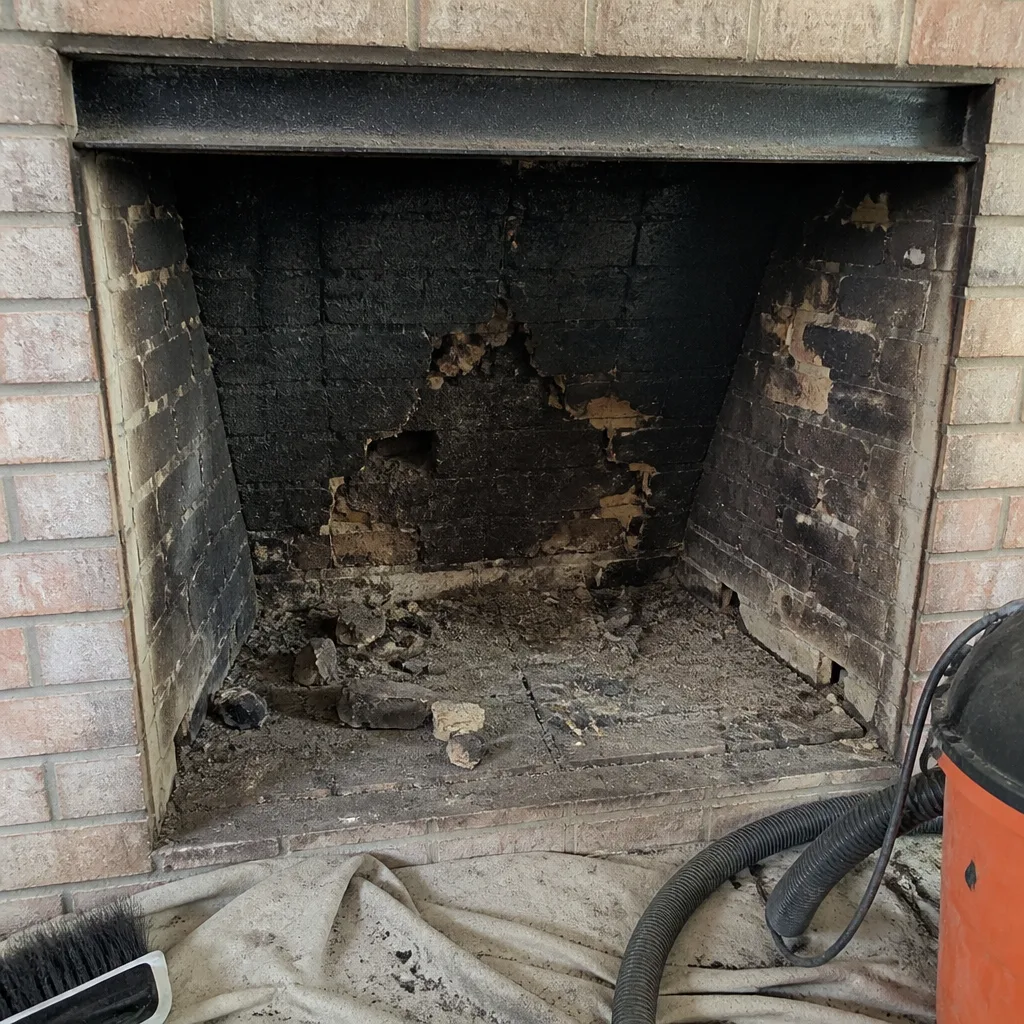
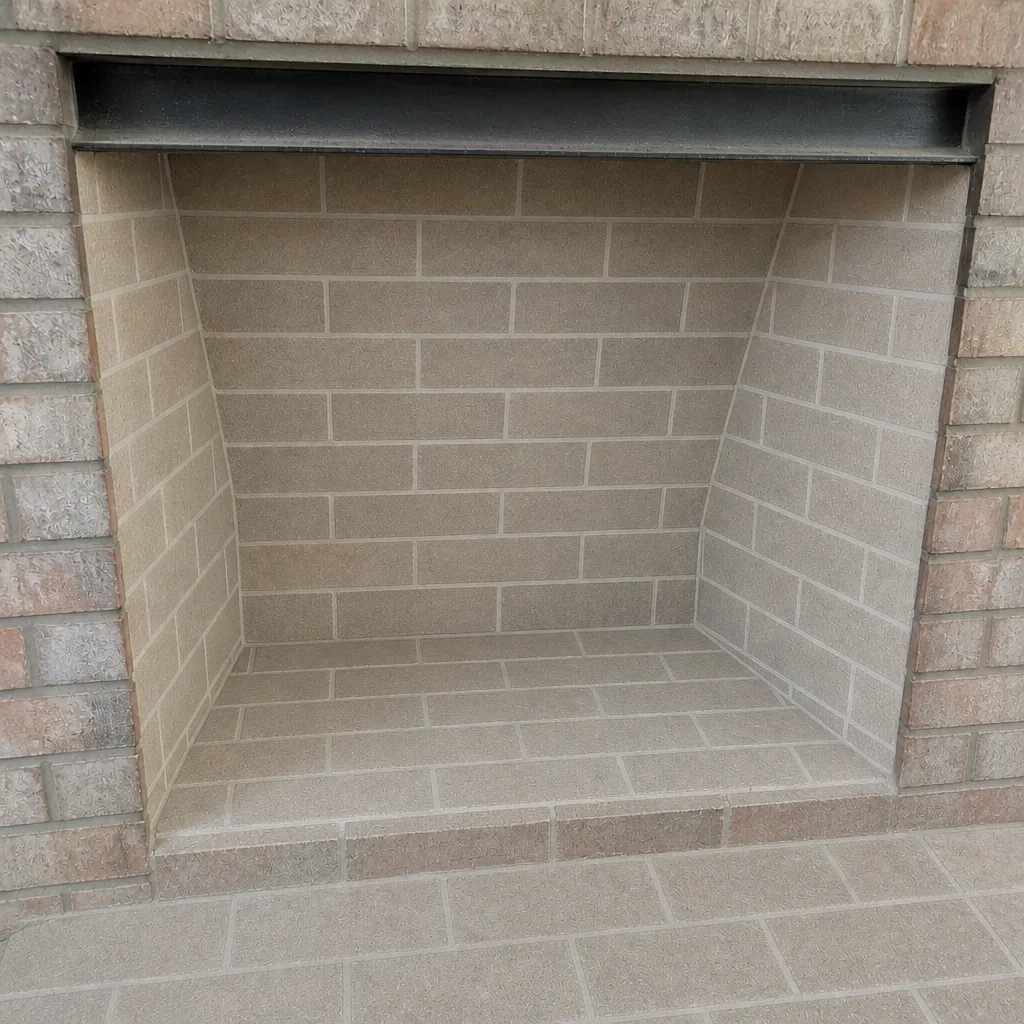
See the difference
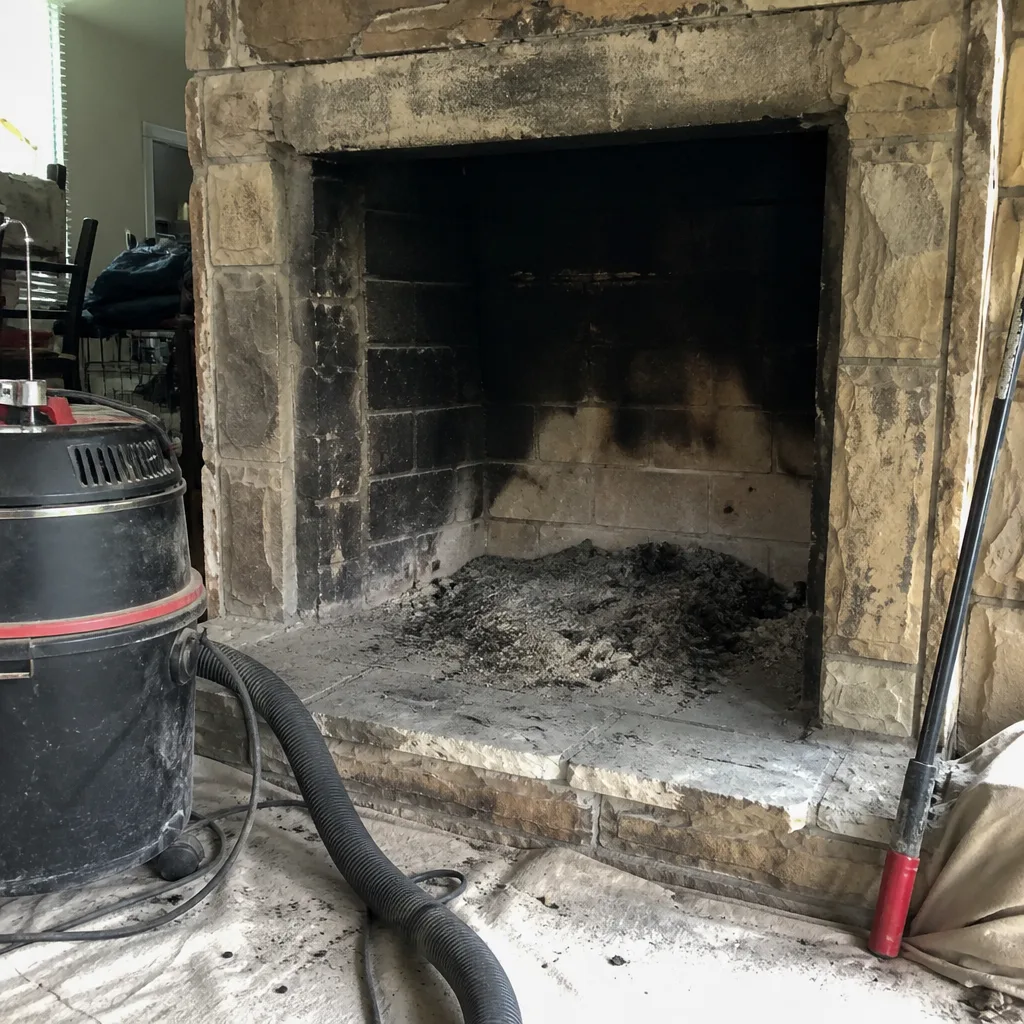 Before
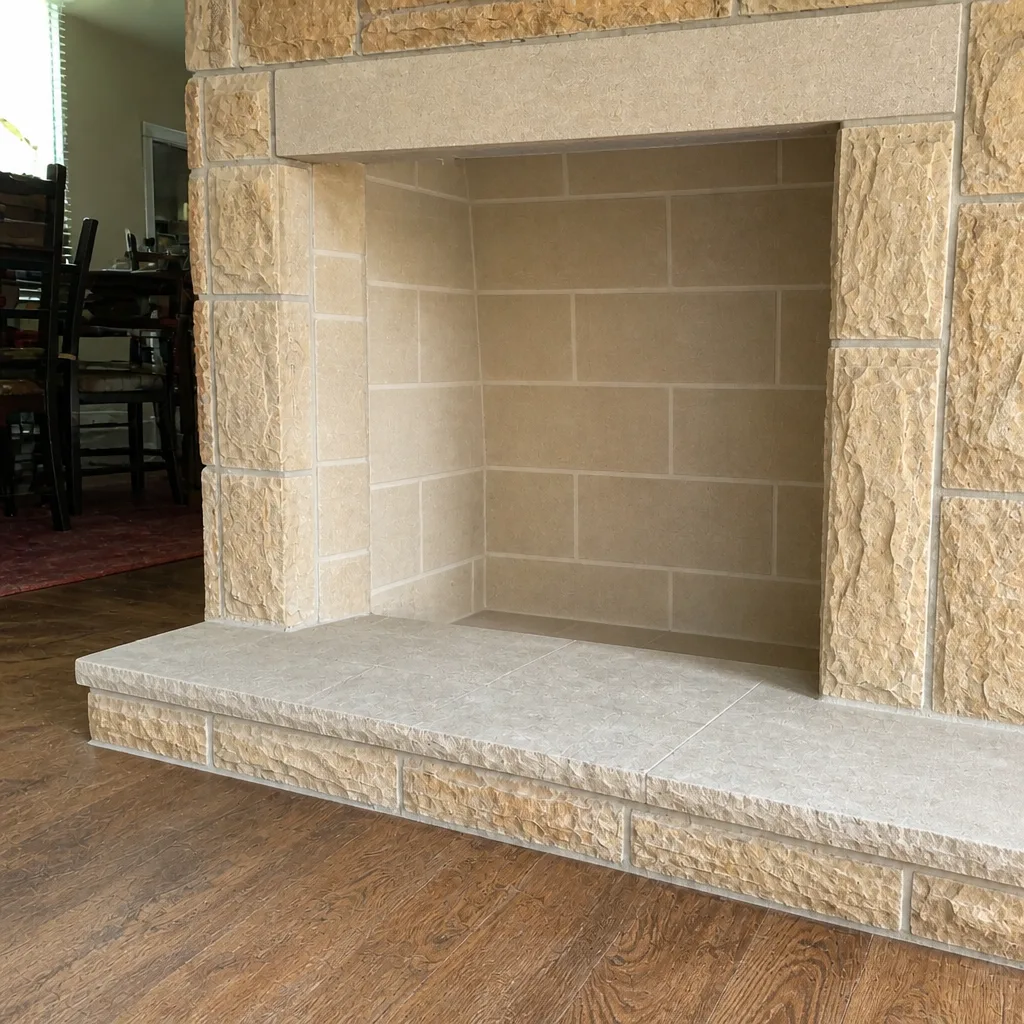 After
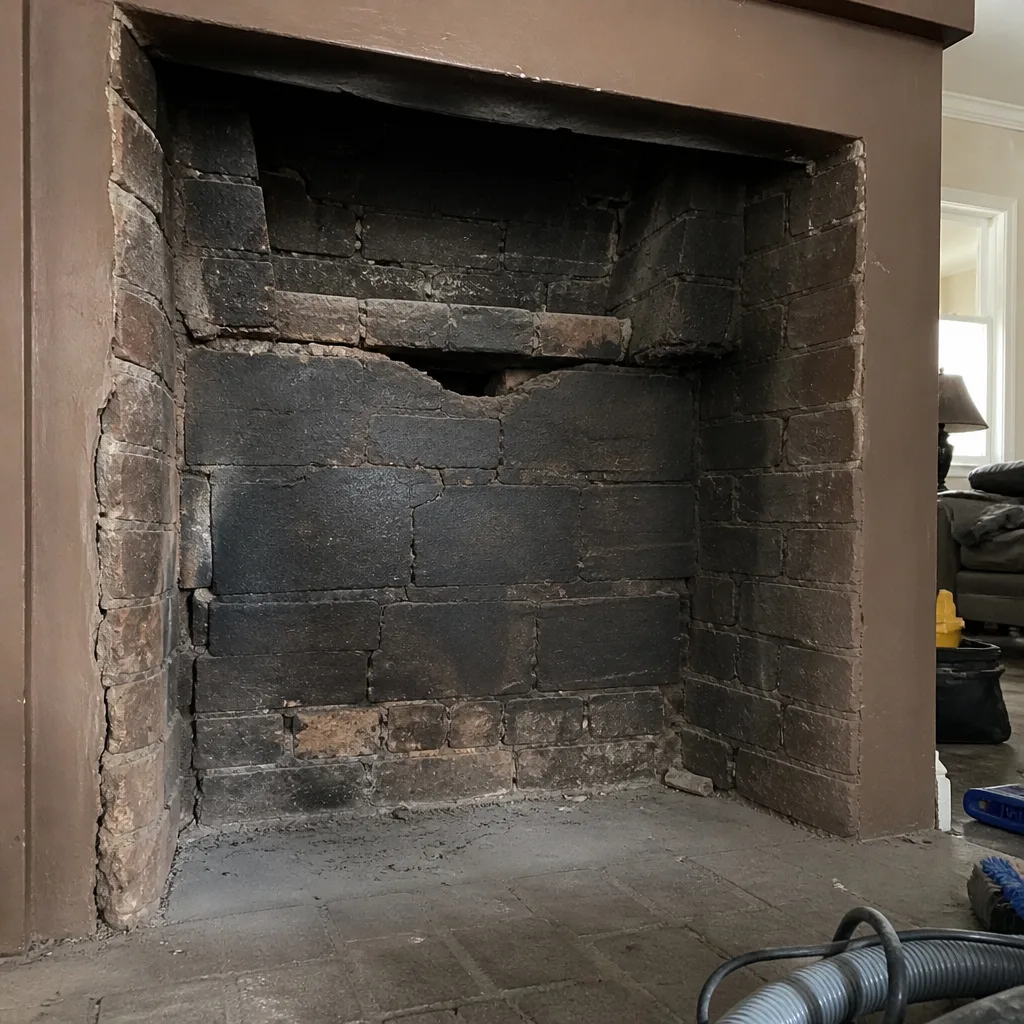 Before
 After
 Before
 After
Frequently Asked Questions
Look for contractors who stock professional-tier brand families rather than general retail products: DuraFlex for flexible liner systems, HeatShield for ceramic flue resurfacing, Gelco for crown and masonry products, Olympia Chimney and Famco for caps and venting components, and Copperfield for liners and related parts. The brand names matter less than what they tell you – a contractor carrying these products has access to the graded alloys, flex constructions, and vapor-permeable coatings a humid climate requires. Call (833) 946-8575 for a free estimate and ask what materials we’d use on your chimney.
It depends on the condition of the flue. A flue with dark cracks, gaps in the clay tile, or deteriorated mortar can often be restored with HeatShield resurfacing rather than a full liner. A flue that’s too far gone, or one serving a high-efficiency appliance, usually needs a liner. The only way to know is a camera inspection. We can walk you through which repair applies and why. Call (833) 946-8575 for a free estimate – the camera inspection and photo report are included.
If you burn wood regularly, an annual sweep is the general standard. If you use your fireplace only a few times a season, you can often go longer between sweeps, but the deposits that form over idle months can harden into glazed creosote that takes chemical treatment to remove. A camera inspection at each sweep tells you what the flue actually looks like rather than what a schedule assumes. Call (833) 946-8575 for a free estimate; we’ll tell you plainly if the work can safely wait.
The cap is the first point of contact with wind, rain, and wildlife, and a cheap cap fails faster here than elsewhere. Stainless steel or coated steel cap components from brands like Olympia Chimney or Famco hold up under humidity and wind load better than stamped, galvanized retail caps. Mesh size matters too – 3/4-inch is standard for excluding wildlife without clogging. Have your cap checked with every sweep. Call (833) 946-8575 for a free estimate.
Flexible liners handle flue offsets and irregular clay tile better than rigid sections, which matters in older homes where the interior flue isn’t a straight cylinder. Rigid liners work well where the flue is straight and the install is straightforward. Both should be a rated stainless alloy – 304 or 316L – with 316L preferred for humid climates because of its higher molybdenum content. We can tell you which applies to your flue after a camera inspection. Call (833) 946-8575 for a free estimate.
Yes. Dryer vent cleaning is a dedicated service we offer alongside chimney sweeping, and it’s the most common fire hazard in a home that no one inspects unless you ask. A dryer vent with lint buildup restricts airflow, drives up drying times, and creates a genuine fire risk. We check the termination and airflow – not just lint removal – using Famco venting components where the vent needs correction. Call (833) 946-8575 for a free estimate.
The Bottom Line
The chimney products a contractor carries tell you more than their marketing does. In a New Orleans climate where humidity and temperature cycling attack masonry and metal differently than most of the country, the grade of the alloy, the vapor permeability of the coating, and the rating of the cap matter for how long a repair actually lasts. Look for a contractor who can name the products they’ll use, explain why those products suit this climate, and offer both resurfacing and full relining rather than pushing the most expensive option. One call can cover your fireplace flue and your dryer vent cleaning, and the camera inspection and photo report mean nothing gets recommended that you can’t see for yourself.
If you’re ready to schedule, call (833) 946-8575 for a free estimate. We answer 24/7. Fast dispatch from 7am to 7pm, Sunday through Friday. Closed Saturday.
Written by the team at New Orleans Chimney Cleaning.