
Last updated November 15, 2026
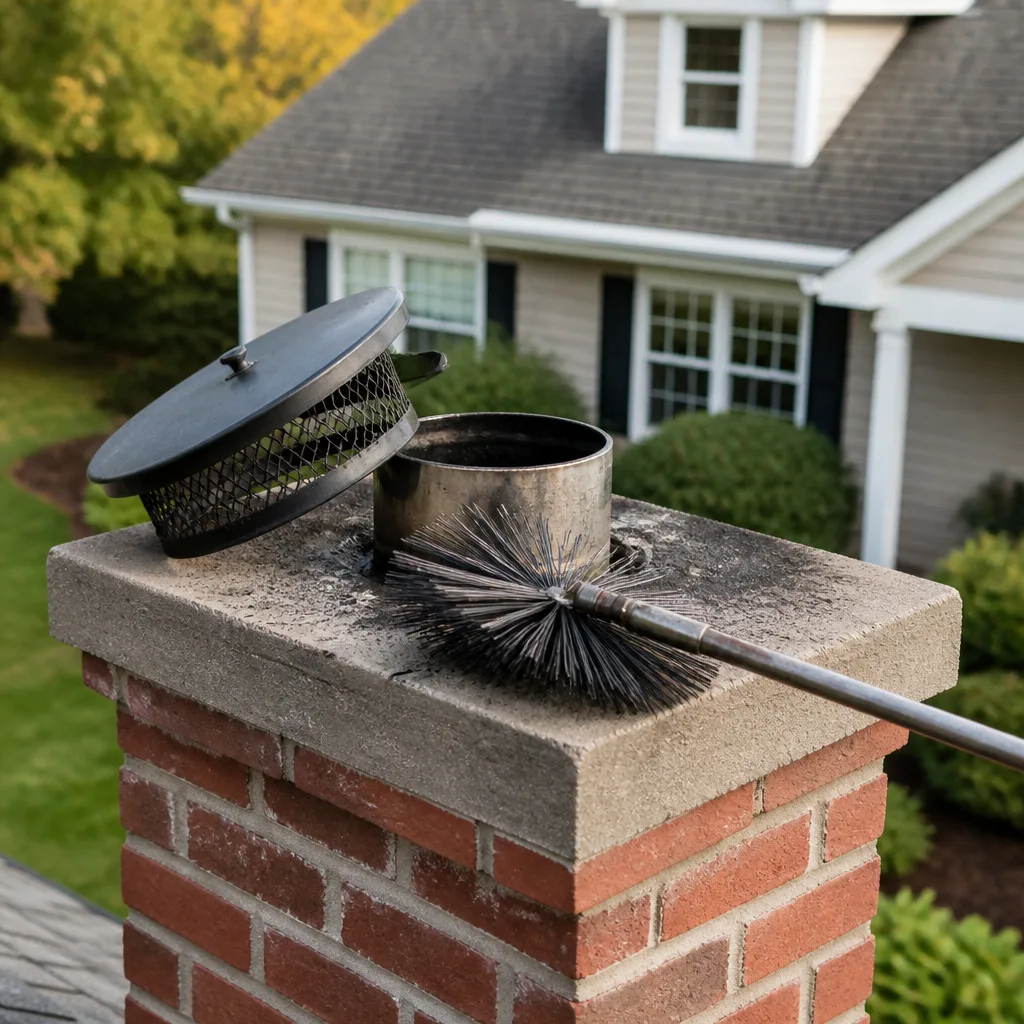 Sweep & inspection
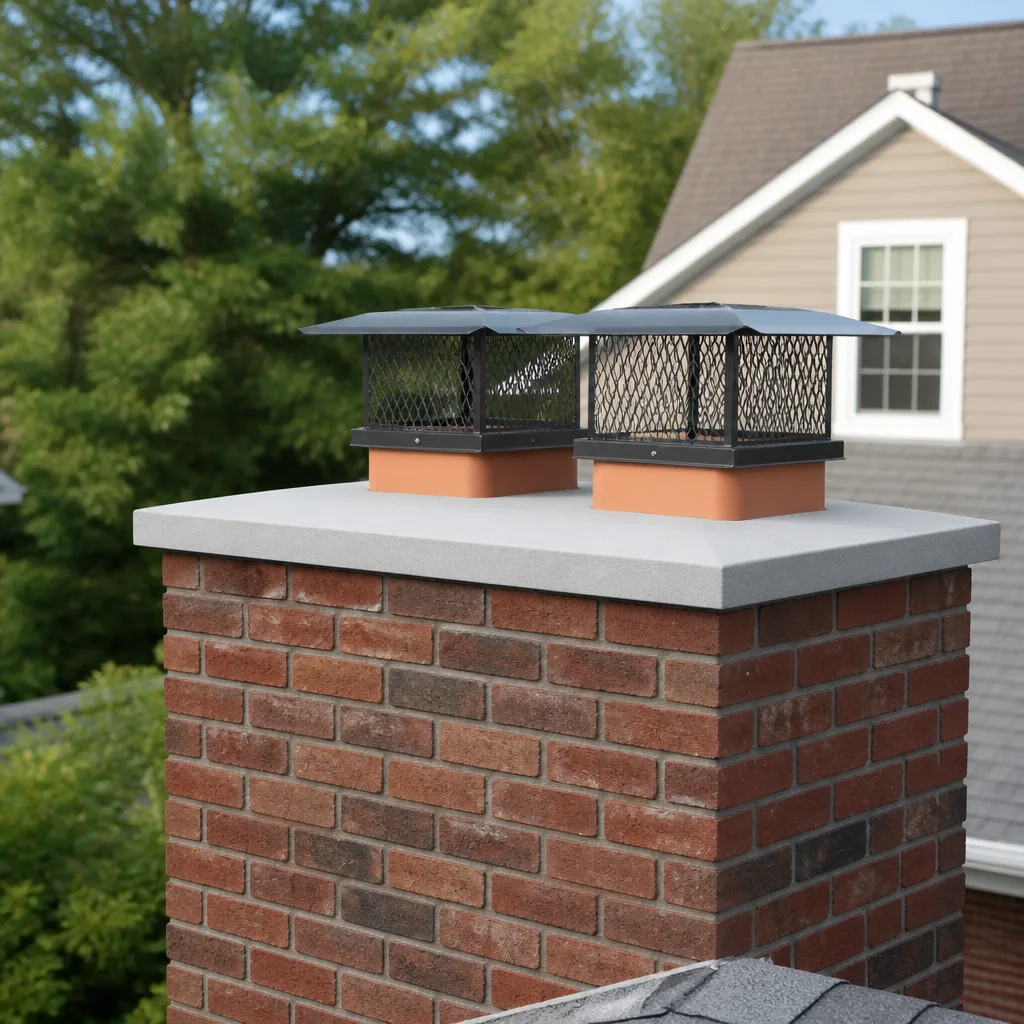 Caps & crowns
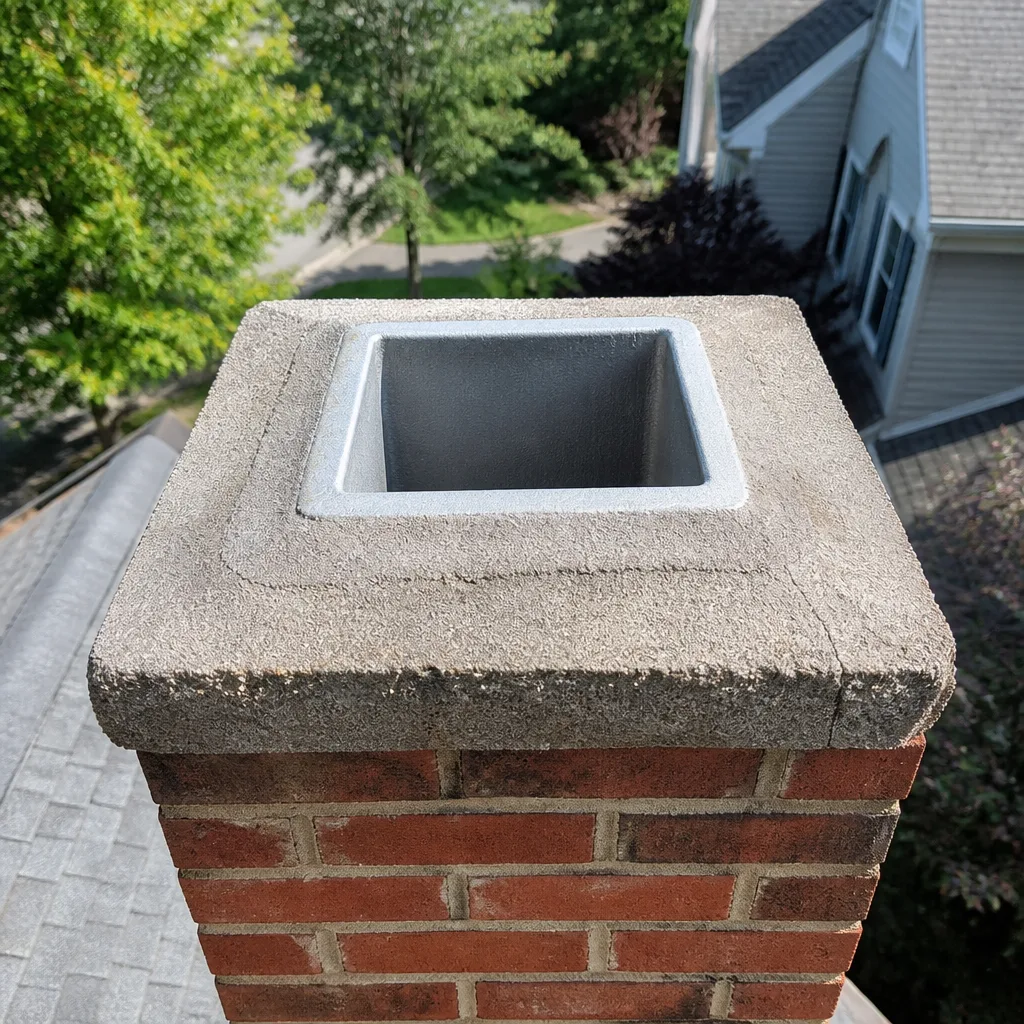 Flue relining
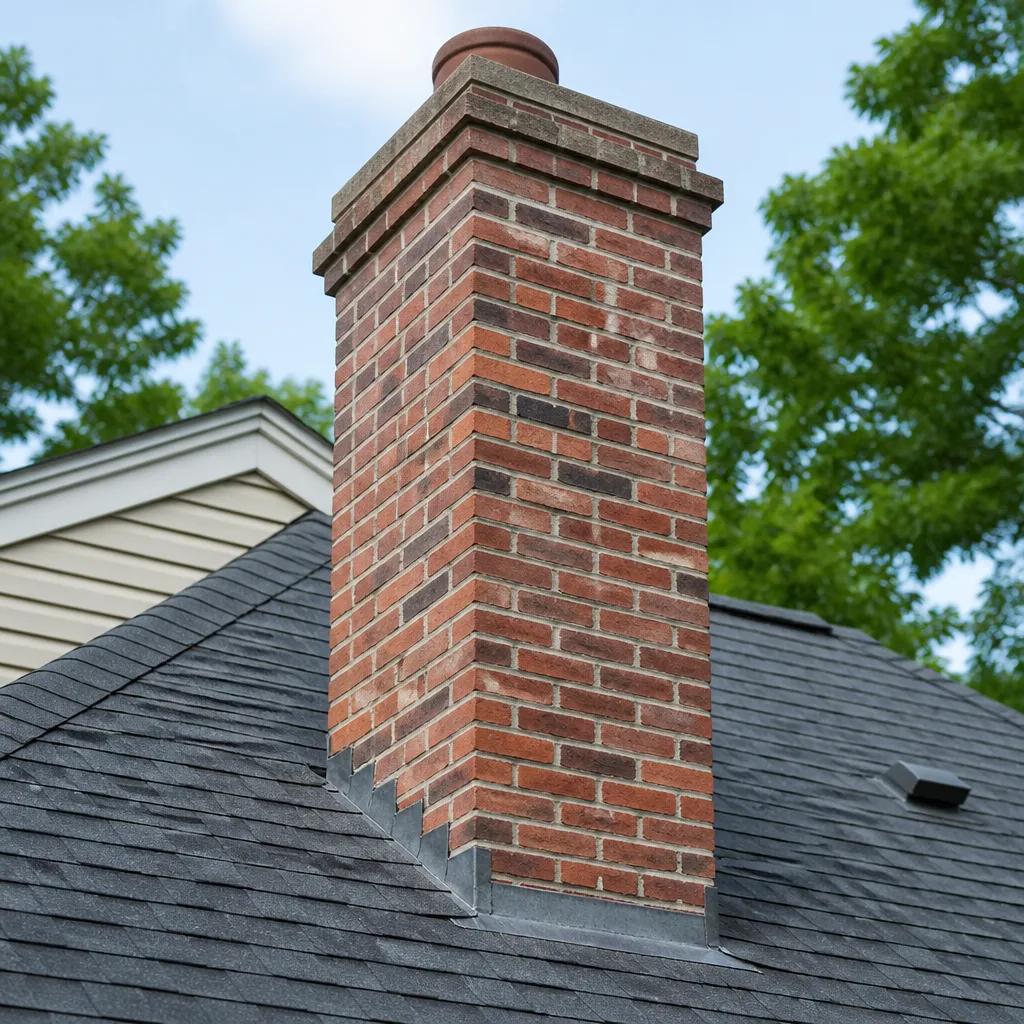 Masonry repair
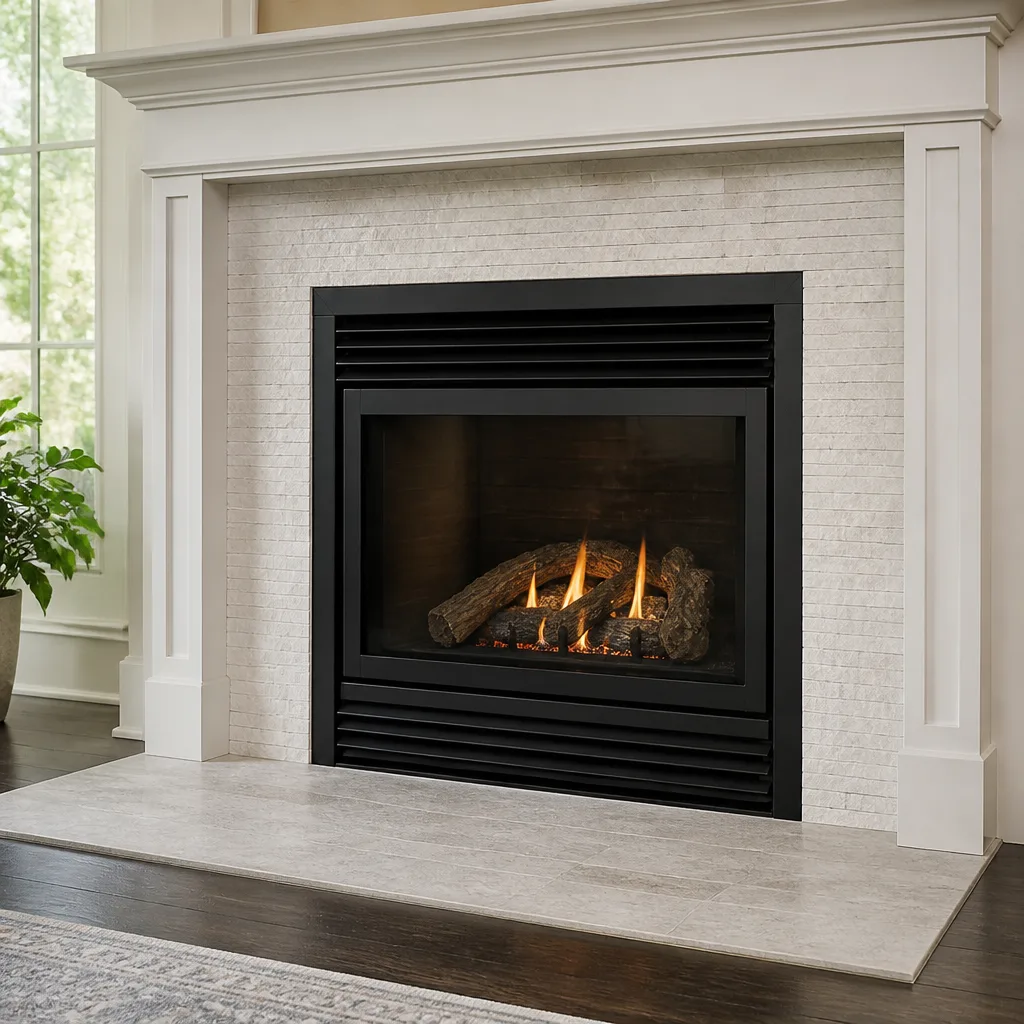 Gas fireplace service
Level 1 sweep and inspection to the NFPA 211 annual standard - flue, crown, cap, and flashing checked and photographed
Chimney sweep logs do not sweep chimneys. They loosen some creosote - which then falls where a brush and vacuum still have to collect it.
How to Hire a Chimney Cleaning Contractor in New Orleans: A Step-by-Step Guide
A sweep who finds a cracked liner or a failed crown and then hands you a referral slip isn’t a full-service contractor. They’re a paid inspector, and you should price them accordingly. That’s the hiring mistake we see most often around New Orleans: homeowners check credentials, confirm insurance, ask the right questions, then hire someone who can only clean. When the sweep turns up a repair, the homeowner starts over with a second contractor, a second estimate, and a second round of trust-building. This guide walks through how to tell a sweep-only operation from a company that can clean, diagnose, and fix in one visit, how to verify Louisiana licensing, what to ask about older New Orleans housing stock, and how to compare quotes that aren’t priced the same way.
Quick Answer
The best way to hire a chimney cleaning contractor in New Orleans is to choose a company that both sweeps and repairs, verify its Louisiana contractor licensing for any structural or liner work, confirm it carries liability insurance, and ask specifically how it handles a problem found mid-sweep. A sweep-only operation will send you elsewhere for repairs; a full-service company will quote the fix itself, in writing, before it leaves your roof. Compare at least two written estimates that itemize the sweep, the inspection, and any repair separately.
Styles & brands we work with
- Sweep & inspection
- Caps & crowns
- Flue relining
- Masonry repair
- Gas fireplace service
Table of Contents
- Sweep-Only vs. Full-Service: The Difference That Costs You Money
- How to Verify a Chimney Contractor’s Credentials in Louisiana
- Questions That Reveal Whether a Contractor Knows New Orleans Housing
- Red Flags Specific to the New Orleans Market
- How to Compare Chimney Cleaning Quotes Accurately
- What a Professional Chimney Sweep Should Actually Do
- Understanding Chimney Repairs Before You Approve Them
- The Hiring Process, Step by Step
Sweep-Only vs. Full-Service: The Difference That Costs You Money
A chimney sweep cleans. A full chimney service company cleans, inspects, and repairs. On paper that sounds like a small distinction. In practice, it’s the difference between one appointment and three.
Here’s how it plays out. You book a chimney sweep for a routine cleaning. The technician climbs up, runs the brush, looks at the flue, and finds a crack in the clay tile liner or a crown that’s spalling apart. A sweep-only contractor stops there. They write it on a report, hand you a business card for “a masonry guy they know,” and leave. Now you’re booking a second contractor, waiting for a second estimate, and hoping the two of them agree about what’s actually wrong. The first company was paid to find the problem, not fix it.
A full-service chimney company stays on the job. When the same cracked liner turns up, the company that found it can quote the repair itself, because it does the repair itself. That means:
- One diagnosis, not two.
- One written scope of work, not a referral slip.
- No gap between what the sweep found and what the repair contractor understands, because they’re the same people.
- Repair options laid out side by side, including resurfacing versus full relining, so you can pick the right fix rather than the only one on offer.
New Orleans has a lot of older housing stock, and a good share of it has chimneys that were built decades ago and have never been properly relined or capped. In that housing, a sweep is genuinely a diagnostic visit as much as a cleaning. That’s why we tell homeowners to hire the company they’d want to call back for the repair. We don’t just clean; we assess, repair, and restore. If the sweep turns up masonry work, you shouldn’t need a second contractor to get it done.
Ask any contractor you’re considering one direct question: “If you find a cracked liner during my sweep, can your company fix it, and can you quote it that day?” A sweep-only operation will say no. A full-service company will say yes, and you’ve just saved yourself the second round of phone calls.
How to Verify a Chimney Contractor’s Credentials in Louisiana
Louisiana doesn’t issue a single “chimney sweep license.” That surprises a lot of homeowners, and it’s exactly why you need to know what to verify and what each credential actually covers. Two different sets of credentials matter here, and they don’t cover the same work.
Sweep credentials: certification and insurance
For cleaning and inspection work, the credential to look for is certification from a recognized chimney organization, such as the Chimney Safety Institute of America (CSIA). A CSIA-certified sweep has passed a written exam and a background check and works to a published code of ethics. Certification isn’t a legal requirement in Louisiana, but it tells you the technician has been trained to a national standard rather than picked up a brush and a ladder.
Alongside certification, confirm two things in writing before anyone climbs on your roof:
- General liability insurance. Ask for a certificate of insurance and check that it’s current. A chimney sweep working on a roof without liability coverage is a financial risk you’re carrying, not them.
- Workers’ compensation coverage if the company has employees. If a technician is injured on your property and the company doesn’t carry workers’ comp, that exposure can land on you.
Repair credentials: licensed contractor status
Cleaning a flue and rebuilding a chimney are different categories of work. Structural repair, masonry rebuilding, crown replacement, and chimney relining generally fall under Louisiana’s contractor licensing rules for residential construction work. When you hire for repair, verify the contractor holds a current Louisiana residential contractor license through the Louisiana State Licensing Board for Contractors, and confirm the license number directly on the board’s public lookup rather than taking a number off a business card at face value.
Liner work is a hybrid. Installing a flexible stainless liner is a specialty skill that a certified sweep can be trained to do, but if the job involves cutting into masonry or rebuilding the chimney structure around it, the licensed-contractor question comes into play. The cleanest approach is to hire one company that holds both credentials, so you’re not refereeing between a sweep and a mason over who’s responsible for what.
Professional-grade relining materials matter here too. Companies that install DuraFlex flexible liner systems and HeatShield ceramic flue resurfacing work with products engineered for the job, not generic components. HeatShield resurfacing, for example, can restore a deteriorating masonry flue from the inside without a full reline, which is a repair option sweep-only contractors simply can’t offer. Ask what materials the company actually installs, and whether they can show you the manufacturer’s documentation.
Questions That Reveal Whether a Contractor Knows New Orleans Housing
Every contractor will tell you they “know the area.” The way to find out is to ask questions a national script can’t answer. New Orleans chimneys have particular characteristics, and a company that works here regularly will answer these without hesitating. A company reading from a generic playbook will give you a generic answer, or dodge.
Ask these questions on the phone or in person before you book:
- “What do you typically find in older New Orleans homes?” A local company will talk about the age and condition of the masonry, the common liner materials used in this housing stock, and how often a cap is missing or failing. A script-follower will talk about “older homes in general.”
- “Have you worked on homes built before 1950?” A large share of New Orleans housing predates 1950. A contractor who can describe how chimneys from that era are built and what fails first in them is worth the call.
- “What’s your approach to humidity?” New Orleans is a humid city. A knowledgeable contractor will explain how moisture affects masonry flues and crowns, and why a working chimney cap and proper crown slope matter here. A contractor who hasn’t thought about it won’t have an answer.
- “Where do you cap a chimney, and why?” The answer should describe the cap as a moisture and animal barrier, not a decoration.
- “How often do you recommend sweeping here?” The honest answer depends on how much you burn, not on a fixed number the company recites. Frequent fireplace users need sweeping more often than occasional users.
- “What does your inspection cover, and will I get the findings in writing?” A professional inspection covers the firebox, damper, smoke chamber, flue, crown, and cap. Written findings with photos are the standard to expect.
- “If you find a repair, can you quote and complete it?” This is the full-service test, and it’s the one that saves you the most hassle.
Listen for whether the contractor asks you questions back: what you burn, how often you use the fireplace, whether the chimney has been swept before, and whether the house has had any water intrusion near the chimney. A contractor who doesn’t ask anything isn’t diagnosing; they’re cleaning and leaving.
Red Flags Specific to the New Orleans Market
Some hiring mistakes are universal, like choosing the lowest bid without a written scope. Others are particular to New Orleans, and knowing them ahead of time can save you a costly mistake.
Storm-chasers and hurricane-season opportunists
After a major storm, out-of-state contractors often show up offering roofing, masonry, and chimney work. Some are legitimate; many are not. The warning signs: they appear only after storm damage, they push for a decision on the spot, they ask for a large cash deposit up front, and they can’t produce a Louisiana contractor license or a verifiable local business presence. A storm-chasing contractor may do the work and disappear before the repairs reveal themselves, leaving you with no recourse.
Out-of-state companies with local phone numbers
Caller ID can show a New Orleans number while the actual company operates from somewhere else. A phone number isn’t a local presence. Ask where the company is based and where its technicians are based, and see whether the answer matches. If the company describes itself as “serving New Orleans” but can’t tell you anything about the housing stock, the number may be a call-routing service rather than a local company.
Door-to-door sweep offers
A chimney sweep showing up uninvited at your door is unusual for legitimate work. Real chimney work is scheduled, not cold-pitched. A door-to-door offer often comes with pressure to inspect and then a sudden “emergency” repair needed right away. Treat any unsolicited chimney visit as a red flag, especially if the offer includes a discount for booking on the spot.
No written estimate, no photos, no scope
If a contractor won’t put the scope of work in writing, or won’t show you photos of what they found, that’s a problem regardless of market. Photos are the single most useful thing a contractor can give you, because they show you the condition of the flue, crown, and cap with your own eyes rather than asking you to take a report at face value.
Pressure to repair more than the evidence supports
Every honest contractor has seen repairs recommended that weren’t needed. A company that can show you photos of a corroded cap and an intact flue and still quote a liner replacement has skipped a step. The standard to insist on: nothing recommended without evidence you can see, and a straight answer when work can safely wait.
How to Compare Chimney Cleaning Quotes Accurately
Comparing chimney quotes is harder than comparing most home service quotes, because two contractors may be pricing two different jobs under the same name. One quote might bundle sweeping and inspection; another might list them separately; a third might include a camera inspection and a fourth might not. The number on the bottom line can be misleading if the scope underneath is different.
To compare accurately, put each quote on the same footing. Ask every contractor to break their estimate into the same line items:
- Sweep. Is the flue cleaning included, and how much of the chimney does it cover?
- Inspection. Is it a visual inspection, or does it include a camera inspection of the flue? A camera inspection reveals conditions a visual look can’t see.
- Written report. Do you receive written findings, and are photos included?
- Repairs. Is any repair quoted separately, with the specific work described and the materials named?
- Materials. Which products are specified for any repair: resurfacer, liner system, cap, and venting components? Professional-grade materials from brands like HeatShield, DuraFlex, Olympia Chimney, and Gelco are an indicator of a contractor who plans the fix, not just the cleaning.
- Warranty or workmanship terms. What happens if a problem appears after the job? Ask before, not after.
Once every quote is broken out this way, compare line to line. A quote that looks cheaper may be excluding the camera inspection, or pricing a repair as a separate job, or leaving the crown out. A quote that looks higher may include a repair the other contractor found and didn’t quote. The question isn’t which number is lowest; it’s which number covers the same work.
Insist on a written estimate before booking, and read the repair portion carefully. The written estimate is what sets the final price, and a professional company won’t change it without talking to you first. Estimates are free, and there’s no reason to commit to a contractor who won’t put the scope in writing.
What a Professional Chimney Sweep Should Actually Do
A proper sweep is more than running a brush up the flue. If you know what the visit should include, you can tell within the first fifteen minutes whether the contractor is doing the job correctly.
Before the sweep
- Lay drop cloths and protect the floor and hearth around the fireplace.
- Set up a shop vacuum with a fine-particle filter to keep soot from spreading through the house.
- Check that the damper opens freely and look at the firebox for noticeable damage.
During the sweep
- Clean the flue from the roof or from below, depending on the setup, using the appropriate brush size.
- Clean the firebox, damper area, and smoke chamber.
- Run a camera inspection of the flue in any chimney where condition is unknown or a problem is suspected.
After the sweep
- Match the amount of soot removed with the amount expected from how the chimney was used. A large discrepancy can indicate a problem.
- Examine the crown, cap, flashing, and mortar joints for cracks, gaps, or missing pieces.
- Provide written findings, with photos, and a clear explanation of what’s safe to use and what isn’t.
- Explain what, if anything, needs to be repaired, and whether it can wait.
In New Orleans, moisture is a recurring theme in what sweeps find. Deteriorated mortar and a spalling crown are common on chimneys that have gone years without attention, and both let water into masonry over time. A good sweep looks for them and tells you what the evidence shows, with photos to back it up.
Understanding Chimney Repairs Before You Approve Them
The repair discussion is where a hiring decision actually gets tested. You shouldn’t approve a chimney repair you don’t understand, and you shouldn’t approve one that hasn’t been explained with evidence.
How to evaluate a recommended repair
- Ask to see the photos. Whatever the contractor found, you should be able to look at it. Photos of a cracked crown or a failing flue are concrete; a description alone isn’t.
- Ask what happens if you wait. An honest contractor will tell you when a repair can safely wait and what accelerates if it doesn’t. A contractor who says everything is urgent has stopped being useful.
- Ask about repair options. A deteriorating masonry flue can sometimes be restored with ceramic resurfacing rather than fully relined. HeatShield resurfacing can restore a cracked masonry flue from the inside when the tile structure is intact, which saves the cost of a full reline. Ask whether your chimney qualifies.
- Ask what the repair materials are. A reline using a flexible liner system like DuraFlex is a different repair than spot repair on the existing flue. Both are legitimate, but the material should match the problem.
- Get the repair in writing. The estimate should name the work, name the materials, and set the price.
- Ask whether the company can do the repair in-house. If the answer is “we’ll refer you,” you’ve learned something.
New Orleans chimneys that have gone without attention for a long stretch tend to show the same handful of repair needs: a deteriorating crown, missing or damaged cap, cracked flue tiles, and loose mortar joints. Some of these can be corrected without a full reline. A full-service company that installs both liner systems and ceramic resurfacing can give you options; a sweep-only operation can only tell you something is wrong and then step aside.
Safety comes into this. Masonry work and roof work both carry real risks, and high-access repairs on sloped or deteriorated roofs aren’t a job for a homeowner. A trained professional should be assessing and correcting structural chimney damage, and a homeowner should get out of the way once the repair leaves the inspection stage.
The Hiring Process, Step by Step
Here’s the hiring process we’d walk a homeowner through, in order. It takes some calls and some patience, but it’s the difference between a smooth project and a second contractor showing up later to disagree with the first.
- Decide what you need. If your fireplace has been used regularly and hasn’t been swept in a few years, you need a sweep and inspection. If you’ve never had it inspected, book the sweep; the inspection comes with it. If you know of a specific problem, a repair quote is the right starting point.
- Choose full-service over sweep-only. Filter out contractors who can’t handle repairs themselves. This is the single most consequential hiring decision.
- Verify credentials. Ask for the technician’s certification, the company’s liability insurance certificate, and, if a repair is on the table, the Louisiana contractor license. Check the license number against the state lookup.
- Ask the New Orleans-specific questions. Use the checklist above. Listen for whether the answers are specific or generic.
- Get a written estimate before booking. The estimate should itemize the sweep, the inspection, and any repair as separate lines. Call for a free estimate and compare at least two contractors on the same list.
- Confirm the inspection scope. Ask whether a camera inspection and photo report are included. Both should be, for any chimney whose condition is in question.
- Ask about what you’ll get afterward. Written findings, photos, and a clear statement of what’s safe to use and what needs attention.
- Book the sweep. Call New Orleans Chimney Cleaning at (833) 946-8575 and describe your chimney, your fire use, and what you know about its condition. We answer 24/7. Fast dispatch from 7am to 7pm, Sunday through Friday.
- Review the findings before approving repairs. Look at the photos. Ask what can wait. If a repair is needed, get the quote in writing and compare it against what the evidence shows.
One more thing to consider on the same visit: your dryer vent. Both your fireplace flue and your dryer vent are fire-hazard sources, and both deserve professional attention. Booking dryer vent cleaning alongside the chimney sweep means one call covers both, and the contractor can properly check the termination and airflow, which is what Famco venting components are for.
Common Mistakes to Avoid
- Hiring a sweep who can’t repair. You’ll pay for the diagnosis, then start the hiring process over for the fix. Choose a company that can do both, and you skip the second round entirely.
- Skipping the certification and insurance check. A CSIA-certified technician is trained to a national standard, and a current liability certificate tells you the company stands behind roof work. If a contractor won’t produce either, move on.
- Accepting a verbal repair quote. Without a written scope and a written price, you’re exposed to costs that never appeared in the estimate. Insist on both in writing, with materials named.
- Approving repairs you haven’t seen evidence for. A recommendation without photos of the condition is just a claim. Ask to see what was found, and ask directly whether the work can wait.
- Picking the lowest bid without comparing scope. A cheaper quote may exclude the camera inspection, the report, or the crown repair. Compare the same list of line items across contractors before deciding.
- Hiring an out-of-state storm-chaser after a hurricane. Verify Louisiana contractor licensing and local presence before signing anything, especially in the months after a major storm. A local phone number isn’t proof of a local business.
- Treating a dryer vent as an afterthought. A clogged dryer vent is a fire hazard, and it’s easy to overlook when the chimney is the focus of the call. Book both on the same visit and get the ventline properly checked.
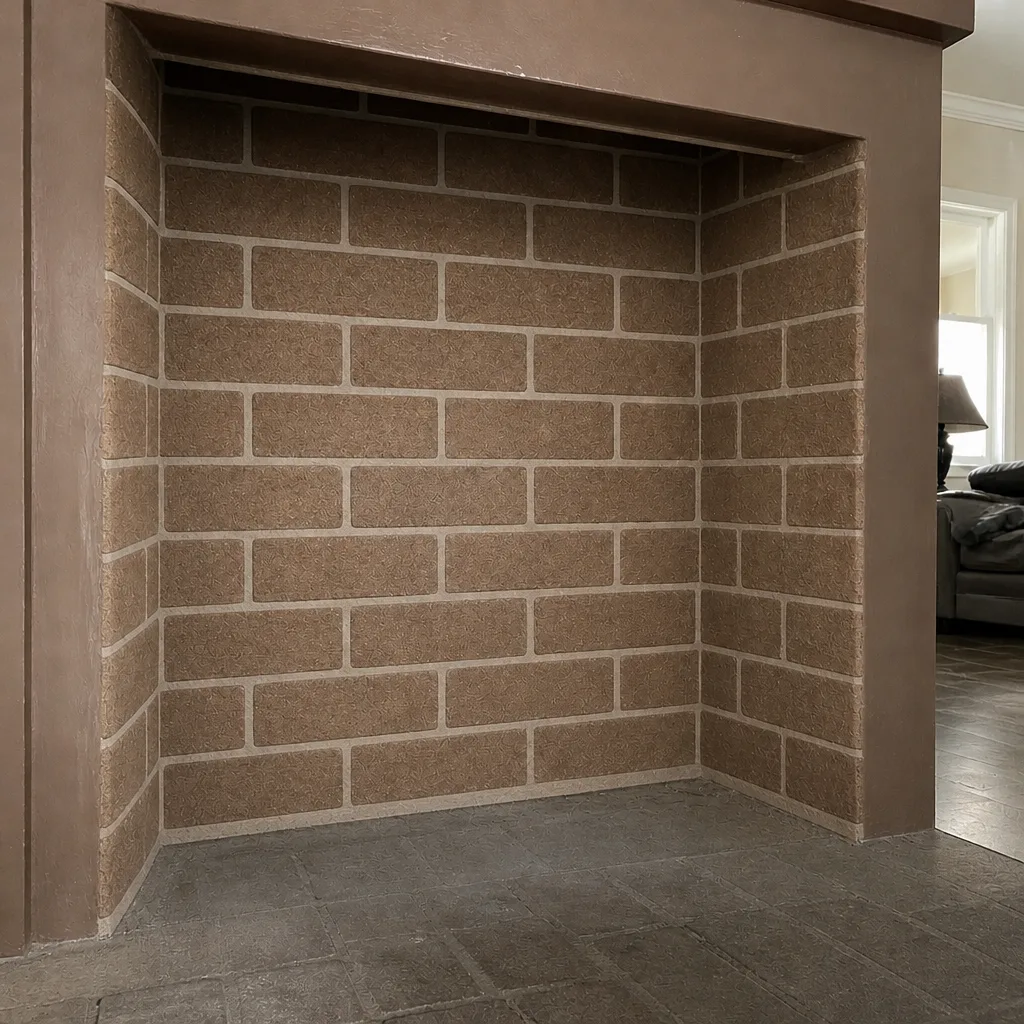
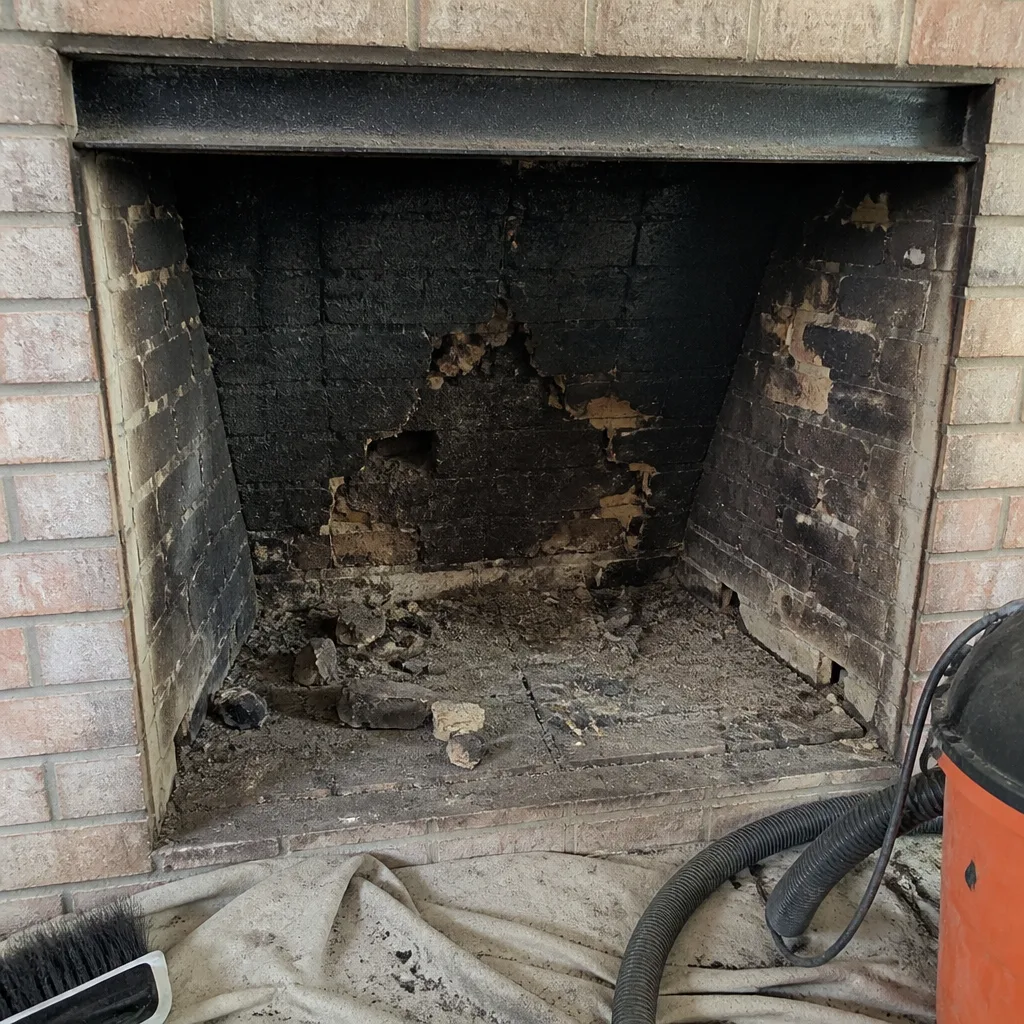
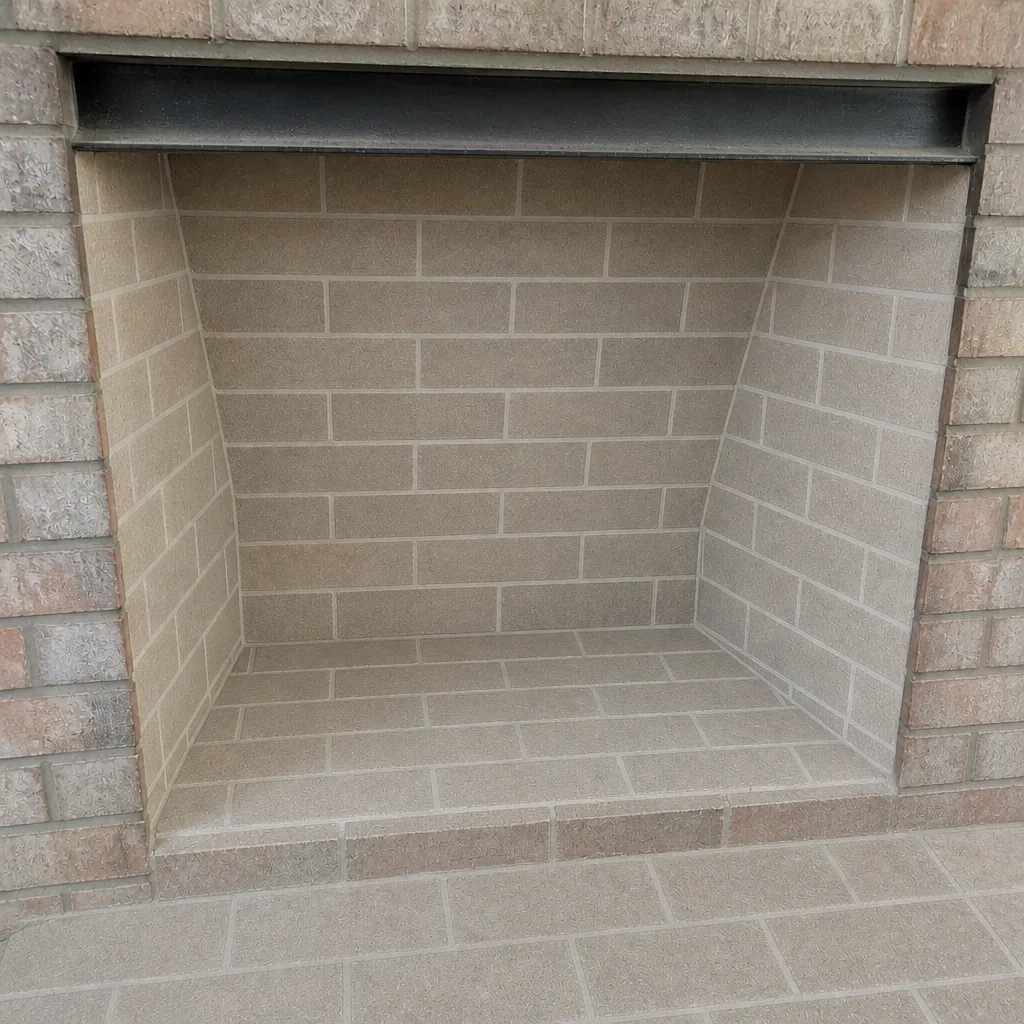
See the difference
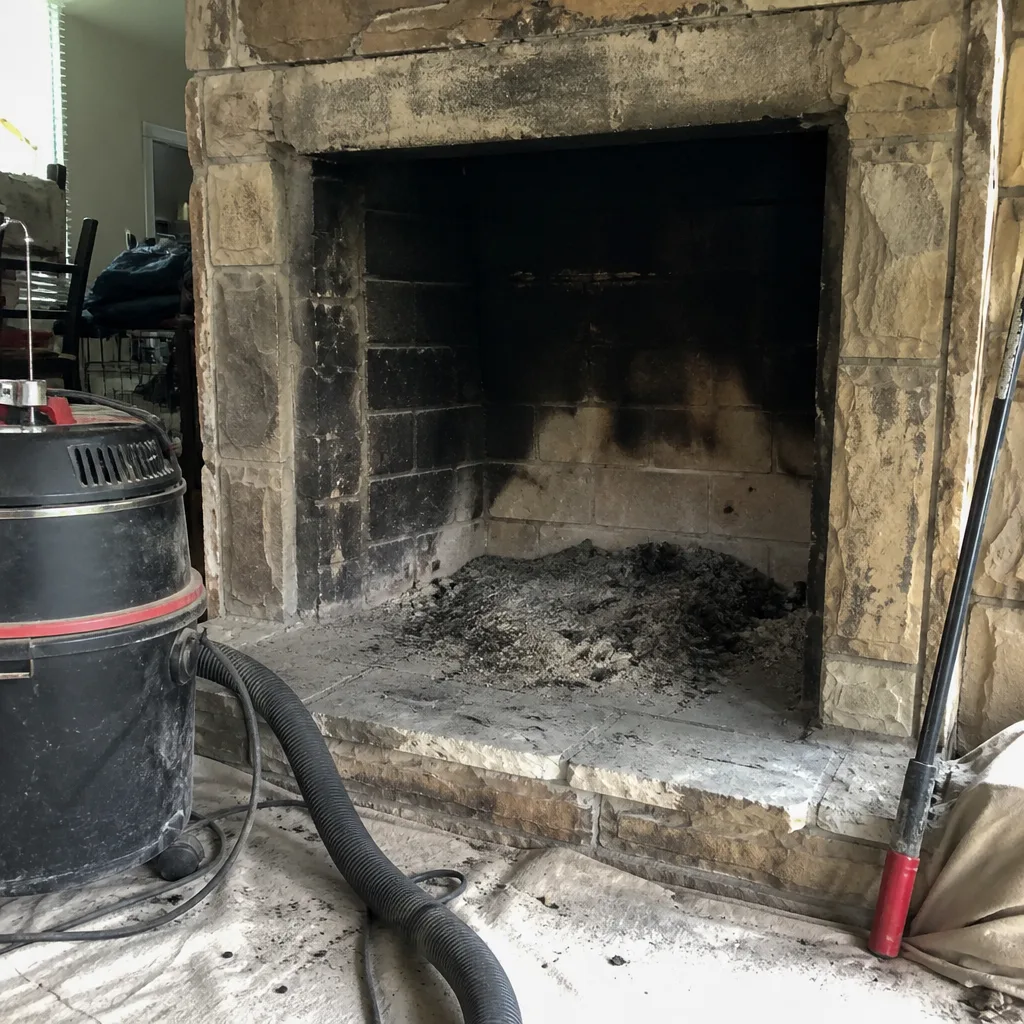 Before
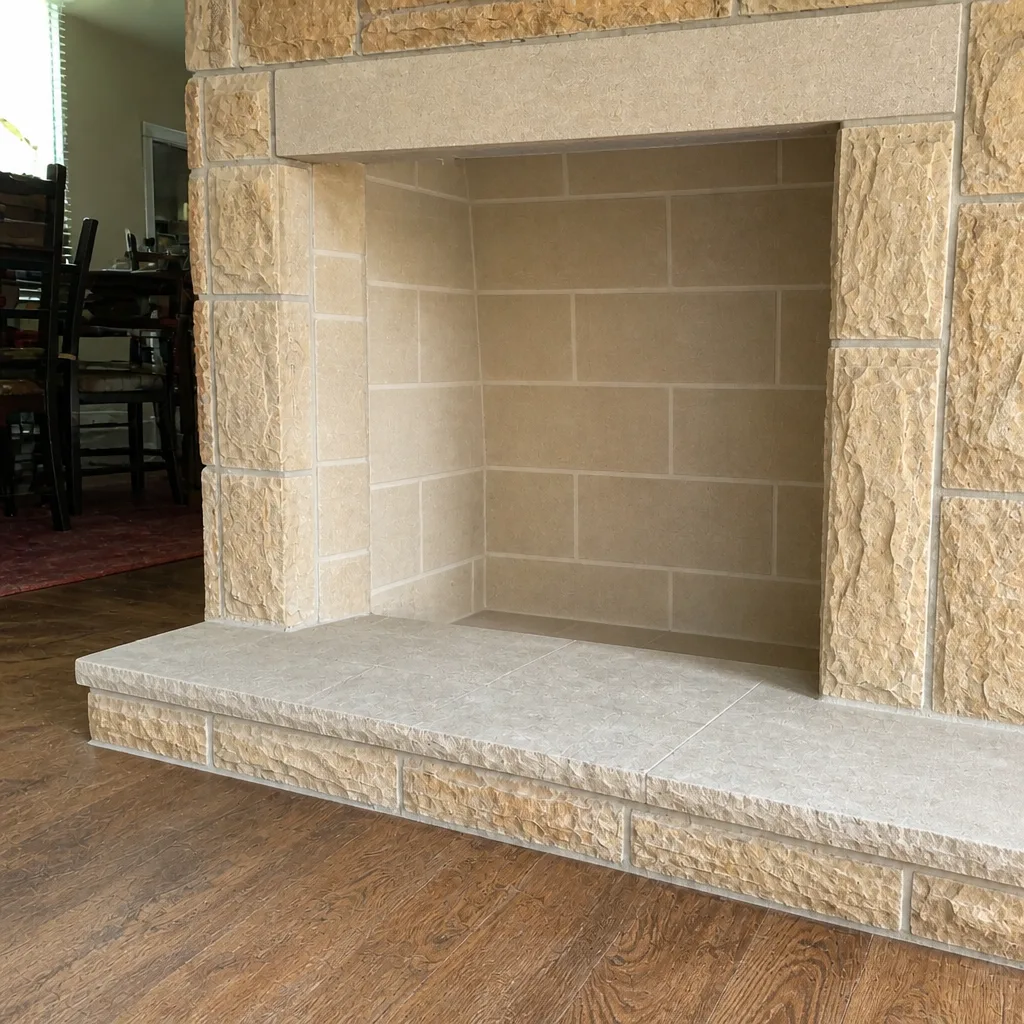 After
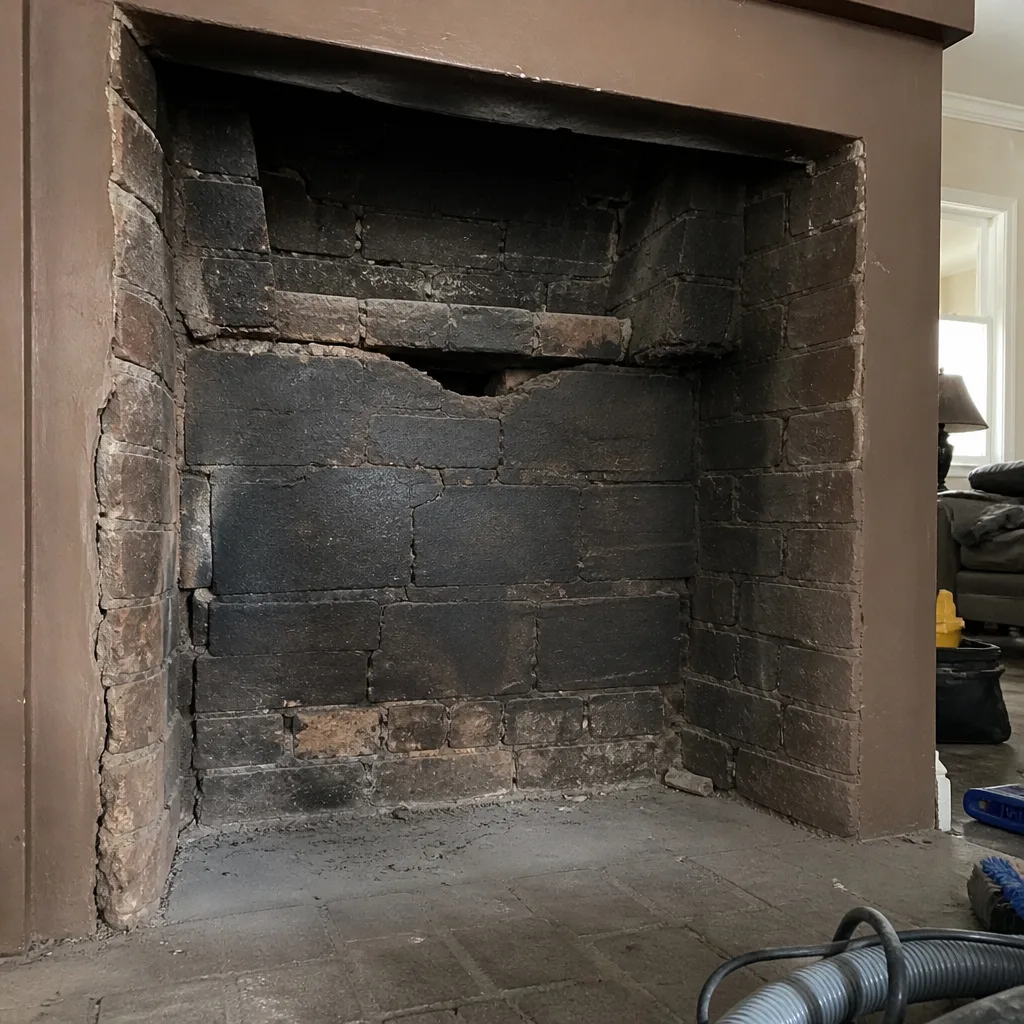 Before
 After
 Before
 After
When to Call a Professional
Some chimney work is routine, and some is time-critical. Call a professional sweep if any of the following applies:
- You use the fireplace regularly and it’s been a while since the chimney was swept.
- You’ve noticed a strong creosote smell, especially on warm days, or smoke rolling back into the room when you burn.
- You see visible damage to the crown, cap, or masonry, or loose mortar around the chimney.
- You’ve moved into a house and don’t know the chimney’s history.
- You’ve had a chimney fire or a suspected one.
- Your dryer is taking longer than usual, or the vent has never been cleaned.
If any of these are on your list, book the visit. New Orleans Chimney Cleaning offers free estimates in New Orleans and can quote the sweep and any repair on the same call. Call (833) 946-8575. We answer 24/7. Fast dispatch from 7am to 7pm, Sunday through Friday.
Frequently Asked Questions
Chimney sweeping is priced per job by a written estimate after a technician looks at the chimney, because condition and access vary so widely. What matters more than the starting number is what the estimate covers: flue cleaning, an inspection, written findings with photos, and any repair quoted separately. Call (833) 946-8575 for a free estimate; the written quote sets the final price.
You need a liner only if the existing flue is damaged or improperly sized for the appliance, and that’s determined by inspection, not by default. A flue with cracked or spalling clay tiles can sometimes be restored with ceramic resurfacing like HeatShield rather than a full reline with a DuraFlex flexible liner, which can save a significant amount. Ask for the photos, ask whether your chimney qualifies for resurfacing, and call (833) 946-8575 to have it looked at.
Chimney sweeping intervals depend on how much you burn, what you burn, and the condition of the flue, so there’s no single number that fits every home. A fireplace used regularly needs sweeping more often than one used occasionally, and a home that burns for heat needs more frequent attention than one burning decorative fires. Book an inspection and let the findings set the schedule; call (833) 946-8575 for a free estimate.
Creosote builds up in the flue with every fire, and when it accumulates enough it can ignite, which is the mechanism behind most chimney fires. Beyond fire risk, an unswept chimney also hides developing problems like a cracked flue, a failing crown, or an obstructed flue, none of which announce themselves until they become serious. A sweep and inspection catches issues while they’re still cheap to fix; call (833) 946-8575 to book one.
No. A sweep cleans and inspects; a chimney contractor also handles repairs like relining, resurfacing, crown repair, and masonry work. Some companies do both, and for a homeowner facing an older or uncertain chimney, the company that does both is the better hire. Call (833) 946-8575 and ask directly whether a repair found during a sweep can be quoted and completed by the same company.
Yes, and it’s worth doing. The fireplace flue and the dryer vent are both fire-hazard sources in a home, and a company that handles both can address them in one visit rather than requiring you to find two contractors. Ask whether the dryer vent work includes checking termination and airflow, not just lint removal. Call (833) 946-8575 to book both together.
The Bottom Line
Hiring a chimney contractor in New Orleans comes down to one question: can the company you bring out both find and fix the problem? A sweep who can clean but can’t repair is a paid inspector. A full-service company that sweeps, inspects with a camera, and can quote and complete repairs in-house is the right hire, and it saves you a second contractor and a second opinion down the road. Verify certification and insurance, confirm the Louisiana contractor license for any structural repair, ask whether the contractor knows the local housing stock, and compare written estimates on identical line items. Then book the sweep, look at the photos, and let the evidence set the scope. Call (833) 946-8575 for a free estimate. We answer 24/7. Fast dispatch from 7am to 7pm, Sunday through Friday.
Written by the team at New Orleans Chimney Cleaning.