
Last updated November 15, 2026
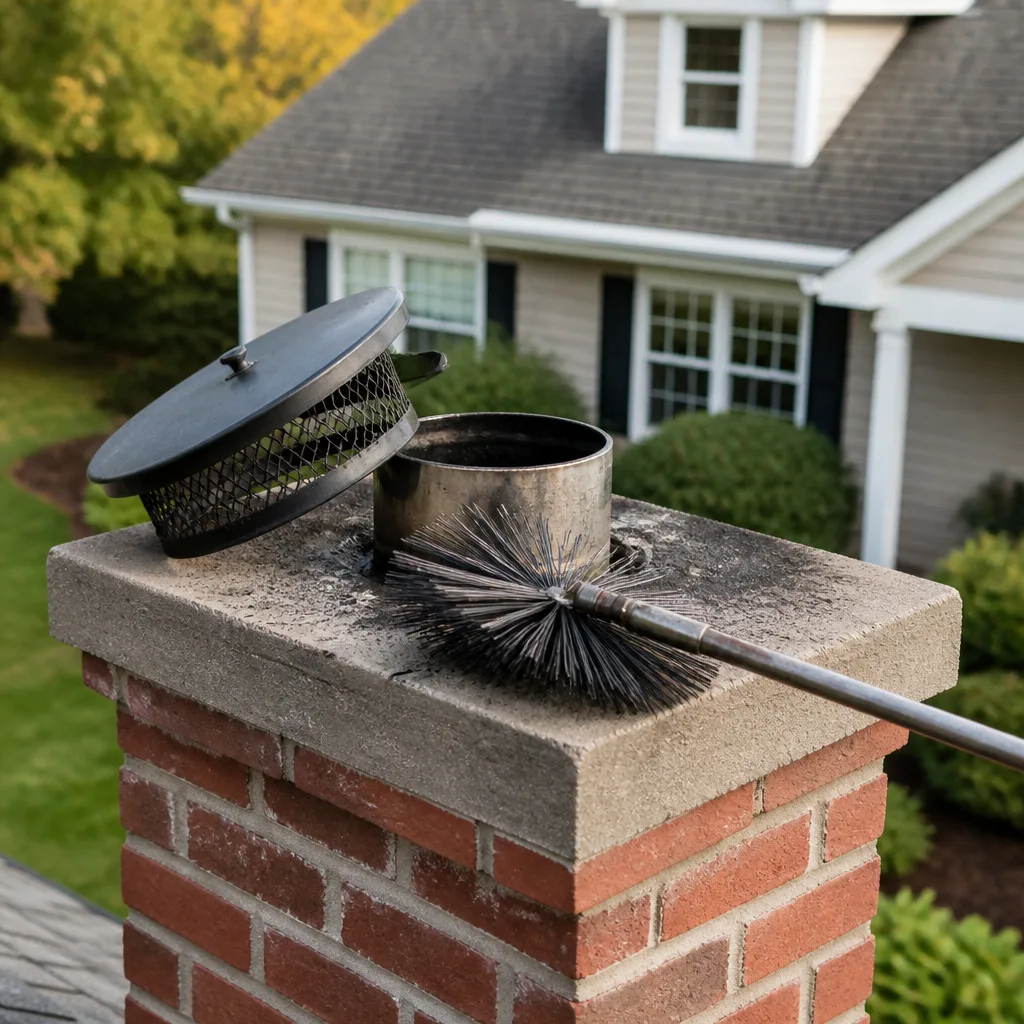 Sweep & inspection
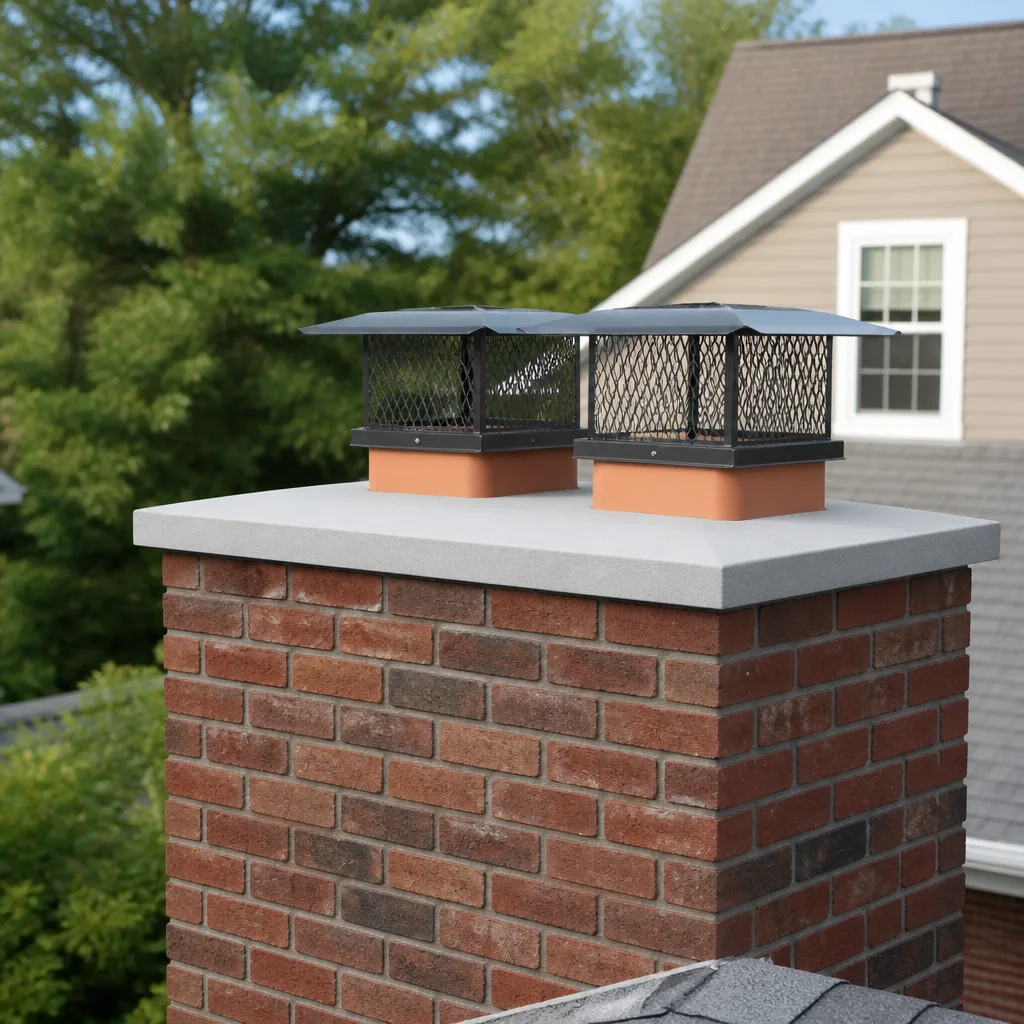 Caps & crowns
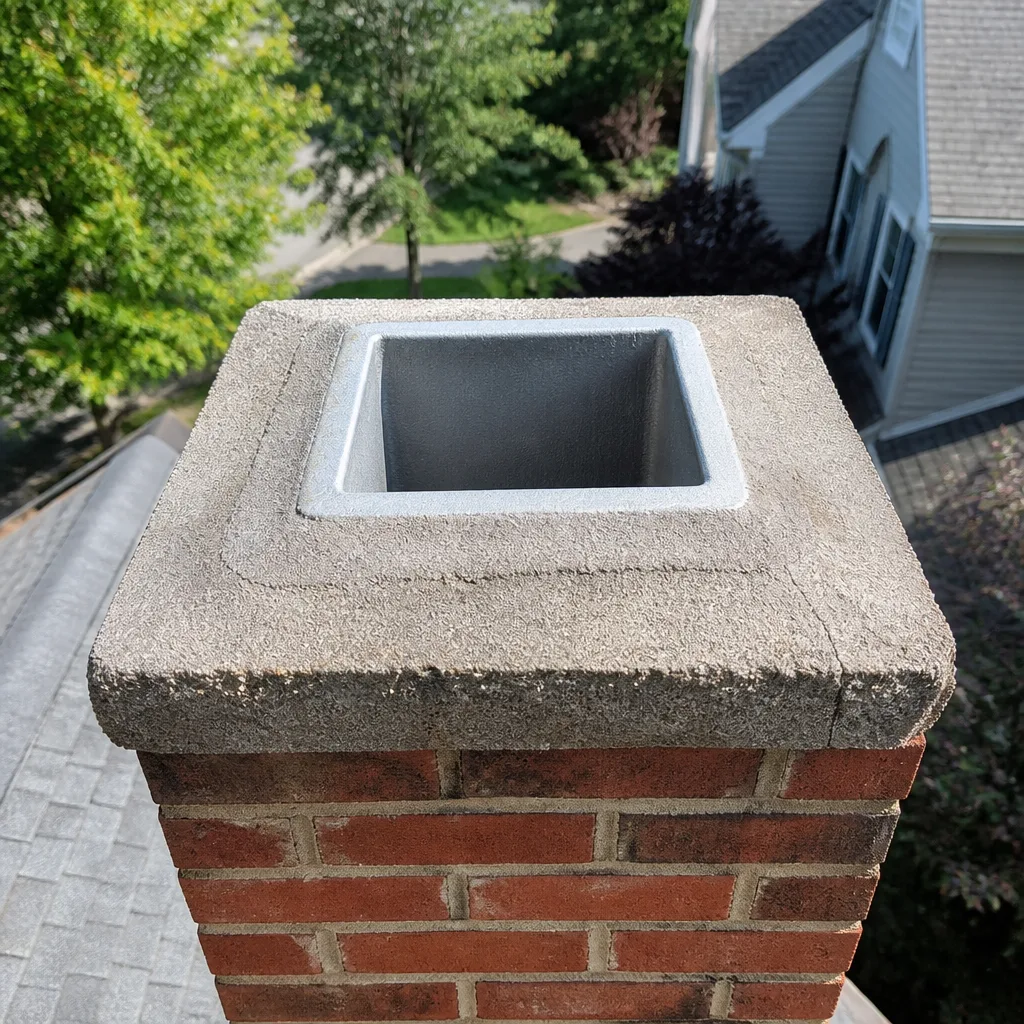 Flue relining
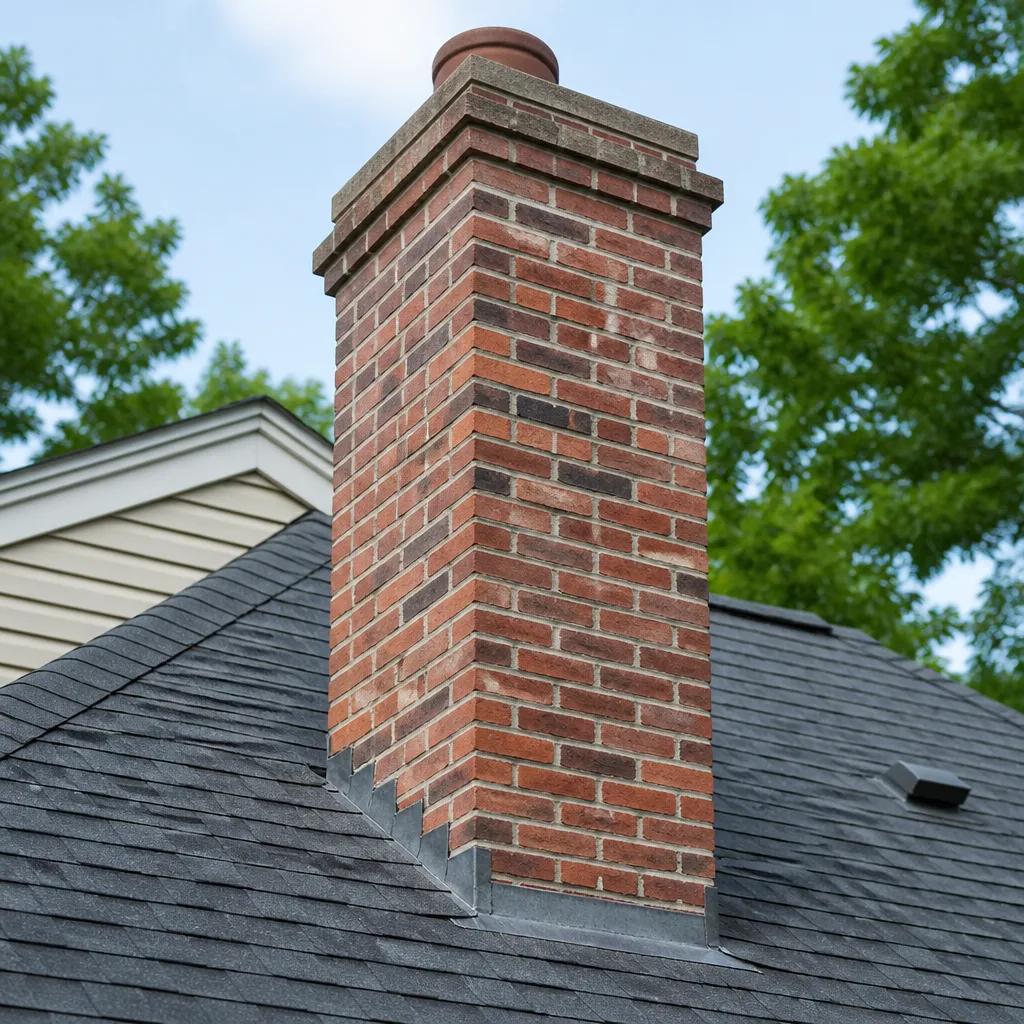 Masonry repair
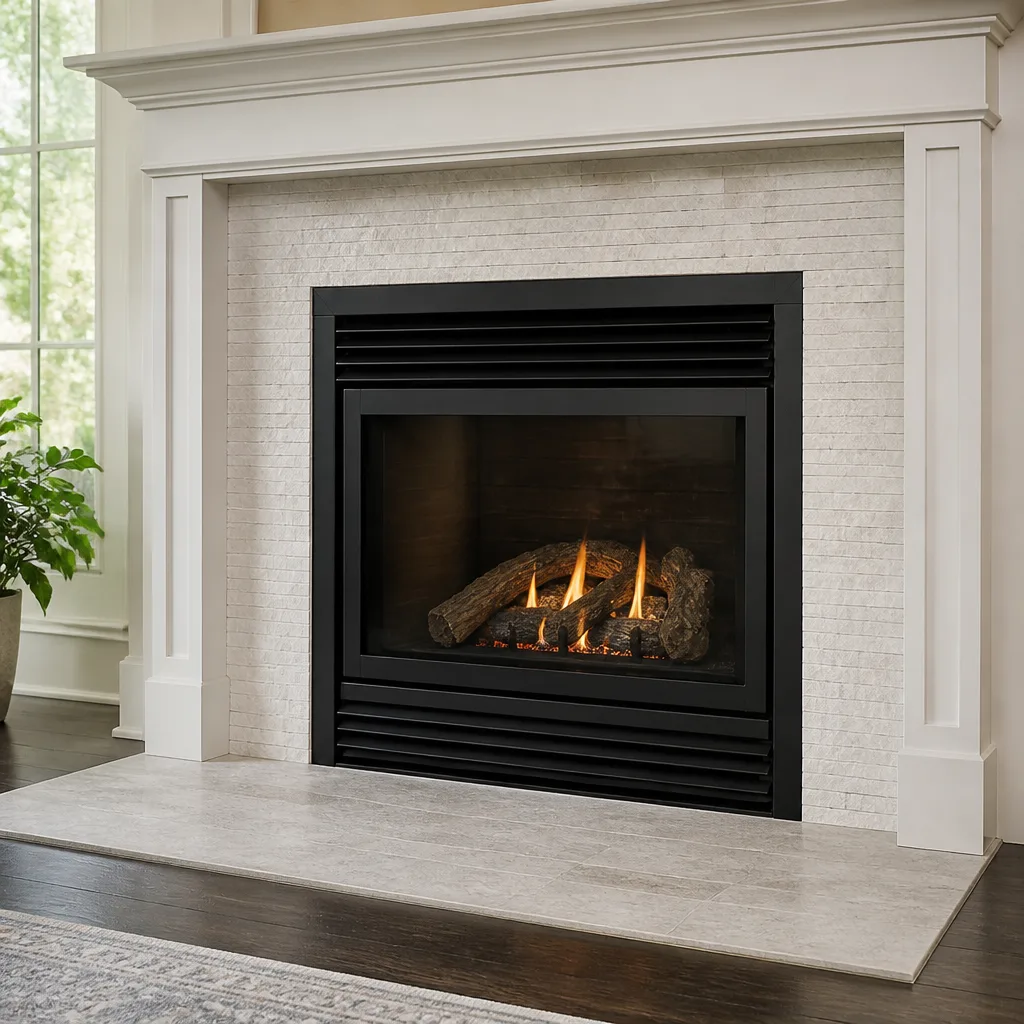 Gas fireplace service
Level 1 sweep and inspection to the NFPA 211 annual standard - flue, crown, cap, and flashing checked and photographed
Chimney sweep logs do not sweep chimneys. They loosen some creosote - which then falls where a brush and vacuum still have to collect it.
Chimney Cleaning Emergency Preparedness Guide for New Orleans Homes
Most New Orleans homeowners treat chimney emergencies as something that happens during a fire. In our experience, the more common scenario starts weeks earlier, when a named storm peels a cap loose or cracks a crown, and the fireplace sits there looking perfectly normal until someone lights it. Hurricane Ida proved the point: adjusters found chimney damage in thousands of homes where owners had no idea anything was wrong, and several of those fireplaces had already been used. This guide walks through both kinds of emergency, the storm that damages the structure before you use it and the fire or gas event that happens during use, with the ground-level checks, the first-24-hours sequence, and the insurance documentation steps that buy you options when it matters.
Quick Answer
Chimney emergency preparedness in New Orleans comes down to two separate plans: a storm plan (inspect the cap, crown, flashing and liner after any named storm, before you light a fire) and a use plan (know the signs of a chimney fire or carbon monoxide problem, and know when to call the gas company, the fire department, or a chimney contractor). Neither plan works if you wait until something goes wrong. The 20-minute ground-level check below is the single highest-value habit we can teach you.
Styles & brands we work with
- Sweep & inspection
- Caps & crowns
- Flue relining
- Masonry repair
- Gas fireplace service
Table of Contents
- The Two Chimney Emergencies New Orleans Homes Actually Face
- Four Storm Damage Scenarios You Can Spot From the Ground
- What to Do in the First 24 Hours After a Named Storm
- Gas Fireplace and Gas Appliance Venting Emergencies
- How to Document Chimney Damage for a Louisiana Insurance Claim
- Who to Call: Fire Department, Gas Company, Contractor, or Engineer
- What a Chimney Preparedness Kit Looks Like
- Timing the Annual Sweep Around New Orleans Seasons
The Two Chimney Emergencies New Orleans Homes Actually Face
The storm emergency and the fire emergency need different responses, and confusing them costs homeowners time and money. A fire emergency is immediate: you smell smoke in the house, hear a roar, or a carbon monoxide alarm sounds. That is a fire department call. A storm emergency is slower and sneakier. The house is quiet, nothing looks wrong, and the damage is sitting out of sight on the roof. That is a documentation and inspection problem before it becomes a safety problem.
Here’s why the second scenario catches so many people. New Orleans fireplaces run for a relatively short season, maybe November through February, and the rest of the year they stay shut up. A storm passes in August or September, damages the crown or shifts the liner, and nobody looks until the first cool evening. By then the damage has had months to sit, and the homeowner is lighting a fire in a chimney they have never checked.
We treat these as two separate preparedness problems because the fixes don’t overlap:
- Storm preparedness is about inspection, photography, and knowing which damage signals mean “do not light this fire” before the season starts.
- Use preparedness is about recognizing an active fire, a blocked flue, or a carbon monoxide risk while it’s happening, and knowing who to call first.
Both live alongside a third risk most people forget: the dryer vent cleaning side of household venting. Lint buildup is a fire hazard every bit as real as a creosote-loaded flue, and it’s a hazard that runs all year, storm season or not. One call covers your fireplace flue and your dryer vent because both are fire hazards, and both deserve professional attention.
Four Storm Damage Scenarios You Can Spot From the Ground
You don’t need to get on the roof. New Orleans homes have steep, slippery pitches and this isn’t a job for a homeowner with a ladder. But four of the most common storm damage scenarios leave visible clues you can spot safely from the ground with a pair of binoculars.
1. A Displaced or Missing Cap
The cap sits on top of the flue and keeps rain, birds, and debris out. After a wind event, look at the chimney top from your yard. Does the cap sit flat and square, or is it tilted, hanging, or gone entirely? A missing cap means rain and debris are getting into the flue right now, and a loose cap can shift further onto the roof or into the flue. If the cap is gone or clearly crooked, treat the chimney as out of service until it’s looked at.
2. A Cracked Crown
The crown is the concrete or mortar slab at the very top that sheds water away from the chimney. From the ground, look for a dark jagged line across the top edge or a chunk that looks displaced. A cracked crown lets water into the masonry, and water in a masonry chimney in our humid climate means slow structural deterioration. You may not see the crack from every angle, so a ground-level check is a starting point, not a full inspection.
3. A Shifted Liner
The liner is the flue inside the chimney, and it’s where the smoke goes. A storm can dislodge a section of clay tile liner or shift a metal liner connection. You usually can’t see a liner shift from the ground, but you can spot one sign: debris on the roof or in the firebox, or a flue that looks visibly crooked from the ground. Any visible liner problem means no fire until a professional has inspected it.
4. Dislodged Flashing
Flashing is the metal that seals the seam between chimney and roof. After high wind, look at that seam. Is the metal flat against the shingles, or is a corner peeled up? Dislodged flashing is a water intrusion problem first and a structural problem second. It won’t make a fire dangerous by itself, but it’s the entry point for roof leaks that will eventually reach the ceiling below.
We find these four issues in this order of frequency during post-storm inspections: caps and flashing first, crowns next, liners last but most serious. A professional chimney sweep in New Orleans done right includes a camera inspection of the flue so you’re not guessing about the one issue you can’t see from the ground.
What to Do in the First 24 Hours After a Named Storm
Here’s the decision tree we’d hand a homeowner on the morning after a storm passes. Work through it in order. Don’t skip ahead to the fireplace.
- Stop. Don’t light anything. No fireplace, no gas logs, no space heater near the hearth. The next steps take 20 minutes and they protect you from the one scenario that turns a storm problem into a fire problem.
- Look at the chimney from the ground. Run through the four checks above: cap, crown, liner, flashing. Note anything crooked, missing, or cracked.
- Take dated photos before you touch anything. Wide shot of the chimney, close shots of the cap and crown from the ground with your phone zoomed in, and a shot of the roof line where it meets the chimney. Timestamp matters for insurance (more on this below).
- Look inside the firebox. Open the damper and look up the flue with a flashlight. Look for daylight where there shouldn’t be any, cracked tiles, loose debris, or water staining. Daylight at the top is normal; daylight through the side of the flue is not.
- Check the ceiling and walls around the chimney. Any new water stain, bubbling paint, or discoloration is a flashing or crown problem reporting itself from the inside.
- Walk outside and listen. A whistle or draft through the firebox when the fireplace is cold can indicate a damaged cap or shifted damper. Note it, don’t diagnose it.
- Book the inspection before the season starts. Inspection appointments fill up fast once the first cool front hits and everyone remembers their fireplace. Getting on the schedule right after a storm is easier than getting on it in November.
If any of steps 2, 4, or 5 turns up something obvious, stop and call a professional. Don’t go up on the roof to get a better look. The roof is the wrong place for do-it-yourself inspection, and a fall is a serious injury. Fast dispatch from 7am to 7pm, Sunday through Friday, is the way to get eyes on it. We answer 24/7.
Gas Fireplace and Gas Appliance Venting Emergencies
Gas venting emergencies split into two categories, and knowing the difference tells you whether to call the gas company or a chimney contractor first. This matters because the two have different causes and different immediate steps.
A Carbon Monoxide Risk vs. a Combustion Problem
A carbon monoxide risk is a venting failure. The gas burns cleanly but the exhaust doesn’t leave the house, so CO builds up inside. A combustion problem is incomplete burning at the source: a dirty burner, low oxygen, or a blocked air intake producing CO faster than it would otherwise. Both can show up as a CO reading, but only the second is a gas supply or appliance problem.
The signs that separate them:
- Call the gas company first if: you smell gas, a CO alarm sounds, or you feel headache, dizziness, or nausea in the room with the appliance. Those are supply or immediate-leak signs, and the gas company is the right first call.
- Call us first if: there’s no gas smell and no alarm, but you see soot stains at the vent, smell exhaust inside when the appliance runs, or notice the appliance burning oddly. Those are venting problems, and a chimney specialist is the right call.
If you’re not sure which you have, call the gas company. They can rule out a gas supply issue in minutes, and it’s the safer first step when a CO alarm is involved.
Venting Components That Actually Matter
On the venting side, the components we install make the difference between a vent that drafts correctly and one that doesn’t. Professional-grade parts from New Orleans Chimney Cleaning – brands like Olympia Chimney for caps and terminations, Gelco for venting components, Famco for proper dryer vent termination and airflow, HeatShield for flue resurfacing – are the difference between a fix that holds and a fix that fails. Big-box vent kits aren’t built for the job. Famco venting components, in particular, signal proper dryer vent termination work rather than just pulling lint out of a tube.
One safety point we won’t skip: gas line work and gas appliance connections belong to a trained professional. We handle the venting. We don’t do gas piping, and nobody should be doing gas piping as a homeowner.
How to Document Chimney Damage for a Louisiana Insurance Claim
Insurance adjusters work from what’s documented. If a photo doesn’t exist, the damage didn’t happen as far as the claim is concerned. Chimney damage is a common miss for two reasons: the damage is often invisible from the ground, and homeowners tend to clean up and repair before they document.
The sequence matters. Do it in this order:
- Photograph before you call anyone. Wide shot of the chimney and roof from the ground, close shots of each damage point, and a shot of anything wrong inside the firebox or on the ceiling. Include timestamps. Most phones do this automatically; check before you shoot.
- Photograph the damage in context. The same photo should show the damaged part and enough of the chimney and surrounding roof so an adjuster can place it. A close-up of a cracked crown with nothing else in frame is hard to locate on a roof.
- Get a professional inspection before any repair. An inspection report with the damage documented and photographed is worth more to an adjuster than a homeowner’s photos alone. The inspection costs you a call; the repair can wait until the claim is settled in most cases.
- Don’t repair anything until the claim is filed. This is the step most people get wrong. Once a chimney crew has “cleaned things up,” the adjuster has nothing to see. Get the inspection, get the report, then repair.
- Keep the sequence straight between storm damage and pre-existing condition. Adjusters care whether the crack existed before the storm. Photos taken before the storm (from last season’s sweep, for example) help establish the baseline. If you have them, include them.
We can’t speak for your insurer, and the claim decision is theirs. What we can do is inspect the chimney, document the damage, provide the report you need, and hold any repair until you’ve filed. When the repair itself is needed, HeatShield flue resurfacing and DuraFlex flexible liner installation are the two tools that do most of the heavy lifting on storm-damaged masonry. A HeatShield resurfacing can restore a cracked flue without a full reline, and a DuraFlex liner corrects a flue that has damaged beyond resurfacing.
Who to Call: Fire Department, Gas Company, Contractor, or Structural Engineer
Not every chimney emergency is a chimney contractor emergency. Getting the first call right saves time and, in some cases, money. Here’s how we sort them.
- Call the fire department (911) if: a chimney fire is actively burning, you see flames or heavy smoke anywhere except the top of the flue, you smell smoke inside the house with the fireplace running, or you see glowing or burning material on the roof or outside the chimney.
- Call the gas company first if: you smell gas, a CO alarm sounds, or you feel headache, dizziness, or nausea near a gas appliance.
- Call a chimney contractor (us) if: the storm has passed and something on the chimney looks wrong (cap, crown, flashing, liner), the fireplace isn’t drawing well, you see soot or water staining, or it’s been a while since the last sweep and you want a professional inspection before the season.
- Call a structural engineer if: the chimney itself is visibly leaning, detached from the house, has lost bricks, or the roof structure around it has shifted. That’s a structural problem, and a chimney contractor and a structural engineer are different calls.
We’re the middle of that list, but we’re a useful middle because we cover three services under one roof: chimney sweep, chimney repair, and dryer vent cleaning. When a sweep turns up a structural issue, we don’t hand you a report and send you to a second contractor. We carry the fix, not just the inspection report. That’s the whole reason we stock professional-tier materials from HeatShield, DuraFlex, and Gelco.
If you’re in the New Orleans area and you’re not sure which call to make, call us first. We’ll tell you straight whether your situation needs us or someone else.
What a Chimney Preparedness Kit Looks Like
You don’t need much. A basic chimney preparedness kit lives in your head and in one small drawer, and it means the next storm or the next cold front doesn’t catch you off guard. Here’s what we’d tell a homeowner to keep on hand.
- Binoculars. For the ground-level roof check. A five-dollar pair of thrift-store binoculars does the job better than a ladder and a lot better than a fall.
- A bright flashlight. For the firebox check up the flue. A phone light works in a pinch but a real flashlight is brighter and you can hold it at an angle to see the flue sides.
- A carbon monoxide alarm on every level of the house, tested regularly. If you have a gas appliance, this is non-negotiable. Test it once a month and note it in your phone’s calendar.
- A dated photo record from your last sweep. Last season’s sweep report and photos are your baseline. When the adjuster asks “was that crack there before the storm?”, you’ll have an answer.
- A written note of your gas company’s name and number. Not because you’ll forget it, but because during an actual emergency you will.
That kit takes up a drawer, costs almost nothing, and covers every step in the first-24-hours sequence above. We’ve seen what happens when the kit is missing: slowed-down decisions, missed insurance deadlines, and in the worst cases, a fire lit in a storm-damaged chimney because nobody checked.
Timing the Annual Sweep Around New Orleans Seasons
The right time for the annual sweep in New Orleans is before the first cool front, which usually means between late September and early November, and after the heart of storm season. That window does two things at once: it gets the chimney inspected after any summer storm damage, and it puts the sweep on the calendar before the fireplace season starts and the schedule fills up.
If you notice during the storm check that the cap or flashing has been damaged, don’t wait for the annual sweep. Call it in and get the fix scheduled before the season starts. A chimney that’s structurally sound before the first fire is one that won’t send you calling on a cold night.
The sweep itself is quick. The right sweep includes a camera inspection of the flue and a photo report of what’s inside, so you’re not relying on the technician’s word alone. That’s an inspection you can see for yourself. If we recommend a repair, the camera evidence will show you why, and if the repair can safely wait, we’ll tell you so.
Common Mistakes to Avoid
- Lighting a fire before the post-storm check. The impulse after the storm passes is to get back to normal, and a cold night pushes people to light the fireplace. Check first. The 20-minute ground-level check is the cheapest insurance you’ll ever buy.
- Climbing on the roof to check. New Orleans roofs are steep and slippery, especially after rain. The danger of a fall outweighs any benefit of a closer look. Ground-level check with binoculars, then a professional if anything’s off.
- Repairing before documenting. If you hire a chimney crew to “clean up” the storm damage before you’ve filed an insurance claim, you may have just thrown away your evidence. Document first, file the claim, then repair.
- Skipping the sweep because the fireplace “seems fine.” A chimney that draws well can still harbor a cracked liner or a creosote buildup that hasn’t been tested yet. Sweeps aren’t just for dirty chimneys; they’re for chimneys you don’t yet know the condition of.
- Treating dryer lint as a minor issue. The dryer vent is the other venting fire hazard in most homes, and it’s the one people routinely ignore because it’s not attached to the fireplace. Add it to the same annual call.
- Calling the gas company for a venting problem, or the chimney contractor for a gas smell. Getting the first call right saves a step. Gas smell, CO alarm, or dizziness means gas company first. Soot, exhaust smell, poor draft with no alarm means us.
- Assuming the annual sweep covers storm damage. It does, if you schedule it after the storm and the report includes a camera inspection. If it’s the last week before the first fire and the report is a glance and a broom, the camera and photo report are what you’re paying for.
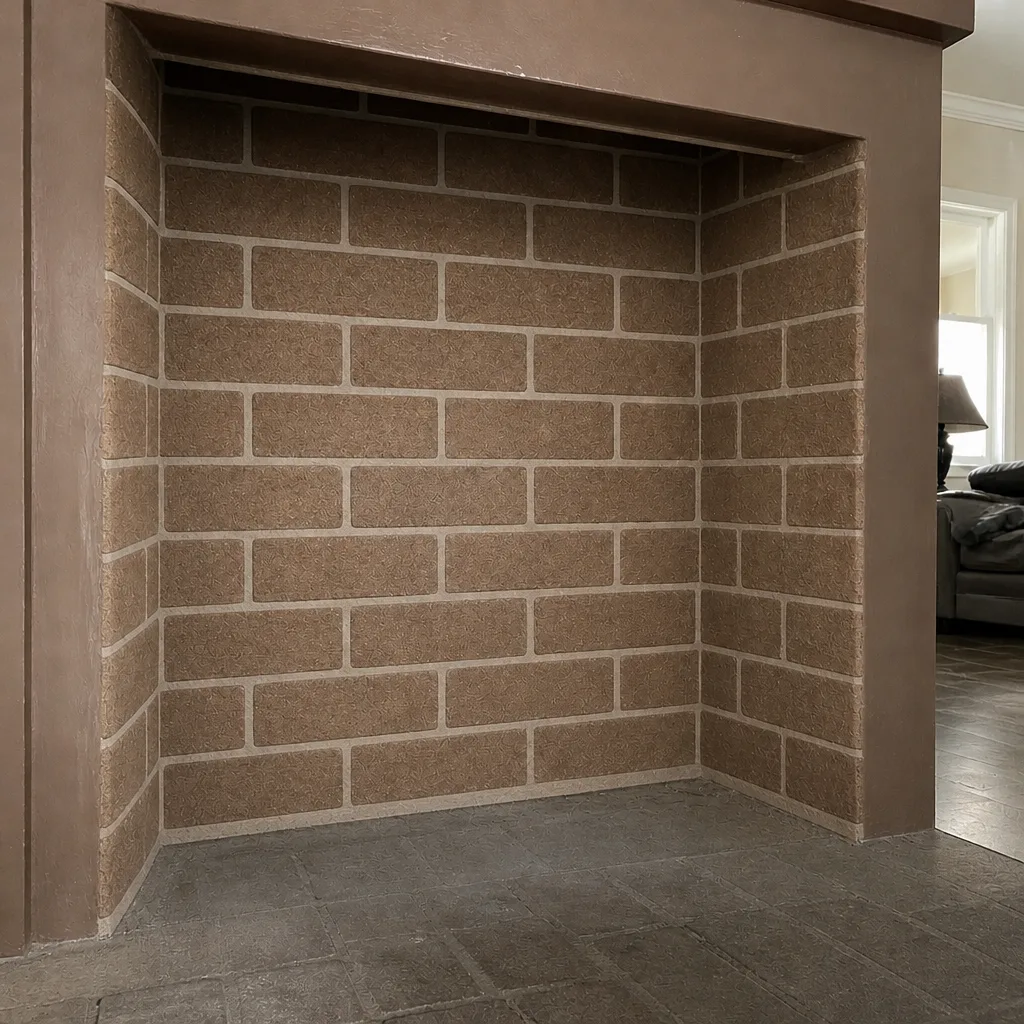
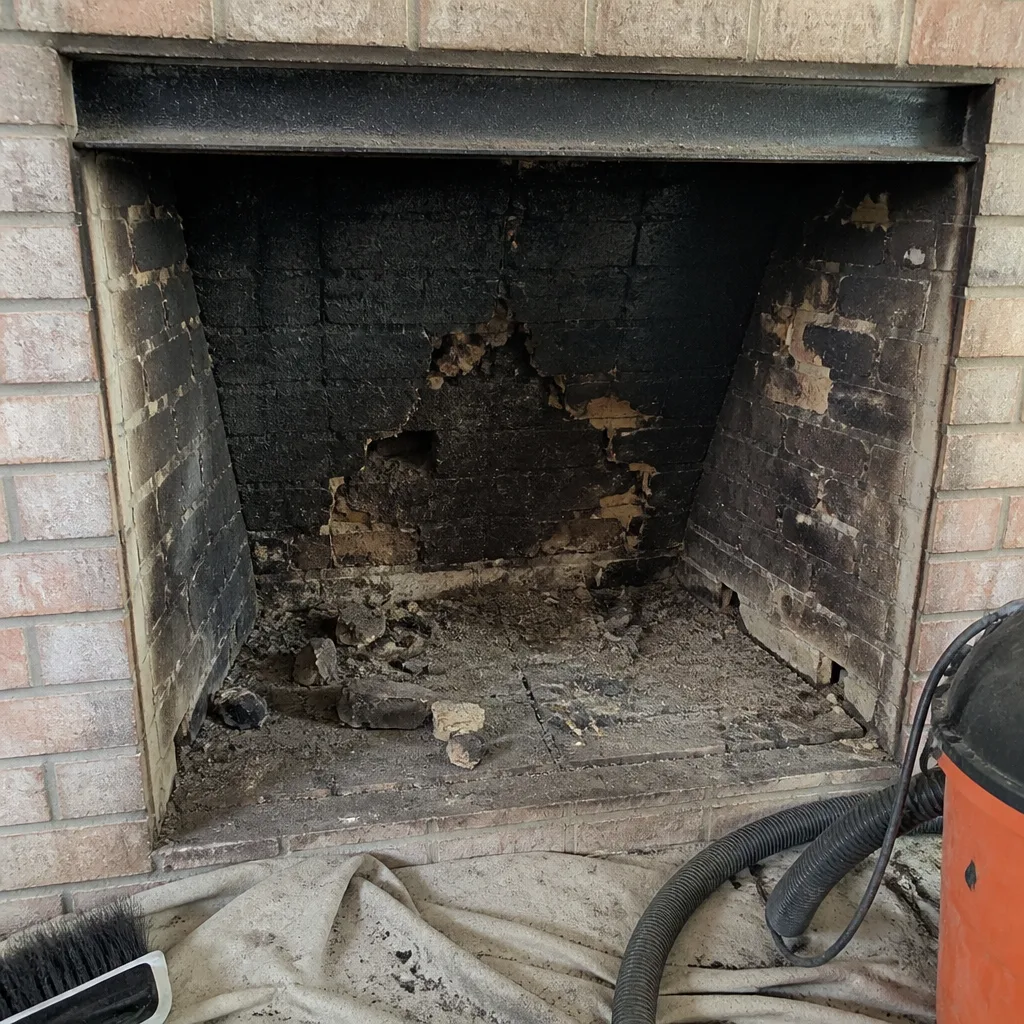
See the difference
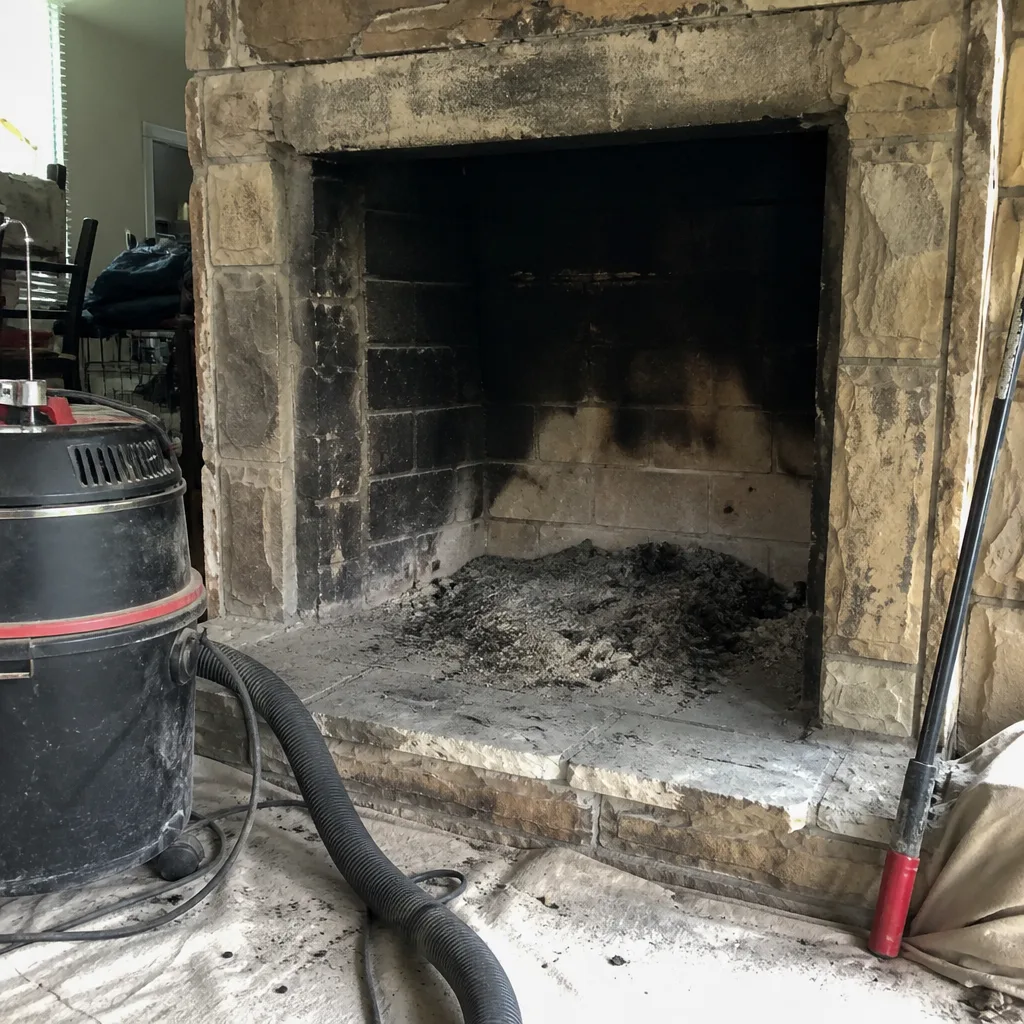 Before
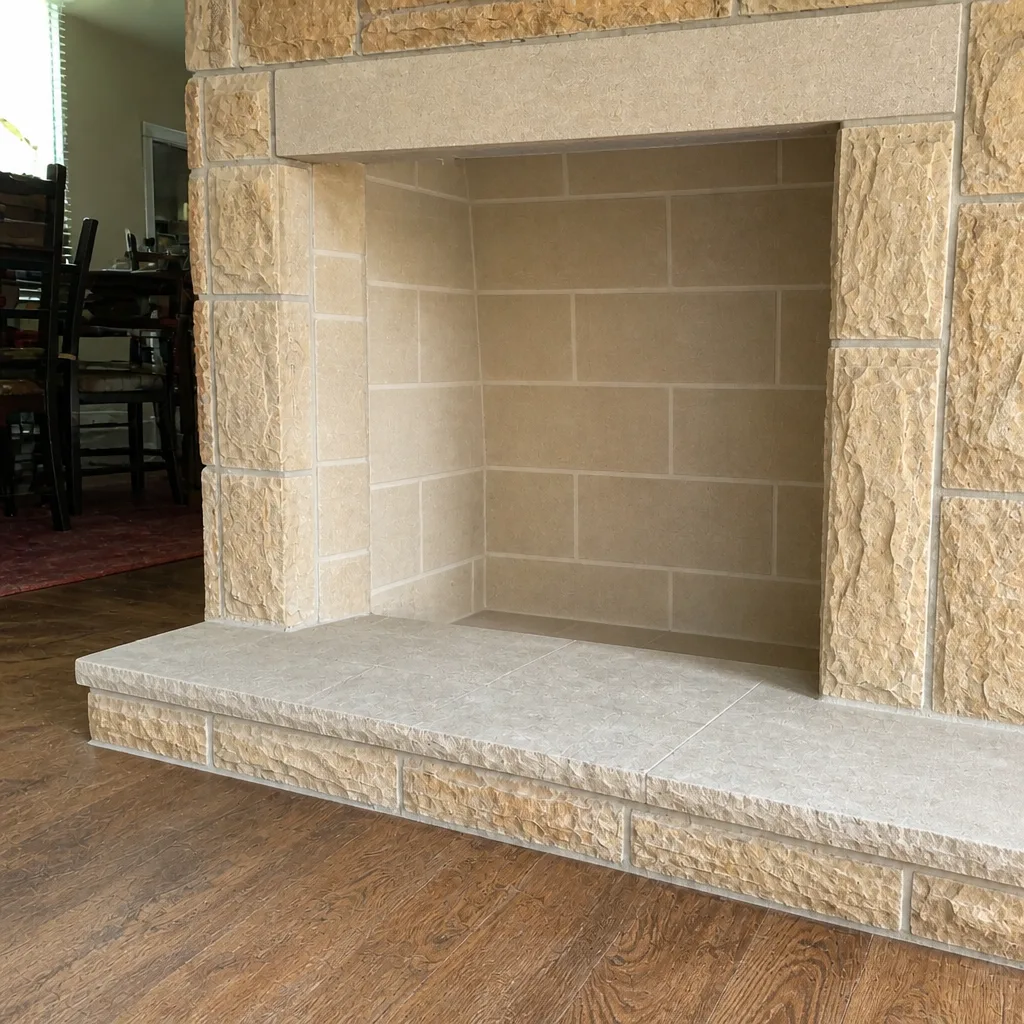 After
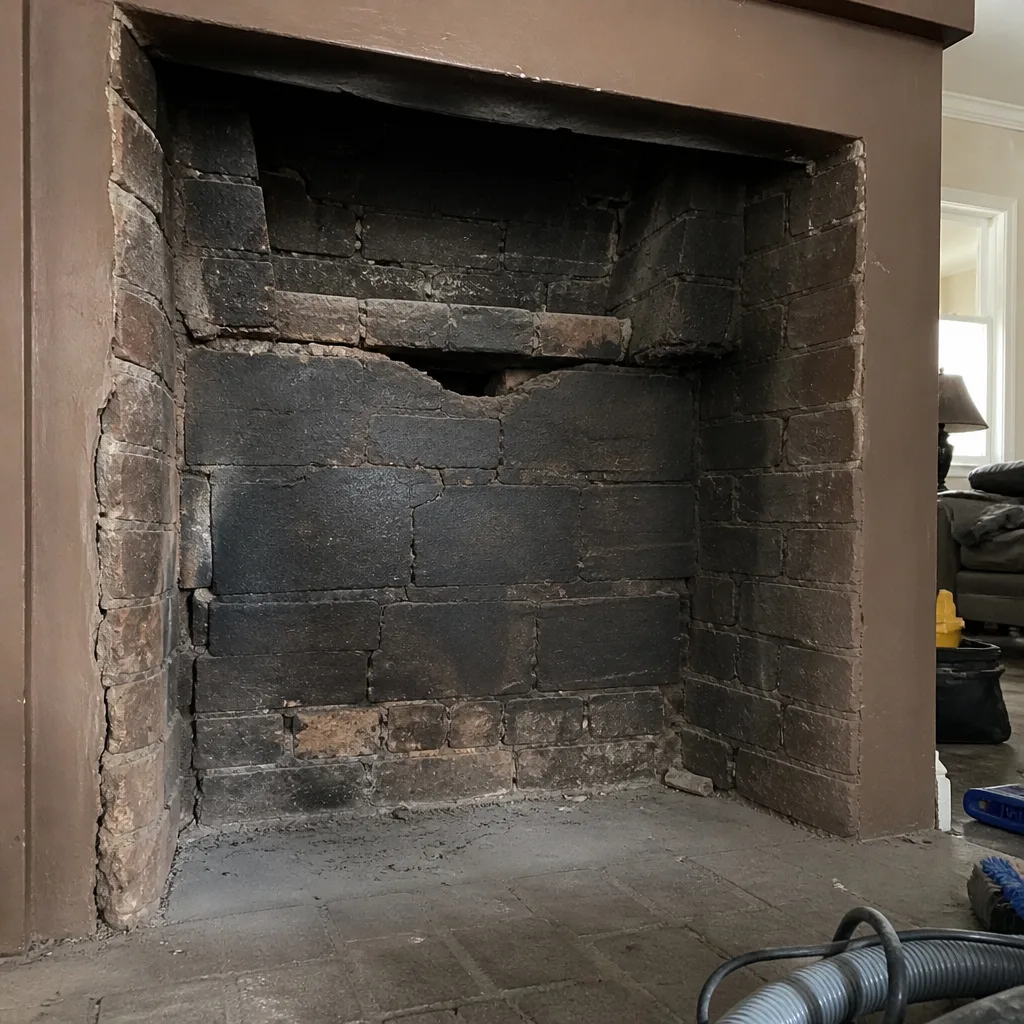 Before
 After
 Before
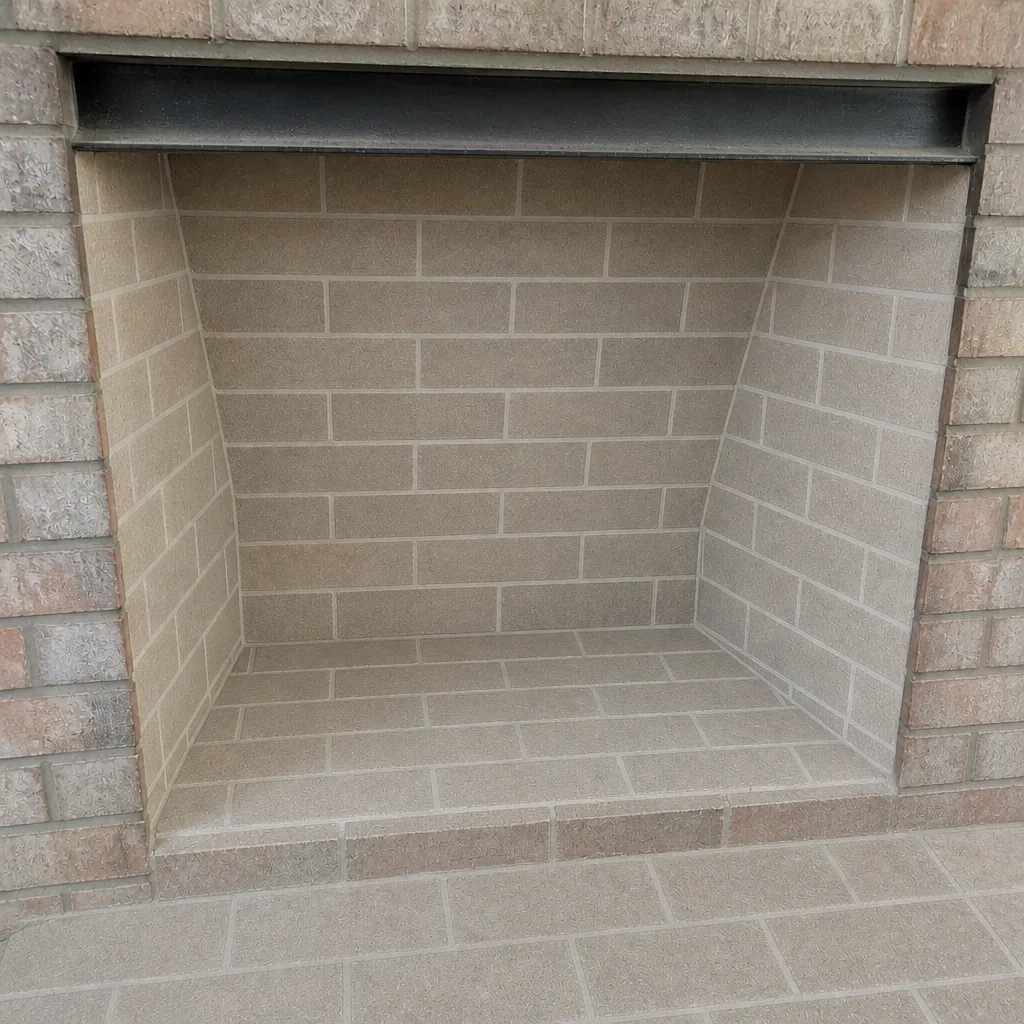 After
When to Call a Professional
Call us when the storm has passed and something on the chimney looks wrong, when the fireplace isn’t drawing like it used to, or when it’s time for the annual sweep and you haven’t had one. Call us when you smell exhaust inside the house with the fireplace running but there’s no gas smell and no CO alarm. Call us if you’ve had a sweep or an inspection from someone else and you’re not sure what they found: a camera inspection and photo report will tell you what’s actually going on and whether any recommended repair is needed now. New Orleans Chimney Cleaning offers free estimates in New Orleans. Estimates are free, and the price is set per job by the written estimate. Call (833) 946-8575. We answer 24/7. Fast dispatch from 7am to 7pm, Sunday through Friday. If a call comes in outside dispatch hours, it’s booked into the next opening.
Frequently Asked Questions
Typical chimney sweep prices in New Orleans depend on the flue configuration, whether a camera inspection is needed, and whether any repair work is identified during the sweep. The written estimate sets the final price, and we don’t quote before seeing the chimney. Call (833) 946-8575 for an exact quote; estimates are free.
Not always. A flue that’s cracked or deteriorating in places but structurally sound can sometimes be restored with HeatShield flue resurfacing rather than replaced outright. A full DuraFlex flexible liner is the right fix when the damage goes deeper than resurfacing can handle. The camera inspection is what tells you which one you’re looking at, and you should see the evidence before any repair is recommended. We won’t recommend a liner you don’t need.
Annual sweeping is the safe baseline for a regularly used fireplace, and in our experience it should land after storm season but before the first fire of the season. Homes that burn frequently during the winter may need more than one sweep a year, depending on what’s coming off the wood. A camera inspection during the sweep tells you if the annual schedule is working.
The worst outcome is a chimney fire or a carbon monoxide problem you don’t notice until it’s serious. Creosote buildup can ignite, and a damaged liner can let exhaust escape into the house. Less dramatic but still real: poor draft, smoke backing into the room, and slow structural damage from water getting in through a damaged crown. Call (833) 946-8575 if it’s been a while and you’d rather know than guess.
It’s a venting problem, not necessarily an emergency, but it needs a professional inspection before you run the appliance again. If there’s no gas smell and no CO alarm, it’s a chimney contractor call: venting components, draft, or a blocked flue. If there’s a gas smell, a CO alarm, or you feel unwell, call your gas company first and get out of the room.
A standard post-storm inspection, including a camera inspection of the flue and a photo report, typically takes under an hour. The important part is the report itself: the photo record and the camera evidence, so you’re not relying on anyone’s word about what’s inside the flue. That report is also what an insurance adjuster needs before a repair can be filed.
The Bottom Line
Chimney emergencies in New Orleans come in two flavors. Storms damage the structure before you use the fireplace, and fires and gas problems happen during use. You can’t prevent the storm itself, but you can prepare for it: the 20-minute ground-level check, dated photos before any repair, the decision tree for the first 24 hours, and the right first call when something goes wrong. You can prevent most of the use emergencies with an annual sweep and a proper inspection. When you get into it and something needs fixing, we do the fix, not just the inspection report. HeatShield resurfacing, DuraFlex liners, Gelco and Olympia Chimney components, Famco venting: professional-grade materials and the skill to install them.
Call (833) 946-8575 for a free estimate. We answer 24/7. Fast dispatch from 7am to 7pm, Sunday through Friday. Estimates are free and the written estimate sets the final price. Get the chimney checked before the season starts and before the next storm, not after.
Written by the team at New Orleans Chimney Cleaning.