
Last updated November 15, 2026
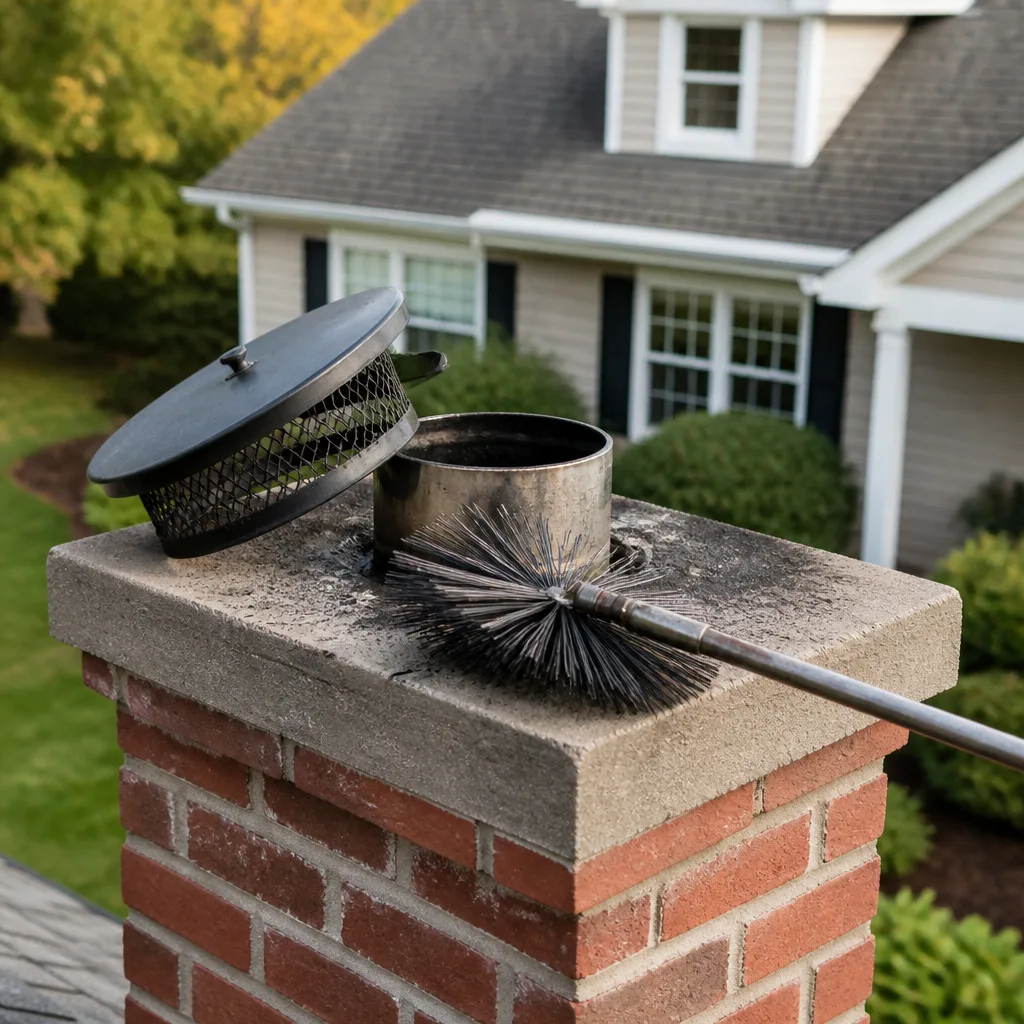 Sweep & inspection
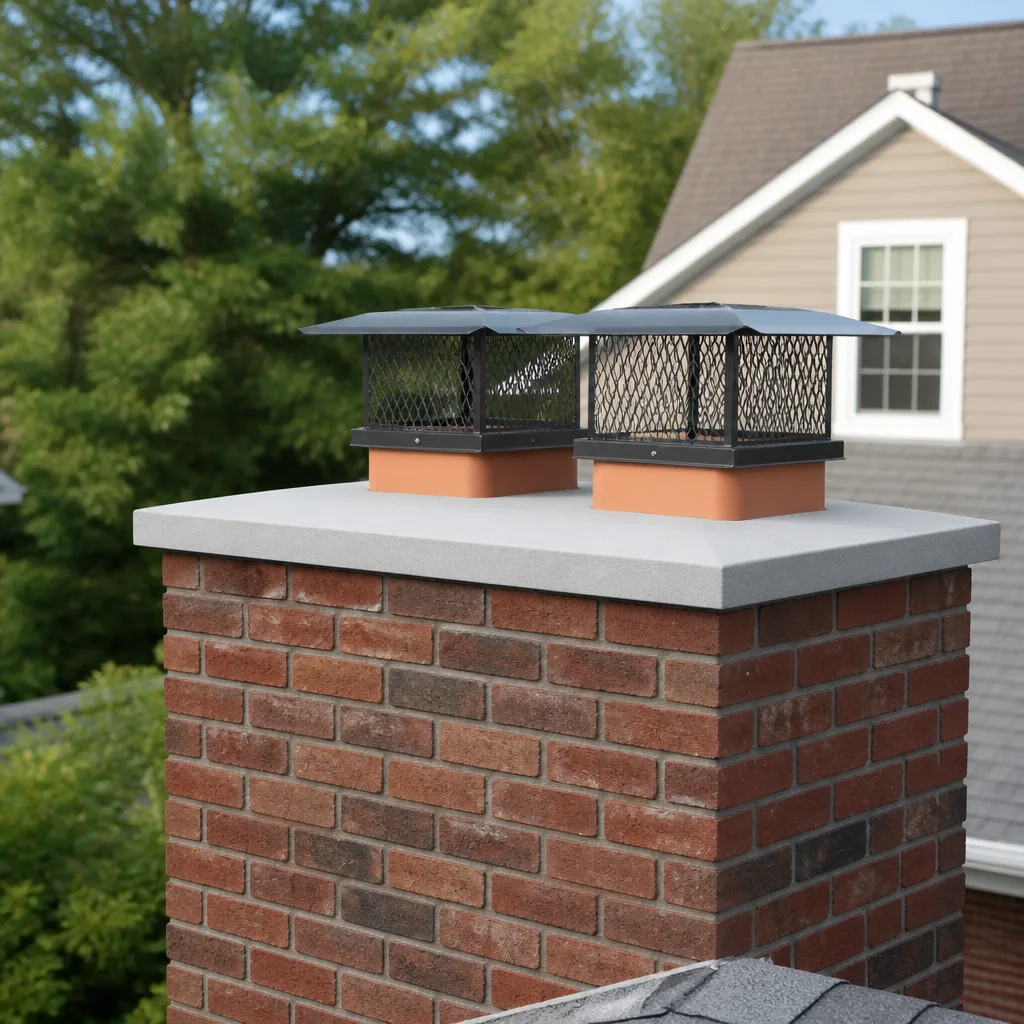 Caps & crowns
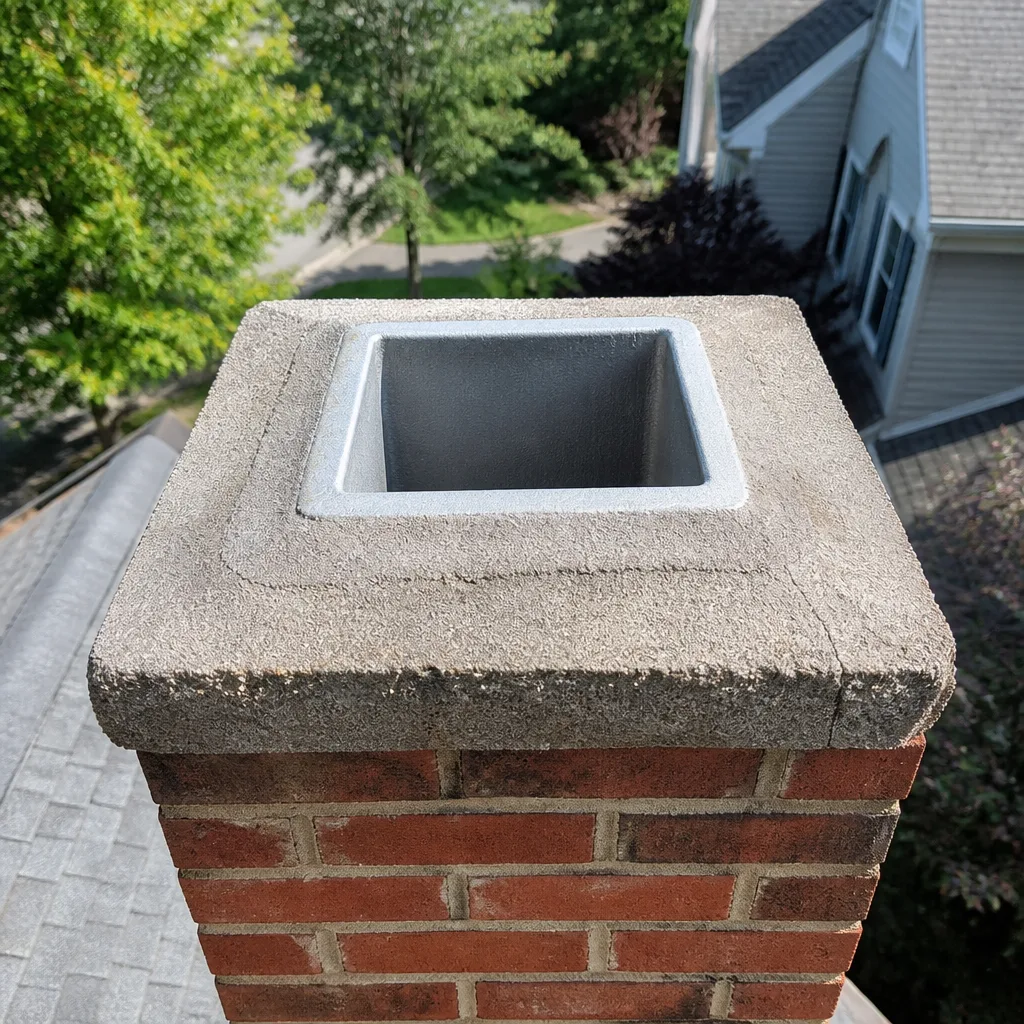 Flue relining
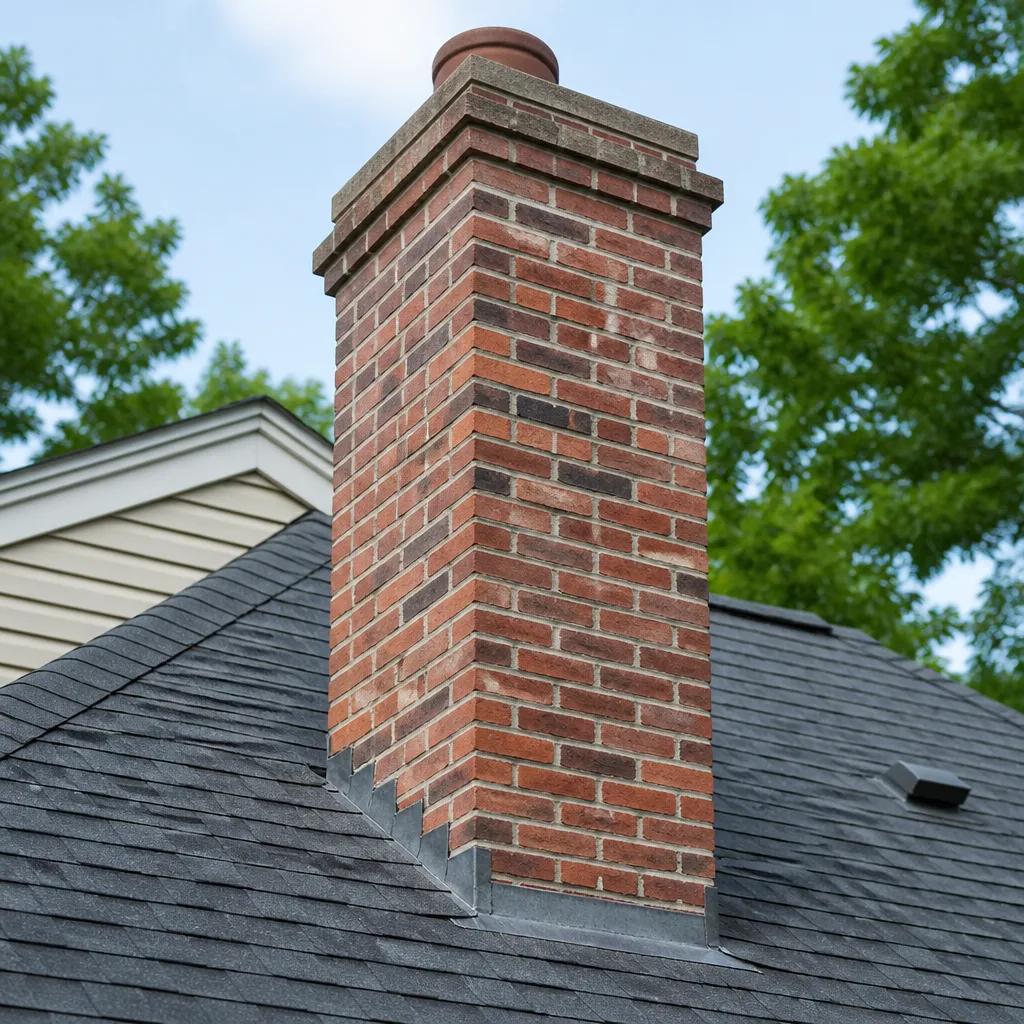 Masonry repair
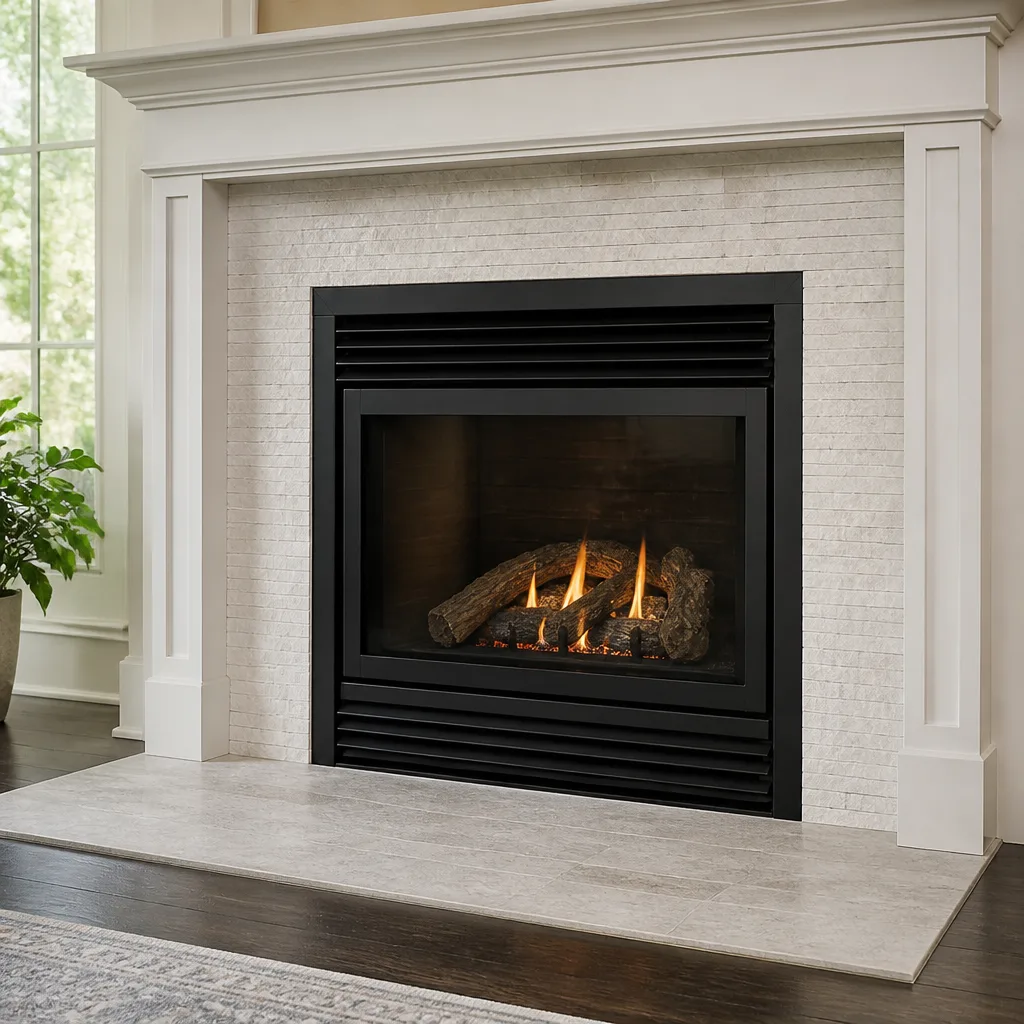 Gas fireplace service
Level 1 sweep and inspection to the NFPA 211 annual standard - flue, crown, cap, and flashing checked and photographed
Chimney sweep logs do not sweep chimneys. They loosen some creosote - which then falls where a brush and vacuum still have to collect it.
Seasonal Chimney Cleaning Care for New Orleans: Year-Round Homeowner’s Guide
Most homeowners here treat the chimney like a seasonal appliance. It gets swept in the fall, used through the few cold stretches we actually get, and then forgotten until the next October. That schedule makes sense in a place with a long hard winter, but it doesn’t fit New Orleans. In our climate, the months your fireplace sits idle are the months when the most quiet damage happens. Heat, humidity, and things that grow in damp masonry don’t take the off-season off. This guide walks through what actually happens inside an unused New Orleans chimney from late spring through early fall, how to time service around our real seasons and storm patterns, why the cap matters more than most people realize, and how the same seasonal logic applies to a dryer vent that’s working harder in the humidity. By the end you’ll have a calendar that fits this city instead of one copied from a cold-climate checklist.
Quick Answer
In New Orleans, a chimney needs attention at least once a year and ideally on a calendar built around our seasons: a pre-burn-season sweep before the first cool-weather fires, a post-storm assessment after hurricane season, and a mid-summer look at the cap and masonry while the flue is idle. The idle months are when humidity and biological growth do structural damage, so “clean in October and forget until spring” leaves the chimney exposed during its most vulnerable stretch. A properly fitted cap and a professional-grade liner or resurfaced flue are what carry a New Orleans chimney through the wet season.
Styles & brands we work with
- Sweep & inspection
- Caps & crowns
- Flue relining
- Masonry repair
- Gas fireplace service
Table of Contents
- What Happens Inside an Unused Chimney From May Through October
- Why the Clean-in-October Schedule Fails in This Climate
- The Role of a Properly Installed Chimney Cap
- How to Time Professional Service Around the Seasons
- Pre-Storm and Post-Storm Chimney Care
- Liners, Resurfacing, and What Repairs Actually Hold Up Here
- Dryer Vent Care in a Humid Climate
- The Rainy Season Nobody Plans For
What Happens Inside an Unused Chimney From May Through October
An idle chimney isn’t resting. It’s a masonry column open to whatever the air is doing, and in New Orleans from May through October the air is hot and loaded with moisture. Warm humid air drifts down the flue and into the firebox, cools against cooler interior surfaces, and condenses. That condensation is where the trouble starts, and it keeps working on the same surfaces for months.
Here’s what we look for when we open up a chimney that’s sat through a full summer:
- Moisture cycling. Masonry absorbs water, holds it, and releases it as conditions change. Repeated wetting and drying stresses the joints between bricks far more than the heat of a fire does.
- Efflorescence. That chalky white staining on brick and mortar is salt pushed to the surface by water moving through the masonry. It’s a visible sign that moisture is traveling where it shouldn’t.
- Mortar erosion. Soft, sandy, or receding mortar joints mean the binder is being washed and worn away. In our humidity the mortar never fully dries, so erosion progresses quietly through the summer.
- Spalling brick. When a brick holds enough water, the face can flake or pop off. A spalled brick is a structurally weaker brick.
- Biological growth. Damp, shaded masonry is a good surface for algae, moss, and mold. Growth itself doesn’t usually destroy brick, but it signals that the masonry is staying wet.
- Pest entry. An uncapped or damaged flue is an open doorway for birds, squirrels, and insects looking for shelter. Nesting material blocks airflow and is a fire load.
None of this announces itself. A homeowner using the fireplace only in the cold months may not think about the chimney once between March and October, and that’s exactly the window when the damage compounds. That’s why a seasonal care plan for a New Orleans home has to treat summer as an active period, not a dead one.
Why the Clean-in-October Schedule Fails in This Climate
The October sweep is a good habit imported from colder regions, where winter is the punishing season and summer is comparatively gentle. Here, it’s close to backwards. The months a cold-climate chimney gets to recover are the months a New Orleans chimney is under the most sustained environmental pressure.
Consider the annual rhythm. Your fireplace gets real use during the cool stretches of late fall, winter, and early spring. Creosote builds up during that burning season, which is why the pre-season sweep is genuinely important. But then the burning stops, and the chimney enters a long idle period where heat and humidity, not fire, are the threat. A schedule that cleans in October and inspects again the following October leaves a full eleven or twelve months between looks, and most of that gap is spent idle in the wet season.
There’s a second local factor: hurricane season. The Atlantic season runs from June through November, and the New Orleans area sits in its path. A single major wind and rain event can undo a year of maintenance. Driving rain can push past a poorly fitted cap, wind can lift or damage a cap entirely, and debris can be driven into the flue or lodge against the masonry. After a storm the roof and flashing are often the first thing inspected and the chimney the last. On a schedule that only reopens the chimney in October, a June or August storm might not be discovered until months later.
In our experience, the chimneys that come through a storm season in the best shape are the ones that had a cap in good repair, a sound liner, and a real inspection before the season started. Those three things are the difference between a chimney that weathers a year of New Orleans weather and one that quietly deteriorates while nobody’s looking.
The Role of a Properly Installed Chimney Cap
If you take one thing from this guide, make it the cap. A chimney cap is a simple fitting, and it does more to protect a New Orleans chimney through the idle months than almost any other component. It’s the lid on a column that’s otherwise open to rain, wind, animals, and airborne debris.
A properly installed cap does several jobs at once:
- Keeps rain out. Driving rain entering the flue is the leading source of the moisture that drives efflorescence, mortar erosion, and spalling. A cap with a solid top and screened sides sheds water away from the flue opening.
- Blocks animals and debris. The side screening keeps birds, squirrels, and insects from nesting in the flue. Nests block the draft and add a fire load right where you don’t want one.
- Reduces downdrafts. A good cap helps steady the draft, which matters for how cleanly the fireplace draws when you do burn.
- Keeps sparks in. The screen contains embers and sparks at the top of the flue.
Where caps go wrong is in the fitting. An undersized or loose cap rattles in wind and lets rain in around its edges. A cap attached with the wrong setup can pull free in a strong storm. We install caps as part of the professional-grade venting we bring to a job, including Copperfield and Olympia Chimney components, so the cap fits the flue it’s protecting and holds up through hurricane season. Checking the cap is one of the first things a proper sweep covers, because a cap that’s failed is often the root of the moisture problems the owner is seeing inside.
During the idle months, a cap inspection is a quick, high-value check. If a storm has lifted, dented, or loosened the cap, you want to know before the next rain event, not in October when you go to light the first fire.
How to Time Professional Service Around the Seasons
A care calendar for a New Orleans chimney tracks three fixed points and one floating one. The fixed points fall before the burn season, after storm season, and mid-summer. The floating point is the inspection that follows any significant storm. Here’s how we’d lay it out for a typical home that uses its fireplace regularly.
- Late summer to early fall – pre-burn-season sweep. Before the first cool-weather fires, get the flue swept and inspected. This clears the creosote from the prior burning season and confirms the liner, cap, and masonry are sound going into the burn season. Doing this before you need the fireplace means any repair gets handled on your schedule, not in a rush.
- Mid-summer – idle-season check. While the fireplace is quiet, have the cap, crown, and visible masonry checked for moisture damage and storm wear. Catching efflorescence or softening mortar in July gives you time to repair before the fall.
- After any major storm – post-storm assessment. Following a significant wind and rain event, have the chimney checked for a displaced cap, cracked crown, damaged flashing, or debris in the flue. This is the step most homeowners skip, and it’s the one that catches storm damage while it’s still small.
- Pre-storm prep before the season peaks. Before hurricane season gets going, make sure the cap is secure and the crown and flashing are in good repair, so the chimney is ready for what the season brings.
- Annually, in the fall – dryer vent cleaning alongside the chimney sweep. The two systems share a fire-risk profile, and timing both to the same visit keeps the calendar simple.
The point of the calendar isn’t busywork. It’s that each visit catches a different failure mode: creosote from burning, moisture damage from the idle months, and storm damage from the season. A single annual visit can’t cover all three in a climate that has all three.
Pre-Storm and Post-Storm Chimney Care
Hurricane season is the biggest single variable in the New Orleans chimney calendar, and it’s the reason a once-a-year schedule doesn’t hold up here. The season runs June through November, which overlaps almost the entire idle period. That overlap is the core of the problem: the chimney is least protected, and most exposed to storms, at the same time.
Before a storm. The prep is mostly about making sure the chimney’s defenses are in place. Check that the cap is secured and not already loose. Confirm the crown, the masonry cap at the top of the chimney, is intact, since a cracked crown lets water straight into the structure. Look at the flashing where the chimney meets the roof, because a storm can turn a small flashing gap into a leak. If any of this is in doubt, have it looked at before the season peaks rather than during it.
After a storm. The assessment should cover the cap (lifted, dented, missing), the crown (cracked or broken), the masonry (spalled or shifted), the flashing (pulled away or leaking), and the flue itself (debris driven in, water inside). Storm-driven rain can carry water deep into masonry, and that water keeps working on the chimney long after the storm has passed. Catching it early is what keeps a storm from undoing maintenance that was already done.
The reason this matters for a New Orleans home is simple: the region sees enough storm activity that a pre-season prep and a post-storm look are part of a normal care year, not an emergency extra. In a quieter year, those checks are quick. In a busy one, they’re the difference between a chimney that came through fine and one that spent the fall quietly taking on water.
Liners, Resurfacing, and What Repairs Actually Hold Up Here
A sweep finds problems; the question is what actually fixes them. In a humid climate, the repair has to account for moisture, not just the fire side of the flue. That’s where the choice of materials matters, and it’s where we lean on professional-grade products rather than whatever a big-box store happens to carry.
The two main paths for a deteriorating flue are resurfacing and relining, and they fit different situations.
- Resurfacing with a HeatShield ceramic system. When the flue is cracked or the mortar joints have eroded but the structure is otherwise sound, a ceramic resurfacer can restore the flue’s interior surface without a full reline. HeatShield is an EPA-recognized ceramic repair system, and the big advantage of resurfacing is that it can resolve a deteriorating flue short of full replacement. Ask whether your chimney qualifies as an alternative to a full reline.
- Relining with a DuraFlex flexible liner. When resurfacing isn’t sufficient, or the flue needs a new continuous liner, a flexible stainless liner like DuraFlex gives the flue a sealed, durable path for the exhaust. This is the repair that holds up when a masonry flue is genuinely compromised and needs a full liner.
- Venting and components with professional brands. Caps, crown work, and venting components from established manufacturers such as Olympia Chimney and Copperfield are what keep the whole system sound, not just the interior of the flue.
What matters most in this climate is that the flue ends up sealed against moisture. A liner that lets damp air reach the masonry, or a resurfaced flue that isn’t properly finished, will surrender to humidity no matter how well the fire side is handled. The repair we recommend is the one that closes the flue to moisture and holds up through the wet season, not the one that looks quickest. In our experience, the difference between a repair that lasts and one that fails is usually the material and the fit, and that’s a case where the professional-grade product earns its place.
The other thing worth saying plainly: chimney repair and sweep are part of the same service with us, so anything a sweep turns up can be addressed without scheduling a second contractor. Structural issues found during a cleaning don’t get handed off with a checklist. We carry the fix, not just the inspection report.
Dryer Vent Care in a Humid Climate
The fireplace gets the attention, but the other fire-risk source in a home behaves differently in a humid climate too, and it deserves the same seasonal thinking. A dryer vent moves hot, moist air from the dryer to the outside. When lint accumulates in the vent, the dryer’s moist exhaust saturates it, and in New Orleans humidity that lint doesn’t dry out. Damp lint is heavier, mats together more tightly, and restricts airflow further, which raises the heat in the vent. That combination is why a dryer vent here needs attention on schedule, not just when the dryer starts feeling slow.
The signs a vent needs cleaning are worth knowing:
- Clothes take longer than they used to dry, or need a second cycle.
- The dryer or the laundry area feels hot to the touch.
- The exterior vent flap doesn’t open fully, or lint is visible around it.
- A burning or musty smell in the laundry area during a cycle.
Annual dryer vent cleaning fits naturally into the same calendar as the chimney sweep, and doing both in one visit covers the two most common residential fire-hazard sources at once. The other piece of this is the vent’s termination. Where the vent exits and how it’s fitted matters as much as how clean the inside is; proper termination and airflow depend on the right components, which is why we use professional venting parts like Famco on the dryer side of the job.
The seasonal rule for a New Orleans home is straightforward: don’t wait for a slow dryer. Summer humidity makes lint buildup worse, so getting the vent cleaned before the dense, humid months is easier than cleaning out months of damp lint in the fall.
The Rainy Season Nobody Plans For
There’s a subtlety to the New Orleans climate that catches people out: the wet season coincides with the warmth, not with the cold. In a colder region the rain and the freeze come together, and the damage is dramatic and visible. Here, rain arrives warm, and the damage it does is slow. A chimney can be taking on water all summer and show almost nothing on the outside until a crack widens or a mortar joint finally gives.
That’s the argument for treating the idle season as a maintenance window rather than dead time. A mid-summer look at the cap, crown, and flashing is a small job. Letting water move through masonry for a full warm season is not. The same applies to the flue itself: a sealed, well-lined, well-capped chimney sheds our summer moisture. A chimney that’s open to the weather absorbs it, and the repairs that follow are larger than the check that would have caught the problem.
For a chimney in a New Orleans home, the honest framing is this: the climate here doesn’t give a chimney a break, so the care plan can’t give it one either. The idle months are the test. A cap that’s sound, a liner that’s sealed, and a calendar that looks at the chimney more than once a year are what pass that test. If you’d like a second opinion on how your own chimney is set up for the season ahead, chimney sweep and inspection are the place to start, and the assessment will tell you honestly what needs attention now and what can safely wait.
Common Mistakes to Avoid
- Cleaning once a year and calling it done. A single fall sweep misses the storm damage and moisture problems that build through our long idle season. Look at the chimney more than once a year.
- Skipping the post-storm check. After a significant storm the roof gets inspected and the chimney gets forgotten, even though a lifted cap or cracked crown is exactly the kind of damage a storm leaves behind.
- Running without a proper cap. An open flue is an open door for rain, animals, and debris. In this humid climate, a missing or loose cap is one of the most expensive things to ignore.
- Ignoring efflorescence and soft mortar. White staining and crumbly joints are early warnings of moisture damage. Treating them early is far cheaper than correcting them after a structural repair is needed.
- Treating the dryer vent as a minor chore. Damp lint in a humid climate burns hotter and mats tighter. A slow dryer is a signal, not a quirk.
- Letting a repair be “recommended” without proof. Any recommendation should come with camera inspection and a photo report you can see for yourself. Nothing should be pushed on a homeowner without visible evidence.
- Assuming a big-box part is a professional fix. Caps, liners, and venting components from a general retailer don’t hold up like the professional-grade materials a chimney specialist carries. The material and the fit are what make a repair last here.
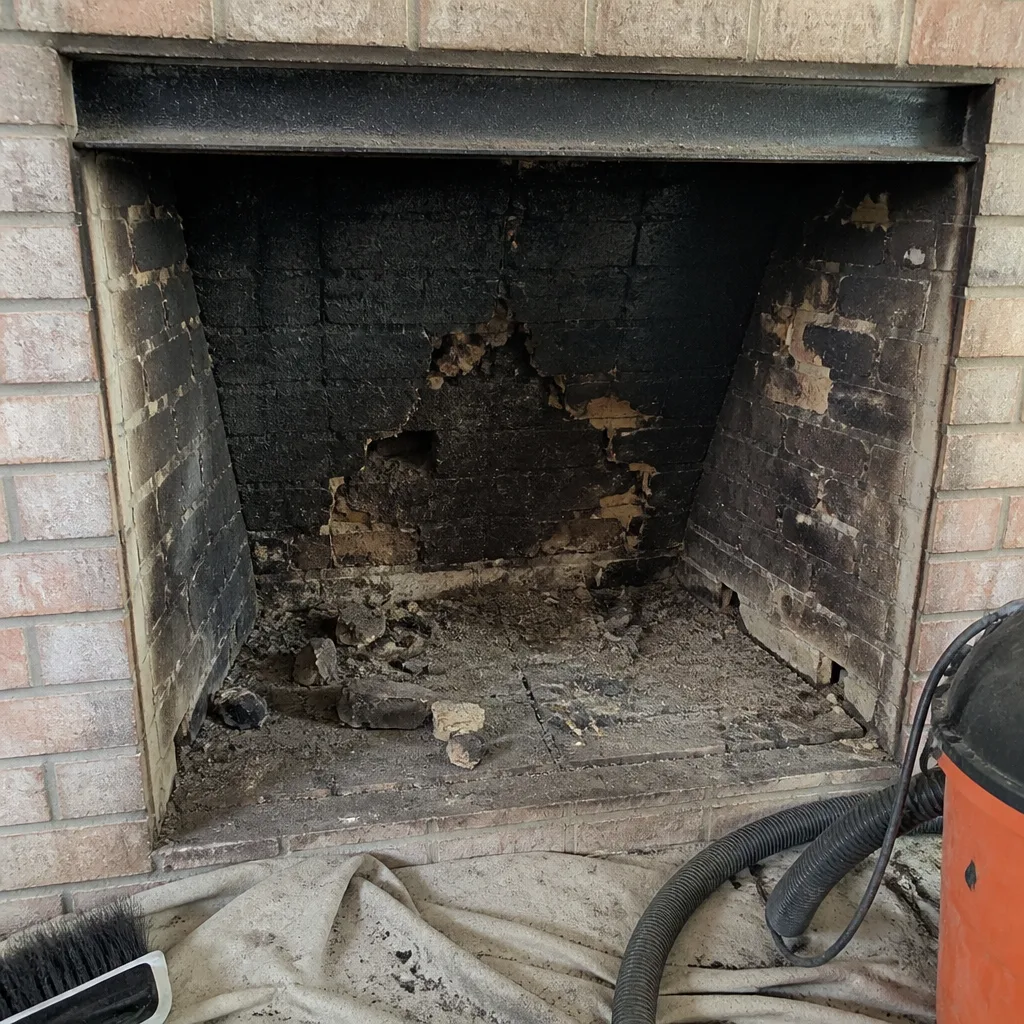
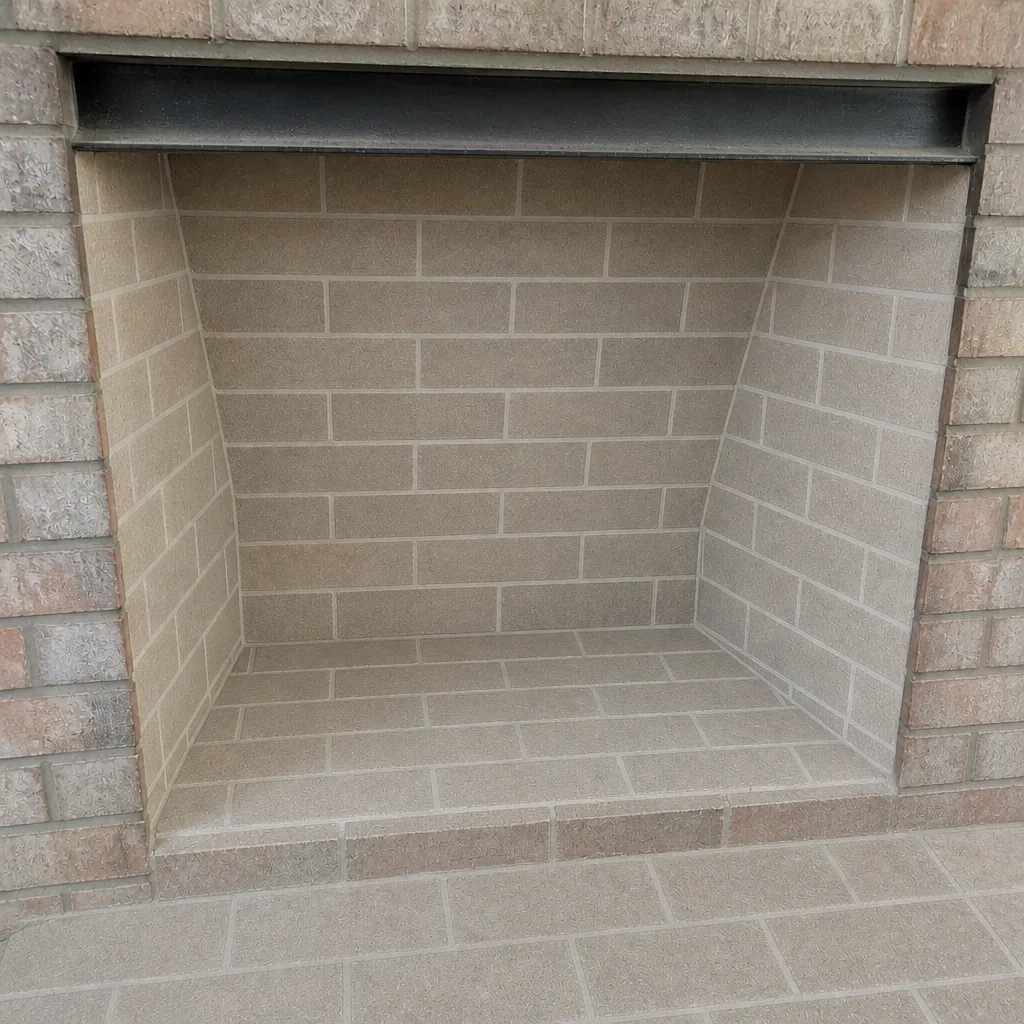
See the difference
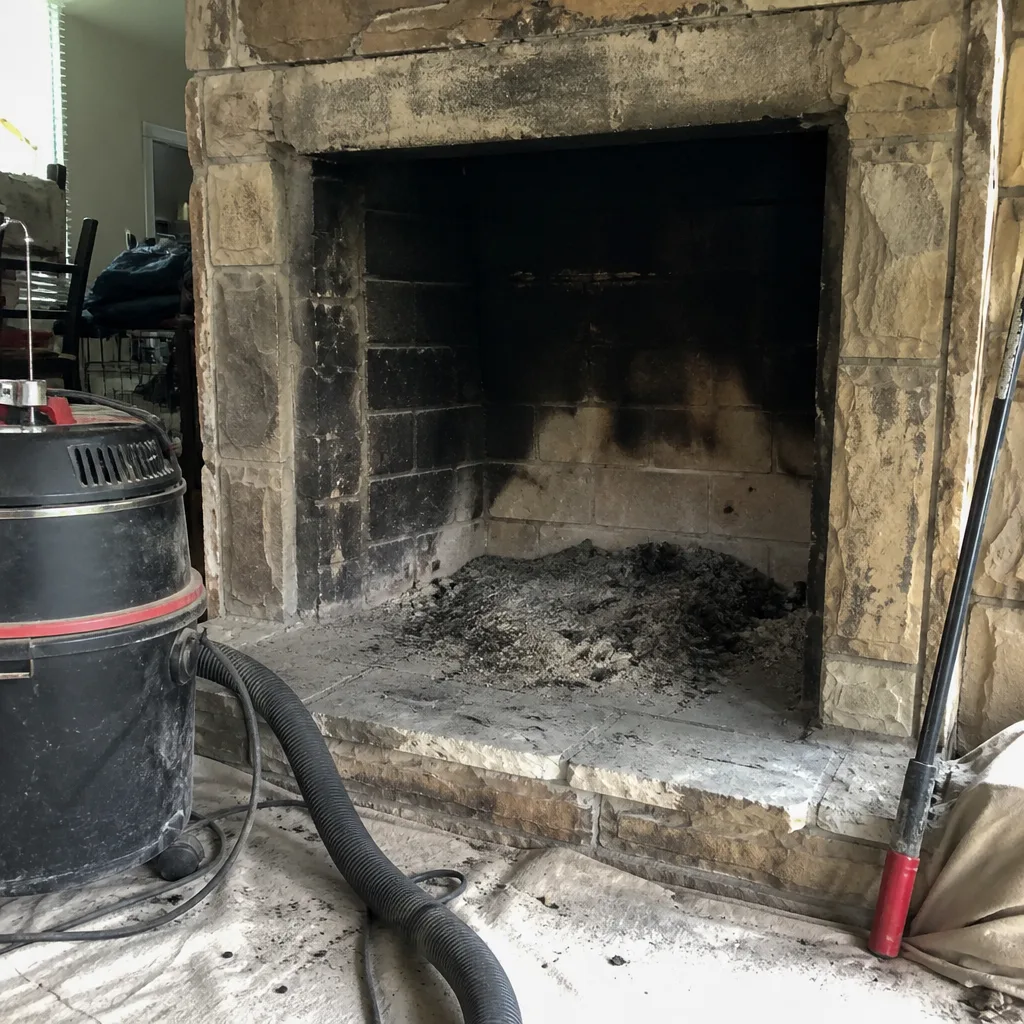 Before
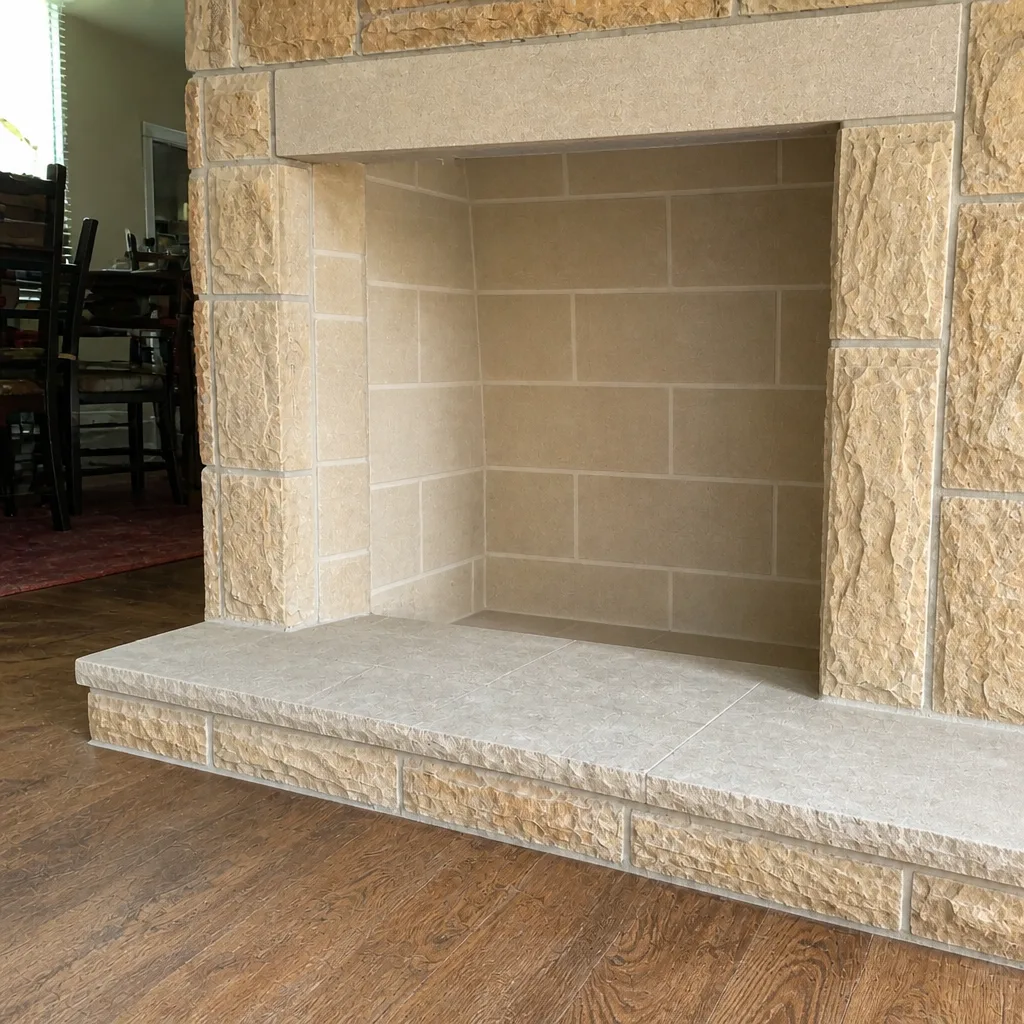 After
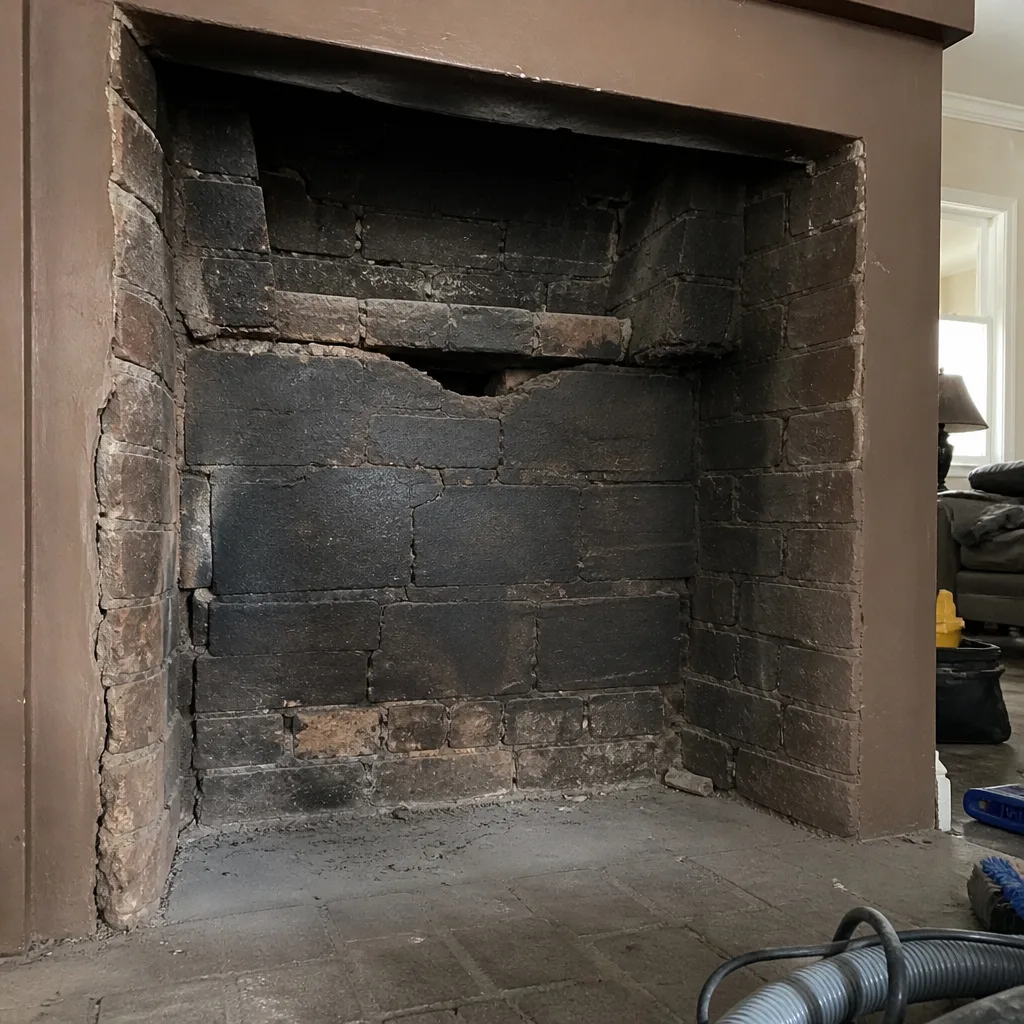 Before
 After
 Before
 After
When to Call a Professional
Some chimney work is routine and scheduled; some of it needs a call. Get a professional involved if you haven’t had the flue swept or inspected in over a year, if you’ve burned through a full season since the last cleaning, or if you see or smell any sign of a problem: chalky staining or crumbly mortar on the inside of the flue, a cracked or loose cap, water in the firebox, or a dryer that’s taking noticeably longer to do its job. After any significant storm, have the cap, crown, and flashing checked before you burn again. And if you’ve been told a repair is needed and you can’t verify why, get a second look with a camera inspection and a photo report you can see for yourself. New Orleans Chimney Cleaning offers free estimates in New Orleans, and we’ll tell you plainly what needs attention now and what can wait. Call (833) 946-8575. We answer 24/7. Fast dispatch from 7am to 7pm, Sunday through Friday.
Frequently Asked Questions
At least once a year for a home that uses its fireplace regularly, and the visit is best placed before the burn season so the flue is clear going into the cold months. Because of the long humid idle period and hurricane season, we also recommend a mid-summer look at the cap, crown, and masonry, plus a post-storm check after any significant event. That puts two to three points of contact a year, which is what our climate actually asks for. Call (833) 946-8575 for an exact assessment – estimates are free.
Because the biggest threat here isn’t the fire, it’s the moisture in the nine months the fireplace sits idle. Warm, humid air condenses in the flue, water moves through the masonry, and mortar and brick degrade quietly through the summer. A storm can add to that in a single day. One annual sweep can’t catch storm damage that happens between visits, so a calendar built around our seasons protects the chimney better than a cold-climate schedule does.
Yes, and it’s one of the highest-value things you can add to a New Orleans chimney. A properly fitted cap keeps rain out of the flue, blocks birds and debris, contains sparks, and helps steady the draft. In a climate with warm, wet air and hurricane-season downpours, a sealed cap is the first line of defense against the moisture damage that drives most of the repair work we see. If your cap is missing, loose, or dented, it’s worth having it looked at soon.
Late summer into early fall, before the first cool-weather fires, is the best time for the main sweep and inspection. A mid-summer check covers the idle season, and a post-storm assessment after any significant weather event addresses the hurricane-season variable. Timing service to those points means repairs happen on your schedule rather than in a rush when you want to use the fireplace. Call (833) 946-8575 to book the visit that fits your calendar – estimates are free.
Yes. A dryer vent moves hot, moist exhaust, and in New Orleans humidity the lint in the vent stays damp, which makes it heavier, tighter, and more of a restriction. Restricted airflow raises the heat in the vent, which is exactly the condition you don’t want. An annual dryer vent cleaning, timed with the chimney sweep, keeps the vent flowing and covers the other common fire-risk source in the home.
It depends on the chimney, and that’s the honest answer. Some chimneys come through a season with only minor needs. Others quietly take on water through a loose cap or a crack and end up needing a resurfaced flue or a full reline that a mid-season check would have caught early. The risk isn’t one dramatic event, it’s damage that builds while nobody’s looking. If you’ve been told you need work, ask to see the camera inspection and the photo report; nothing should be recommended on the strength of a verbal claim. Call (833) 946-8575 if you’d like a second opinion – estimates are free.
The Bottom Line
New Orleans is not a cold-climate city, so it shouldn’t get a cold-climate chimney calendar. The idle months are when moisture, biological growth, and hurricane-season storms do their quiet damage, and a single October sweep leaves that entire window unaddressed. Build a year that covers three things: a pre-burn-season sweep and inspection, a mid-summer check on the cap, crown, and masonry, and a post-storm assessment after any significant weather. Keep a sound cap on the flue and a sealed liner or properly resurfaced flue behind it, and treat the dryer vent as part of the same fire-safety calendar. Our team handles chimney sweep, chimney repair, and dryer vent cleaning together, so one call covers both hazards, and we carry the fix rather than just the inspection. If you’re in New Orleans and want to set up a care plan for the season ahead, New Orleans Chimney Cleaning is ready to help. Call (833) 946-8575 for a free estimate. We answer 24/7. Fast dispatch from 7am to 7pm, Sunday through Friday.
Written by the team at New Orleans Chimney Cleaning.