
Last updated November 15, 2026
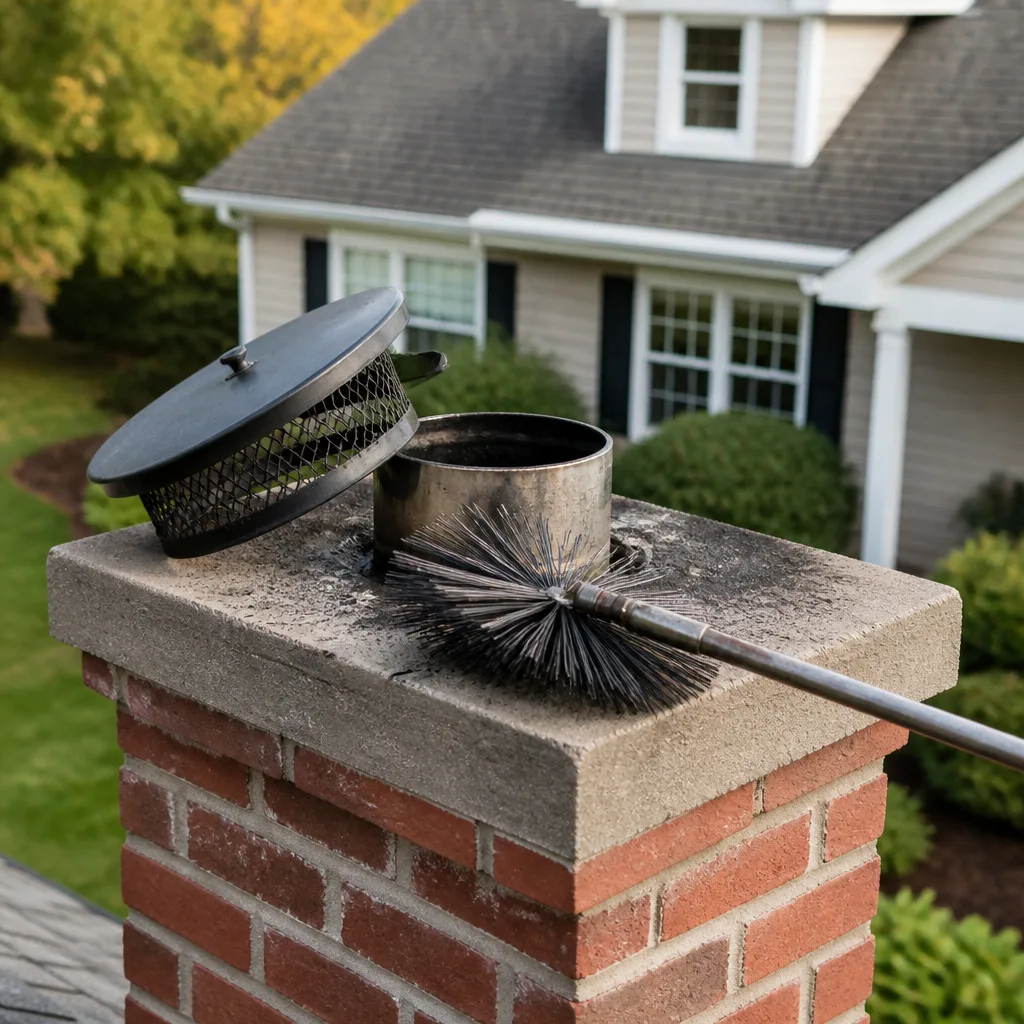 Sweep & inspection
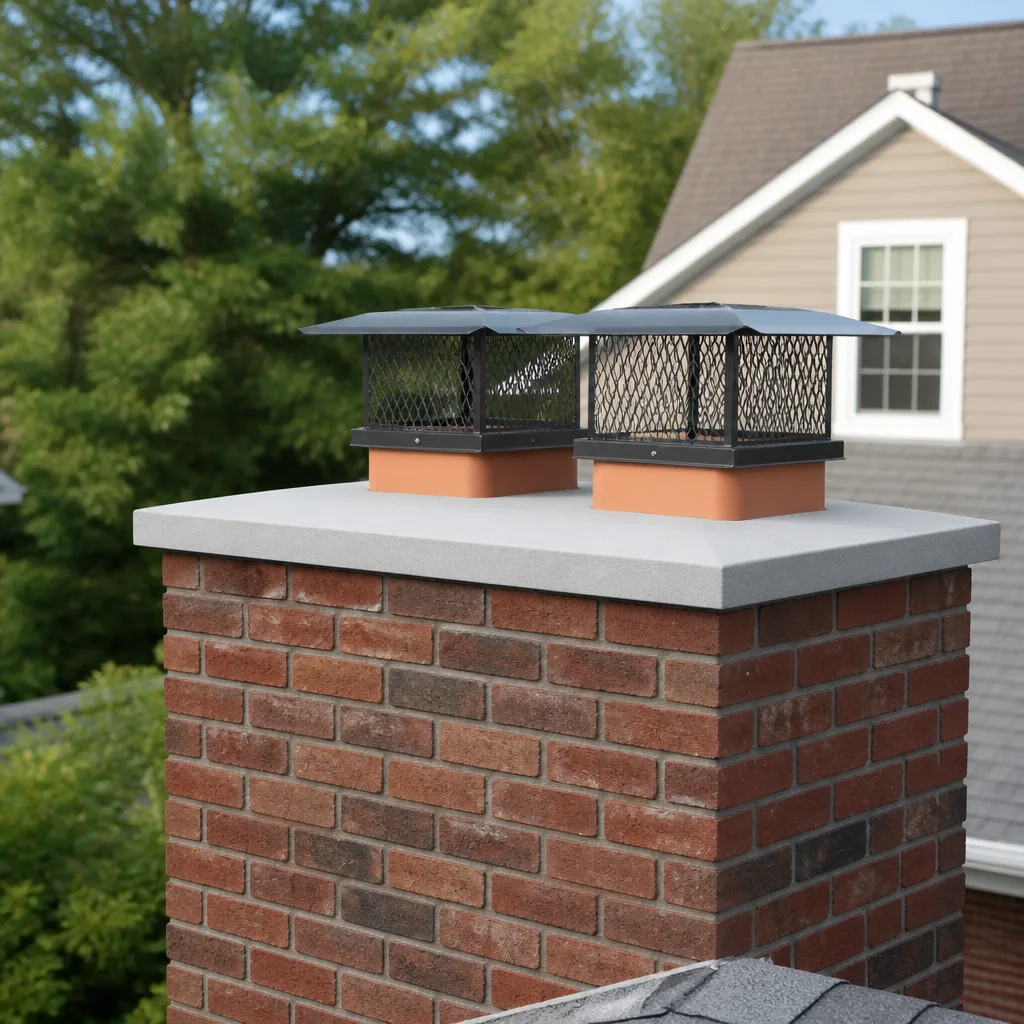 Caps & crowns
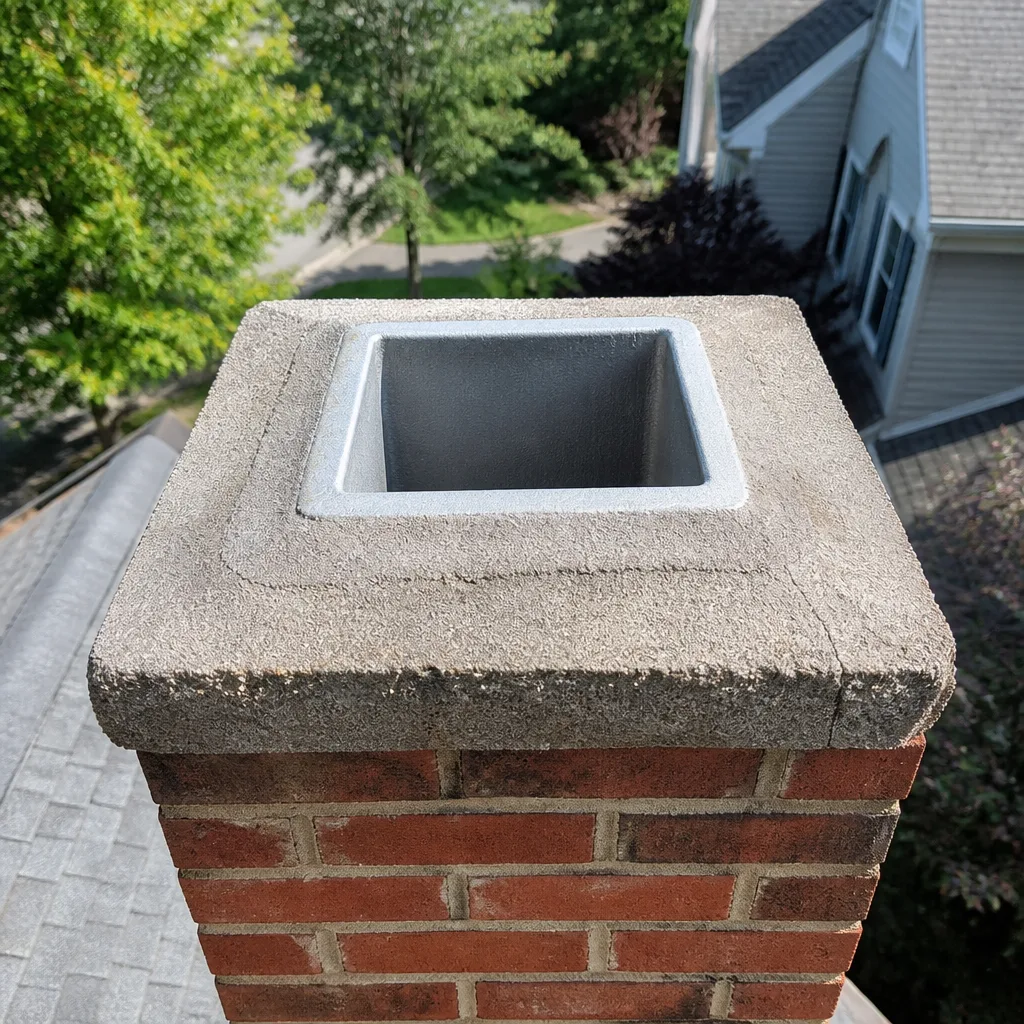 Flue relining
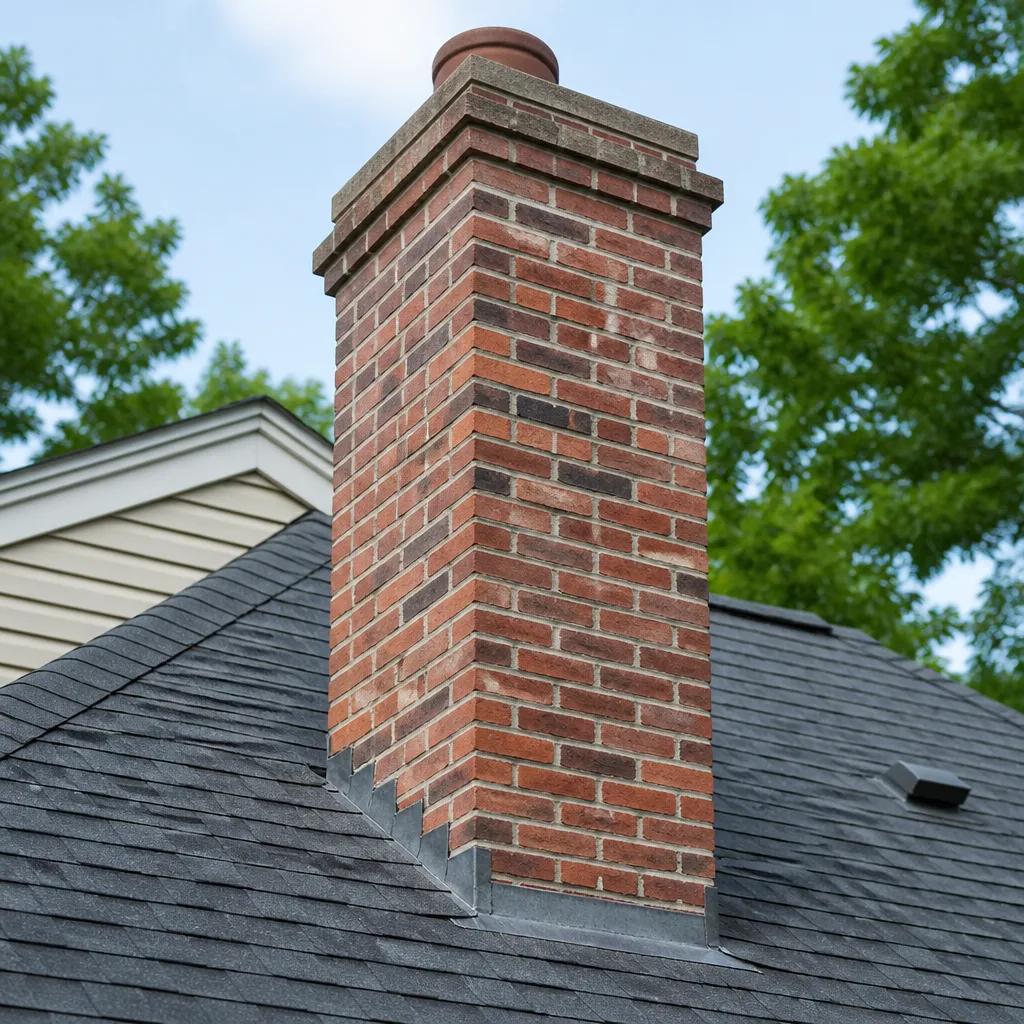 Masonry repair
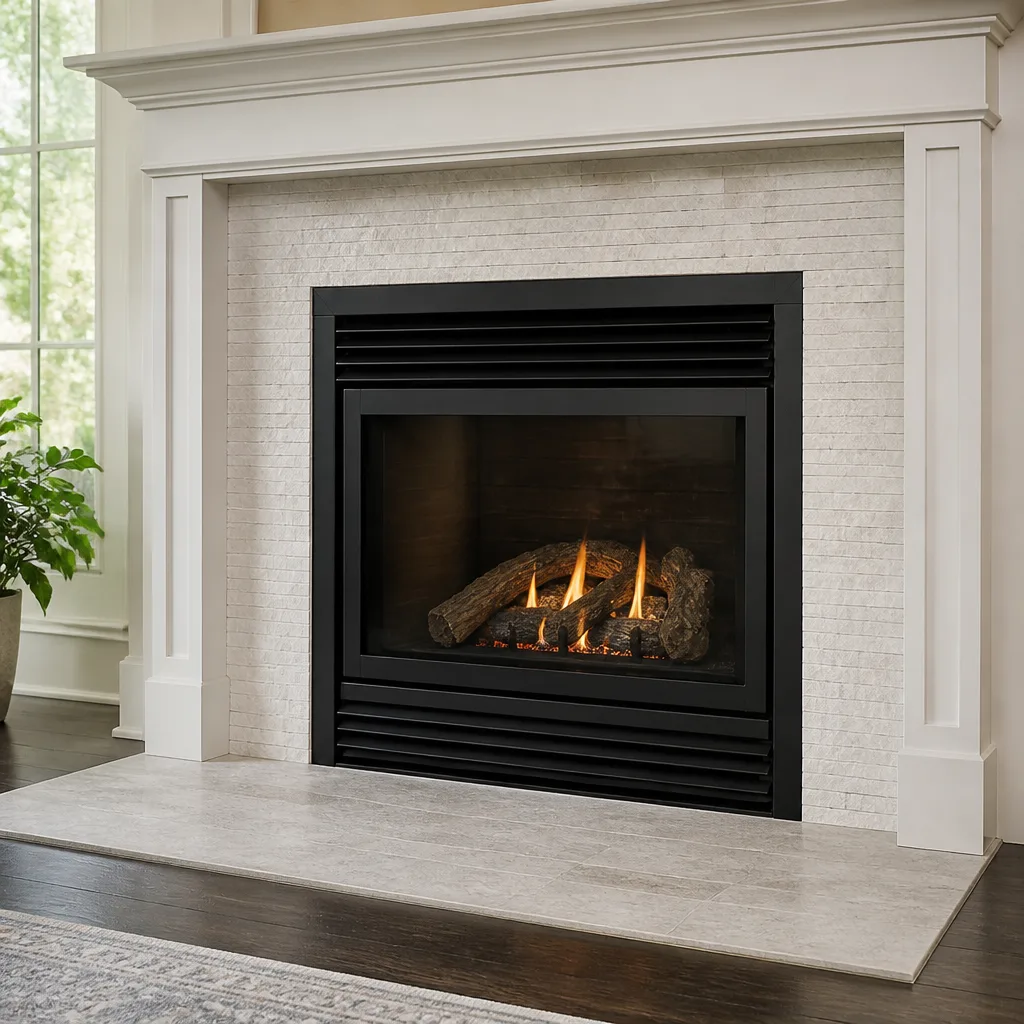 Gas fireplace service
Level 1 sweep and inspection to the NFPA 211 annual standard - flue, crown, cap, and flashing checked and photographed
Chimney sweep logs do not sweep chimneys. They loosen some creosote - which then falls where a brush and vacuum still have to collect it.
Chimney Sweep Maintenance Checklist for New Orleans Homeowners
The standard “clean before winter” chimney advice was written for Chicago and Boston. Following it here means you’re doing maintenance at exactly the wrong time of year. In New Orleans, the chimney season runs alongside hurricane season, not ahead of a hard freeze. The stress on a chimney in this city comes from wind-driven rain, weeks of heavy humidity, and the long stretch when a fireplace sits unused while the roof above it takes a beating. What follows is a maintenance checklist built around those two real seasons: pre-hurricane prep and post-storm inspection, with the routine annual tasks fitted in where they actually belong.
Quick Answer
A New Orleans chimney maintenance checklist should center on two events: a pre-hurricane-season inspection before June and a post-storm inspection after any named storm passes, whether or not you burned a fire. Between those, monthly ground-level visual checks and one annual professional sweep keep the flue, cap, crown, and flashing sound. Documentation matters as much as the cleaning here, because insurance claims and Louisiana home-sale disclosures both depend on records you keep.
Styles & brands we work with
- Sweep & inspection
- Caps & crowns
- Flue relining
- Masonry repair
- Gas fireplace service
Table of Contents
- Why Chimney Maintenance in New Orleans Follows a Different Calendar
- Pre-Hurricane Season Checklist: What to Check Before June
- Post-Storm Inspection Checklist: What to Look For After a Named Storm
- Monthly Visual Checks You Can Do From the Ground
- Annual Tasks: What a Certified Sweep Does vs. What You Can Handle
- Documentation Checklist for Insurance and Home Sales
- When to Schedule Your Annual Sweep in New Orleans
- Don’t Forget the Dryer Vent in Your Maintenance Plan
Why Chimney Maintenance in New Orleans Follows a Different Calendar
Most national chimney advice assumes a cold winter and a deep spring thaw. That rhythm doesn’t fit New Orleans. The real threats here are high wind, torrential rain, and sustained humidity. A masonry chimney in this climate lives with moisture far more than it lives with freezing temperatures. Water that gets behind a crown or into a flashing seal doesn’t freeze and split the brick; it sits there and works on the mortar joints and the interior flue lining, slowly, season after season.
That changes the priority order. In cold climates, the annual sweep is often the headline task. In New Orleans, the headline tasks are the ones that keep water and wind out: the cap, the crown, the flashing where the chimney meets the roof, and the top damper if you have one. A clean flue matters, but a clean flue on a chimney with a cracked crown is a job half done.
There’s a second reason the calendar shifts. New Orleans homes are often older, and older chimneys have seen many hurricane seasons. A chimney that survived a storm last year may have a hairline crack in the masonry or a loosened flashing seal that won’t show up until water stains the ceiling during the next heavy rain. The pre-season inspection is how you catch those before they turn into an interior repair.
We don’t just clean – we assess, repair, and restore. That matters here because the seasonal inspection naturally surfaces the small structural issues that this climate produces. We carry the fix, not just the inspection report, so a crack found in June doesn’t require a second contractor in August.
Pre-Hurricane Season Checklist: What to Check Before June
Hurricane season in the Atlantic basin runs June 1 through November 30. Before it starts, a New Orleans chimney should be checked for the specific vulnerabilities that high wind and driving rain exploit first. These are the components most likely to fail under storm conditions:
- Chimney cap integrity. The cap and its spark arrestor screen are the first line of defense. A rusted, loose, or missing cap lets rain straight down the flue and lets birds and debris in. Check that it’s securely attached and that the screen mesh isn’t torn.
- Crown condition. The crown is the concrete or mortar top that sheds water away from the chimney walls. A cracked or crumbled crown channels water into the masonry instead of away from it. This is one of the most common pre-season findings in New Orleans, and one of the most important to fix before the rains arrive.
- Top damper function. A top-sealing damper sits at the chimney crown and seals the flue when the fireplace isn’t in use. It keeps rain, humidity, and downdrafts out. Make sure it opens and closes fully and seats flush. A top damper that won’t seal is a direct path for storm-driven water.
- Flashing seal. The flashing is the metal where the chimney meets the roof. Wind flexes the roof, and over time the sealant around the flashing cracks. Once it does, water gets behind it and into the attic and ceiling. This is the item most often overlooked and most often implicated in interior water damage.
- Masonry and mortar joints. Look for loose bricks, spalling faces, or crumbling mortar, especially on the windward side of the chimney. A professional inspection can probe these properly.
- Liner condition. A cracked clay tile liner or a deteriorated flue lining is a fire hazard that a storm can worsen. If you haven’t had the flue inspected, do it before the season, so you’re not discovering a problem mid-storm.
If a flue has cracks or a deteriorating lining, HeatShield ceramic resurfacing can restore it without the cost of a full reline. It’s a repair option most sweep-only competitors can’t offer, and asking whether you qualify is worth doing during the pre-season inspection.
Post-Storm Inspection Checklist: What to Look For After a Named Storm
After any named storm passes, inspect the chimney even if you never lit a fire. Wind and rain don’t need a burning fireplace to cause damage. A single sustained gust can loosen a cap, lift flashing, or open a mortar joint. Here’s what to check, inside and out:
Outside, from the ground and from a safe vantage
- Cap and spark arrestor: still attached, screen intact, no new rust or bending.
- Crown: new cracks, missing chunks, or a visible tilt.
- Flashing: lifted edges, gaps, or loose sealant where the chimney meets the roof.
- Masonry: fresh cracks, displaced bricks, or mortar dust on the roof or ground below.
- Chimney leaning: even a slight new lean is worth a professional look, because it can signal a structural issue at the base or roofline.
Inside the house
- Water stains or damp patches on the ceiling or walls near the chimney chase.
- Musty odors coming from the fireplace or flue when the system is closed.
- A damper that suddenly sticks, won’t seat, or feels loose.
- Any debris, soot, or grit that has fallen into the firebox.
If you see water intrusion or a structural change, don’t burn until a professional inspects it. Storm damage can compromise the flue liner or the masonry in ways that aren’t visible from either side of the wall. This is exactly the kind of follow-up a chimney sweep visit should include, because a post-storm call isn’t just a cleaning; it’s an assessment.
Monthly Visual Checks You Can Do From the Ground
You don’t need to climb anything to keep an eye on your chimney. A short monthly walk-around, done from ground level with binoculars if you have them, catches most developing problems early. Get in the habit of doing it the same time each month, and after any heavy rain event.
- Look at the cap and crown from a distance. A cap that’s tilted or a crown with visible cracks shows up from the yard.
- Scan the roofline where the chimney meets the roof. Flashing that has lifted or lost its sealant is often visible from a distance as a dark gap or exposed metal.
- Check the ground and roof below the chimney. Fresh mortar crumbs, brick dust, or bits of masonry on the roof or in the yard mean the chimney is shedding material.
- Walk the interior perimeter. Look at the ceiling and walls near the chimney chase for any discoloration, especially after heavy rain.
- Smell the firebox. A strong musty or smoky odor from an unused fireplace can mean moisture is getting into the flue.
- Test the damper. Open and close it fully to make sure it operates smoothly.
What you should never do from the ground is guess. If something looks off, note it and describe it when you call. A photo taken from the yard can help a professional understand what you’re seeing. Monthly checks are about catching changes early, not about diagnosing them yourself.
Annual Tasks: What a Certified Sweep Does vs. What You Can Handle
Some yearly chimney tasks are safe for a careful homeowner. Others should only be done by a trained professional, especially anything involving the flue interior, the roof, or structural masonry. Here’s a clean split:
Tasks a handy homeowner can safely handle
- Monthly ground-level visual checks (as above).
- Cleaning the firebox of ash and debris between burns.
- Testing the damper operation each month.
- Keeping the area around the fireplace clear of combustible items.
- Confirming the cap screen isn’t blocked by leaves or debris, using binoculars from the ground.
- Keeping records of dates and findings for your file.
Tasks that require a professional sweep
- The annual flue cleaning and inspection. This is the core of chimney maintenance, and it’s not a do-it-yourself job. The flue interior, the liner, and the smoke chamber need proper tools and training to inspect and clean without damage.
- Any roof-level inspection, including the cap, crown, and flashing.
- Masonry repair, crown rebuilding, or flashing re-sealing.
- Liner assessment and any relining work. If a liner is deteriorated, DuraFlex flexible liner systems are the professional-tier approach to a full reline when resurfacing isn’t sufficient.
- Top damper repair or replacement.
Masonry and flue work are genuinely dangerous to attempt without training. A fall from a roof or a misjudged repair to a flue liner can cause injury or create a fire hazard that’s worse than the one you started with. When in doubt, a professional look is the safer call. Our technicians have up to 14 years of experience assessing exactly these conditions in New Orleans homes.
Documentation Checklist for Insurance and Home Sales
Paperwork is part of chimney maintenance, and in Louisiana it matters more than most homeowners realize. If a storm damages your chimney, your insurer will want to know its condition before the storm. If you sell your home, Louisiana property disclosure requirements mean you’ll need to disclose known defects, and having maintenance records makes that conversation far easier. Keep the following in a single folder, paper or digital:
- Inspection reports. Every professional inspection, dated, with findings noted.
- Sweep records. The date of each annual cleaning and who performed it.
- Repair invoices and warranties. Crown repairs, flashing re-sealing, liner work, cap replacement. Keep the material brand noted (for example, HeatShield, DuraFlex, Gelco, or Copperfield) and any warranty documentation.
- Photos. Ground-level photos of the chimney before and after storm season each year. These are invaluable for insurance claims because they establish pre-storm condition.
- Storm-related notes. If a named storm passes and you have the chimney inspected, keep that report even if no damage was found. It documents that the chimney was sound at that point.
- Dryer vent cleaning records. Separate from the chimney, but keep these too, since dryer vents are a fire risk and a disclosure item.
The point of documentation isn’t bureaucracy. It’s leverage. When an insurer questions whether damage predated a storm, dated records and photos answer the question. When a buyer’s inspector flags the chimney, a maintenance file showing a sound, professionally serviced system is the best evidence you can have. Build the habit now, before you need it.
When to Schedule Your Annual Sweep in New Orleans
In cold-weather cities, the sweep goes on the calendar in early fall, before the first fire. In New Orleans, the better timing is often late spring, before hurricane season, so the inspection doubles as pre-storm prep. If you use your fireplace regularly during the cooler months, add a sweep after the burn season as well.
The general rule of thumb in the trade is to have the chimney swept annually, and more often if you burn frequently or burn wood that produces heavy creosote. Creosote is the combustible residue that builds up on flue walls, and it’s the fuel for chimney fires. A professional sweep removes it and, just as importantly, inspects the flue while doing so.
Here’s a sensible annual rhythm for a New Orleans home:
- Late spring (before June): pre-hurricane inspection of cap, crown, flashing, top damper, and liner. Schedule the sweep now if the flue needs cleaning.
- After any named storm: post-storm inspection, inside and out.
- After burn season: sweep and inspect the flue if you’ve been burning regularly.
- Monthly, year-round: ground-level visual checks.
If you’re not sure when your last sweep was, that’s a sign to book one. A flue that hasn’t been looked at in a few years is a genuine unknown, and this climate doesn’t let a chimney sit quietly. A professional assessment is cheap compared with the alternative. For homeowners in New Orleans, this combined prep-and-sweep visit is the most efficient way to cover both seasons in a single appointment.
Don’t Forget the Dryer Vent in Your Maintenance Plan
A complete fire-safety maintenance plan for a New Orleans home covers more than the fireplace. The dryer vent is the other common residential fire-hazard source, and it’s often ignored until a dryer starts taking two cycles to dry a load. Lint buildup restricts airflow, and restricted airflow is what turns a routine appliance into a risk.
Dryer vent cleaning is a named, dedicated service for us, not an upsell tacked onto a sweep. That matters because proper vent work is about more than pulling lint out of the duct. It’s about checking the termination, the run of the duct, and whether airflow is actually moving the way it should. We work with Famco venting components, which signals proper termination and airflow work rather than a surface-level lint removal.
Fold the dryer vent into the same calendar as the chimney: add it to your annual task list, check it after storm season if the vent run exits through an exterior wall, and watch for the warning signs between cleanings. A dryer that runs hot, takes longer than it used to, or leaves clothes damp at the end of a cycle is telling you the vent needs attention. One call covers your fireplace flue and your dryer vent – both are fire hazards, both deserve professional attention. Scheduling dryer vent cleaning alongside your chimney sweep keeps both systems on the same maintenance rhythm.
Common Mistakes to Avoid
- Following northern chimney advice on a New Orleans calendar. The “clean before winter” rule of thumb misses the real risk window here. Build your schedule around hurricane season and post-storm inspection instead.
- Skipping the post-storm inspection because you didn’t use the fireplace. Wind and rain don’t care whether you burned a fire. Damage happens to idle chimneys too, so inspect after every named storm.
- Ignoring the flashing until water shows up inside. Flashing is the most common source of chimney-related water damage, and it’s easy to overlook because it fails quietly. Check it as part of pre-season prep.
- Assuming a clean flue means a sound chimney. Cleaning addresses creosote and soot. It doesn’t fix a cracked crown, a loose cap, or a deteriorated liner. Ask for a full inspection, not just a sweep.
- Climbing the roof yourself. Roof-level inspection and masonry work are dangerous for untrained homeowners. A fall or a bad repair creates a bigger problem than the one you were checking on.
- Throwing away inspection reports. In Louisiana, records matter for insurance claims and home-sale disclosures. Keep every report, invoice, and photo.
- Treating the dryer vent as an afterthought. It’s the other common residential fire-hazard source. Add it to the annual maintenance plan rather than waiting for a symptom.
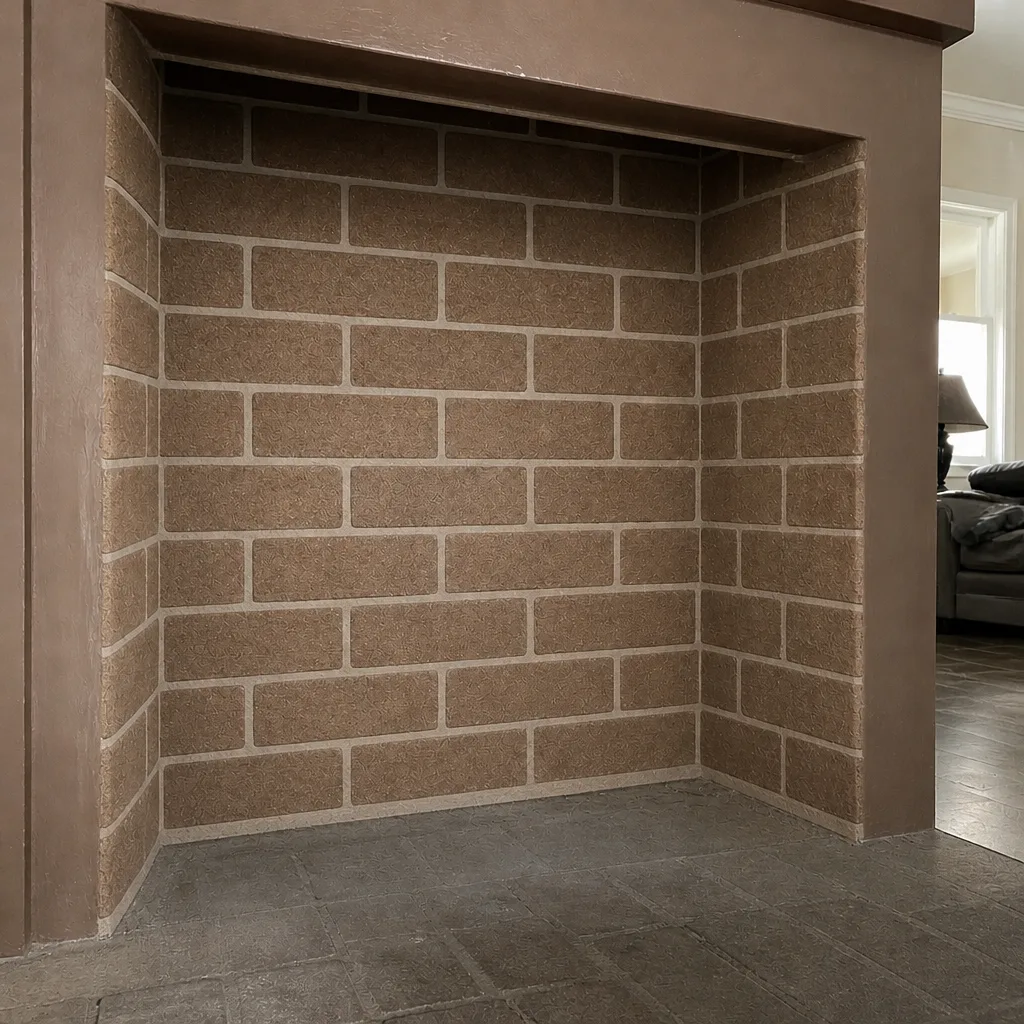
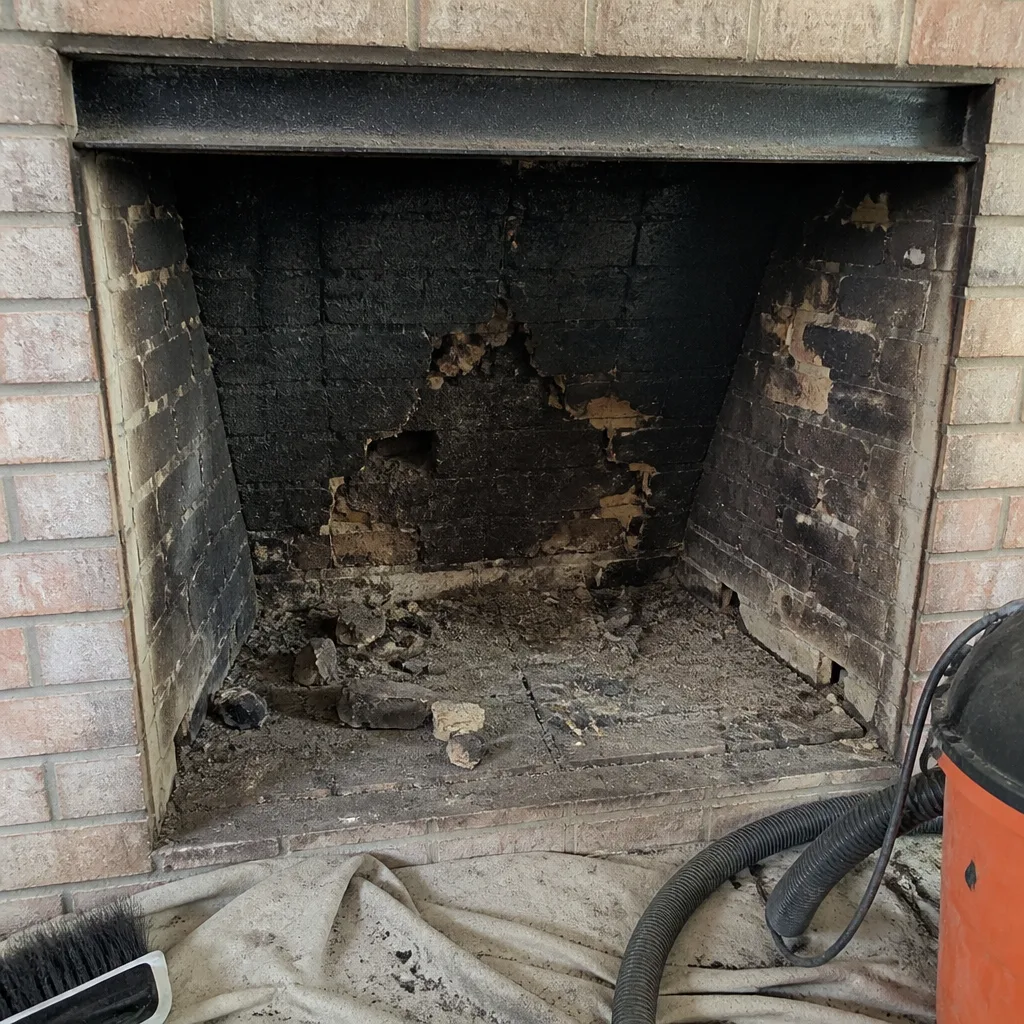
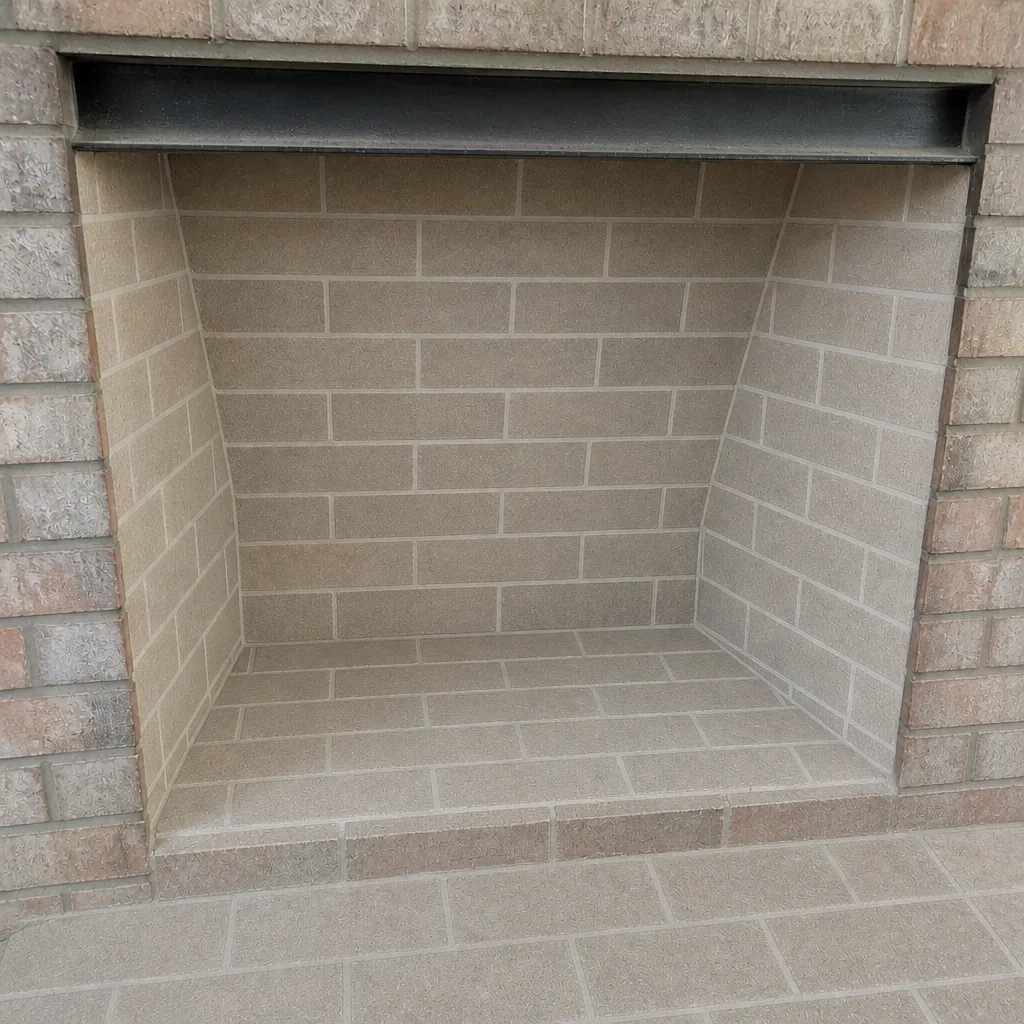
See the difference
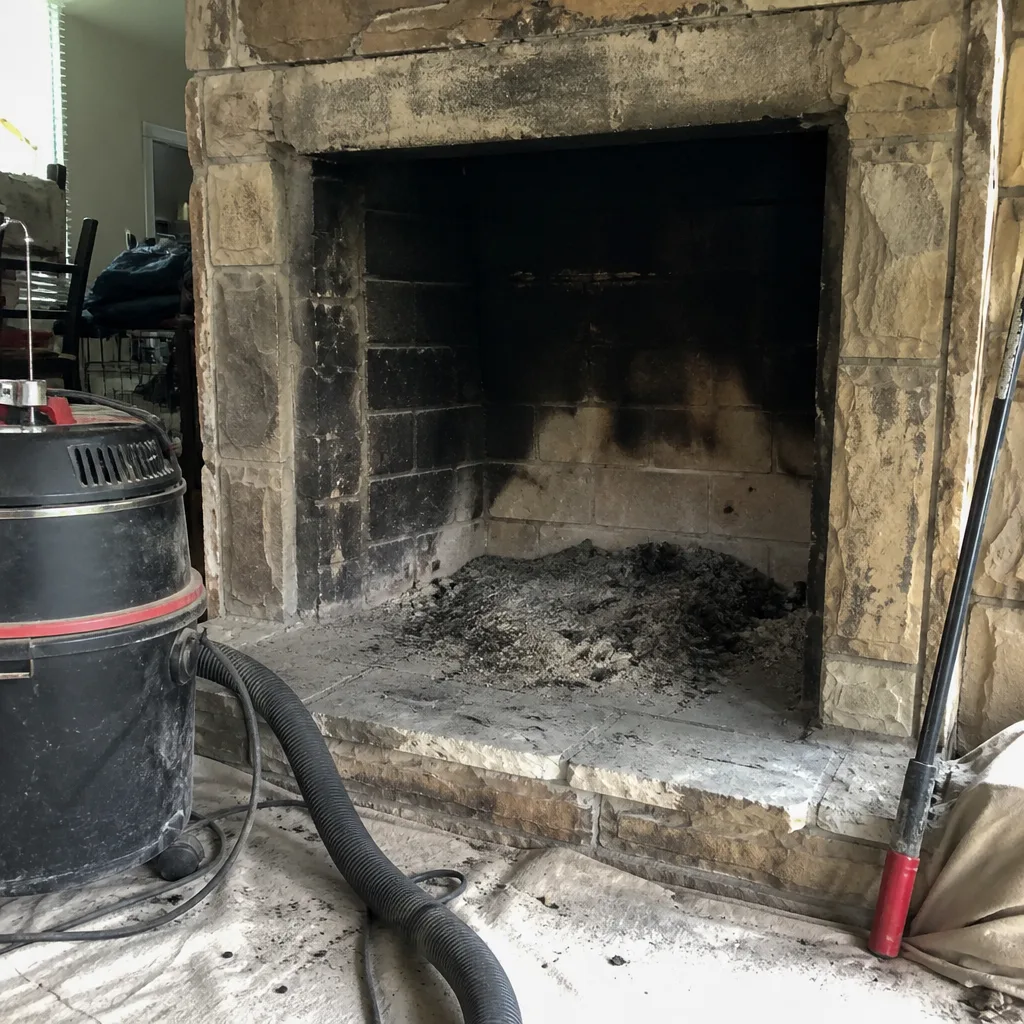 Before
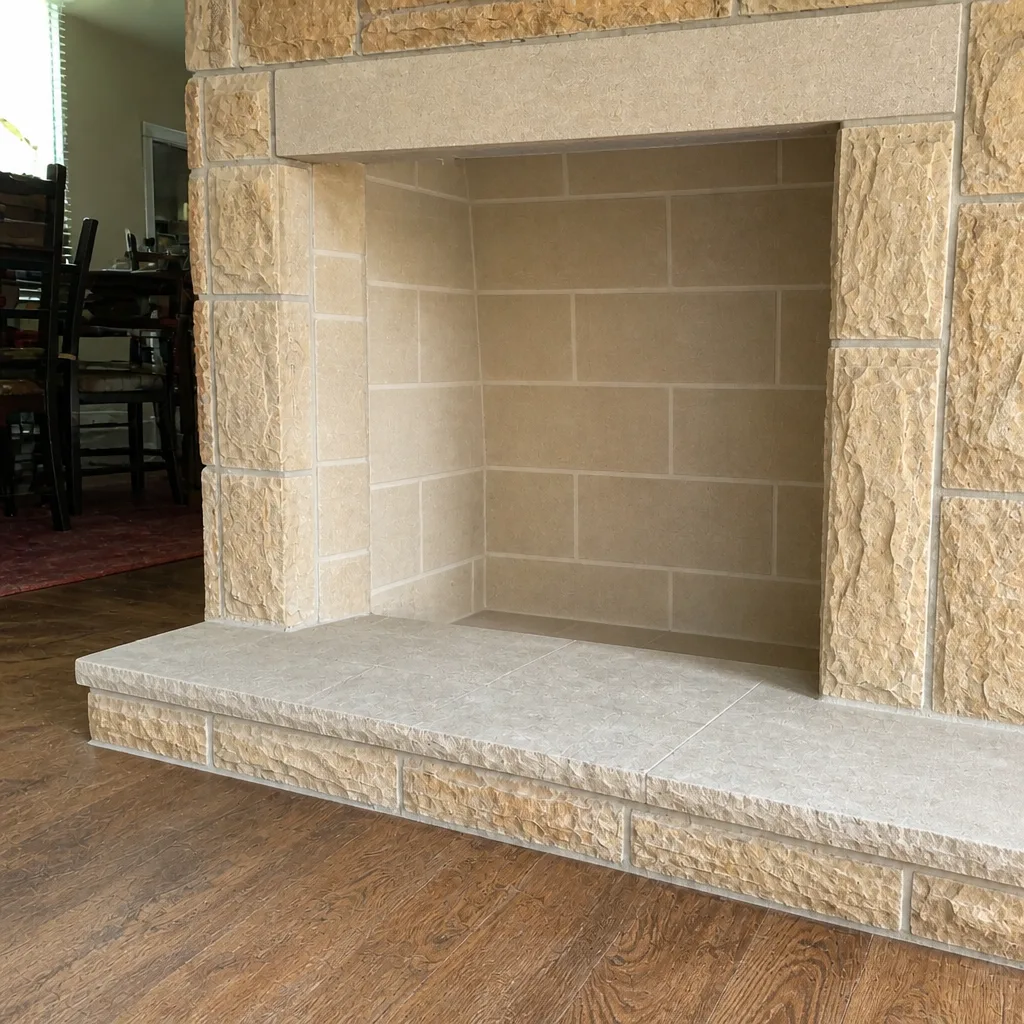 After
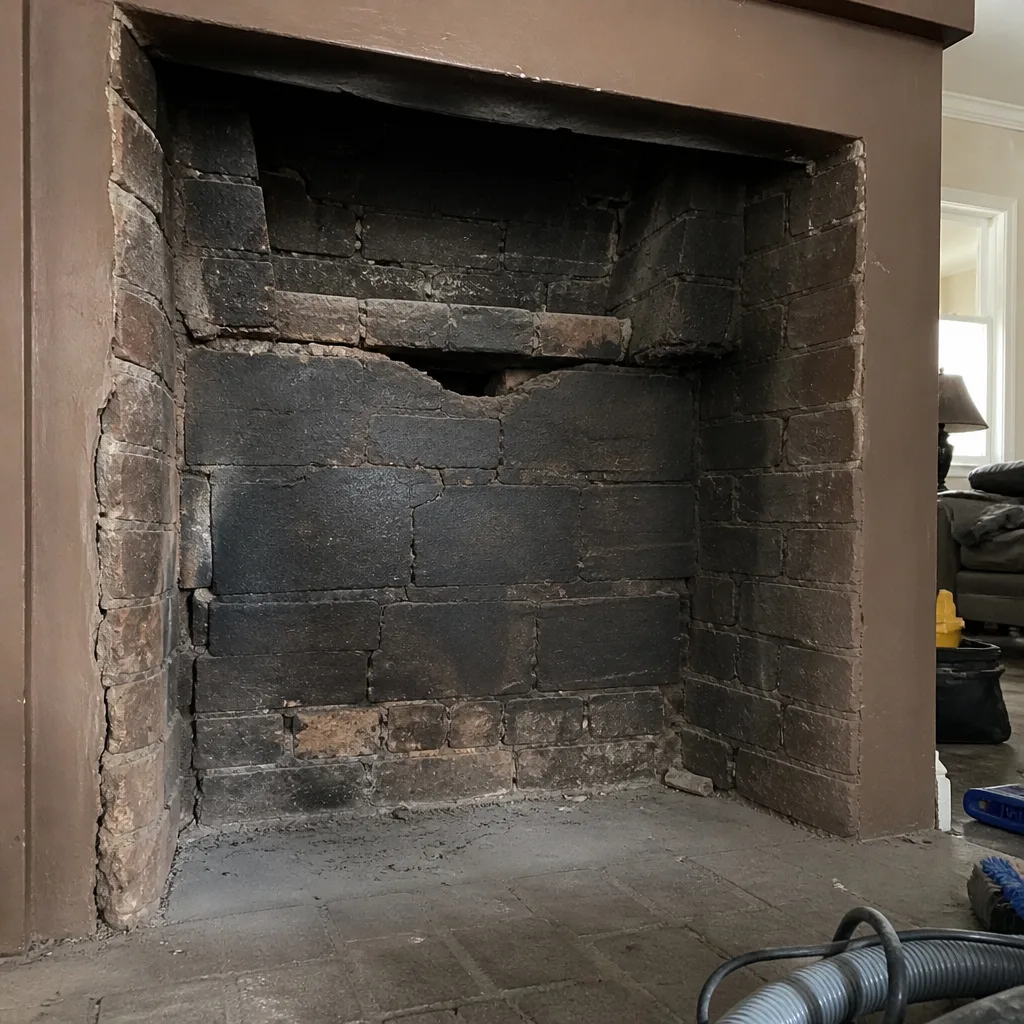 Before
 After
 Before
 After
When to Call a Professional
Call a professional when you find water intrusion near the chimney chase, when a storm has passed and you see a changed cap, crown, or flashing, or when your damper stops sealing properly. Call if you smell a musty or smoky odor from an unused firebox, if the flue hasn’t been inspected in a few years, or if you’re buying a home with an older chimney and no maintenance records. Call before lighting a fire after any storm that may have affected the roof or the chimney. And call if you simply don’t know the last time the flue was swept, because an uninspected flue is an unknown risk. New Orleans Chimney Cleaning offers free estimates in New Orleans – call (833) 946-8575.
Frequently Asked Questions
A New Orleans chimney should be swept at least once a year, and more often if you burn fires regularly or notice heavy creosote buildup. The best timing here is a combined pre-hurricane inspection and sweep in late spring, plus a post-storm check if a named storm passes. Call (833) 946-8575 for a free estimate on a sweep and inspection.
Yes. Storm damage comes from wind and rain, not from the fire, so an idle chimney can still take on a loosened cap, lifted flashing, or a newly opened mortar joint. A post-storm inspection checks the cap, crown, flashing, and flue interior for exactly these changes. Call (833) 946-8575 to book one after the next storm.
It should include a pre-hurricane inspection of the cap, crown, top damper, flashing, and liner; a post-storm inspection inside and out; monthly ground-level visual checks; an annual professional sweep; documentation of every inspection and repair; and dryer vent cleaning folded into the same annual plan. Call (833) 946-8575 for a free estimate covering the chimney and vent.
Yes, but only the ground-level portion. Monthly visual checks from the yard, cleaning the firebox between burns, testing the damper, and keeping records are all safe homeowner tasks. Roof-level inspection, flue cleaning, masonry repair, flashing work, and liner assessment should only be done by a trained professional. Call (833) 946-8575 when it’s time for the professional portion.
Keep dated inspection reports, sweep records, repair invoices and warranties with the material brand noted, ground-level photos of the chimney before and after each storm season, post-storm inspection reports, and dryer vent cleaning records. These documents establish your chimney’s condition for insurers and for Louisiana property disclosure. Call (833) 946-8575 to schedule the inspection that starts the file.
No. A deteriorating masonry flue can often be restored with HeatShield ceramic resurfacing instead of a full liner replacement, which is a repair option many sweep-only companies can’t offer. When resurfacing isn’t sufficient, a DuraFlex flexible liner system handles the full reline. Ask us whether you qualify for resurfacing during the inspection – call (833) 946-8575 for a free estimate.
The Bottom Line
The chimney maintenance calendar that works in Chicago doesn’t work in New Orleans. Here, the year is built around hurricane season, not a hard freeze. A pre-season inspection of the cap, crown, top damper, and flashing catches the issues wind and rain exploit. A post-storm inspection catches what a named storm leaves behind, even on a chimney you never used. Monthly ground-level checks and one annual professional sweep fill in the rest, and a documentation file protects you for insurance and home sales. The dryer vent belongs on the same plan, because it’s the other common fire-hazard source. We don’t just clean – we assess, repair, and restore.
If you’d like a maintenance plan built for your chimney and your vent, call New Orleans Chimney Cleaning at (833) 946-8575 for a free estimate. We answer 24/7. Fast dispatch from 7am to 7pm, Sunday through Friday, closed Saturday.
Written by the team at New Orleans Chimney Cleaning.