
Last updated November 15, 2026
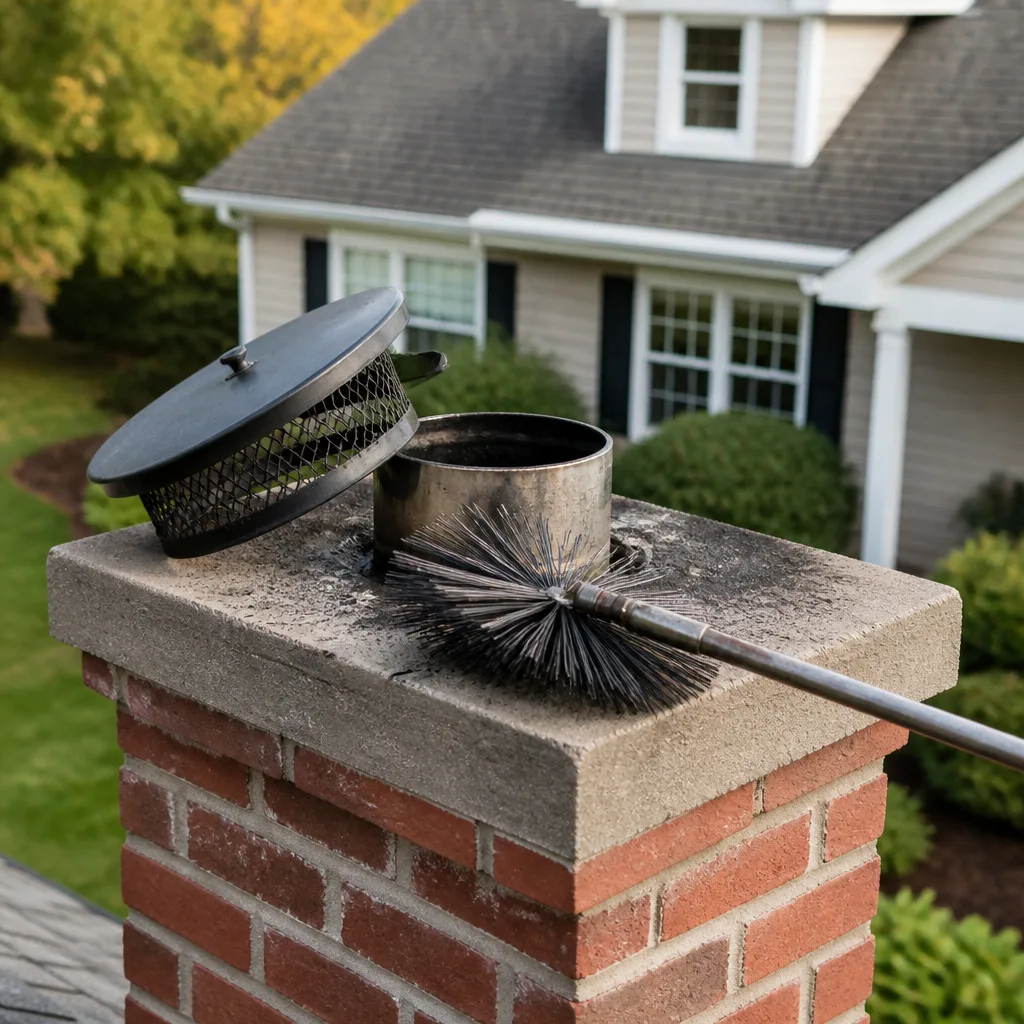 Sweep & inspection
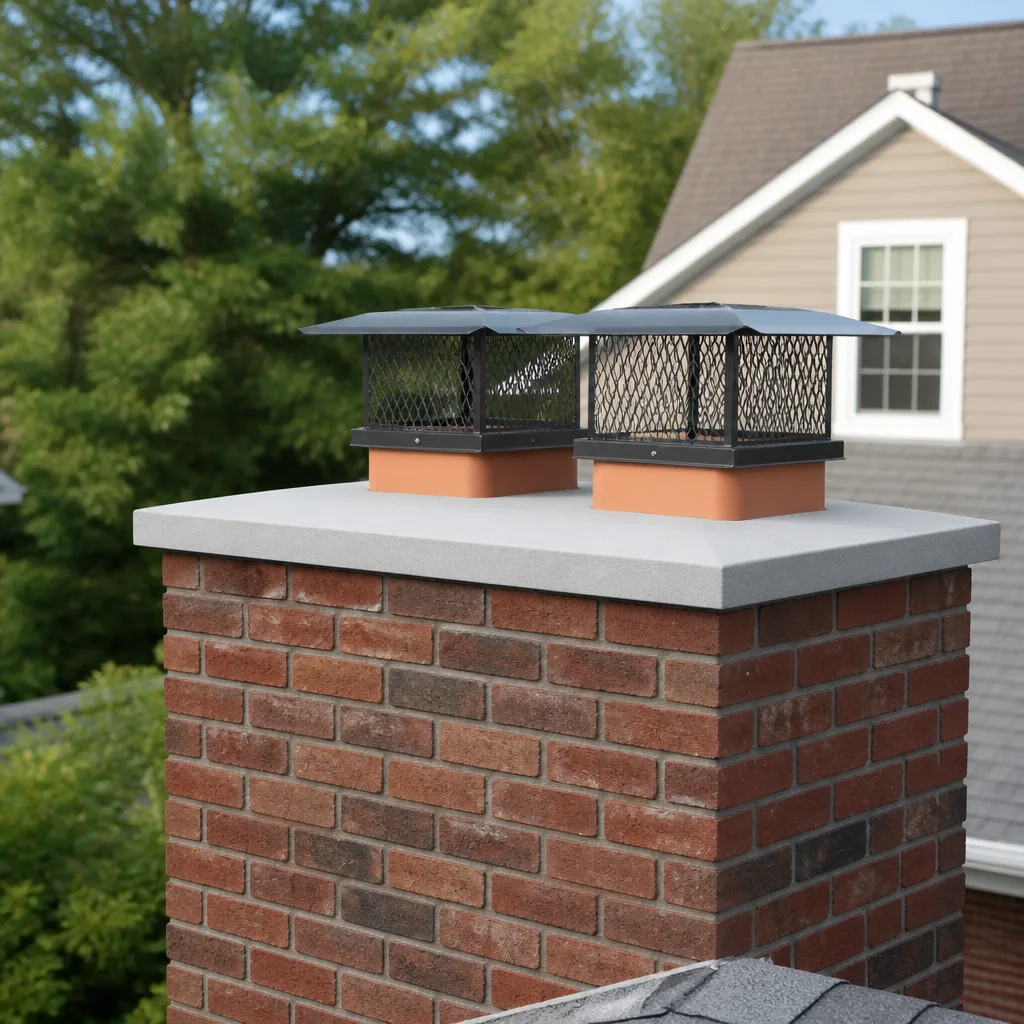 Caps & crowns
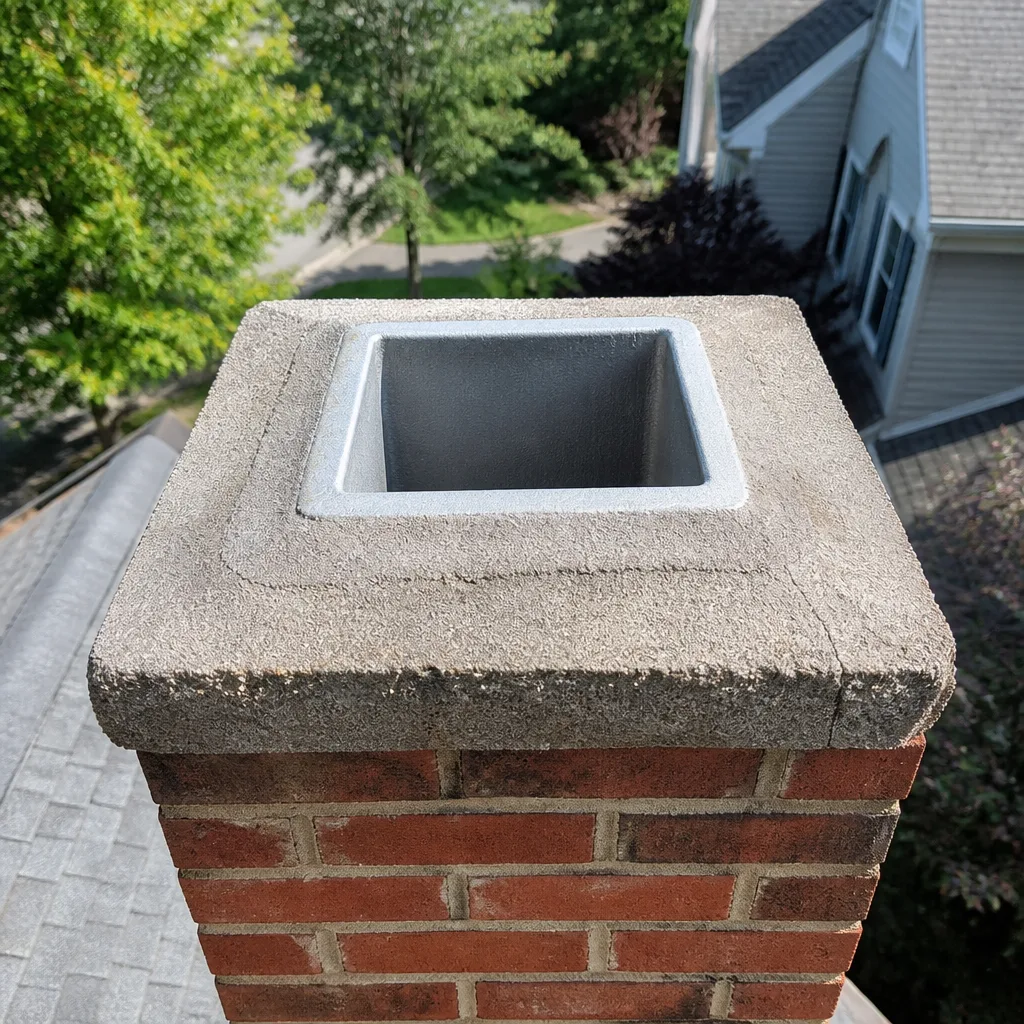 Flue relining
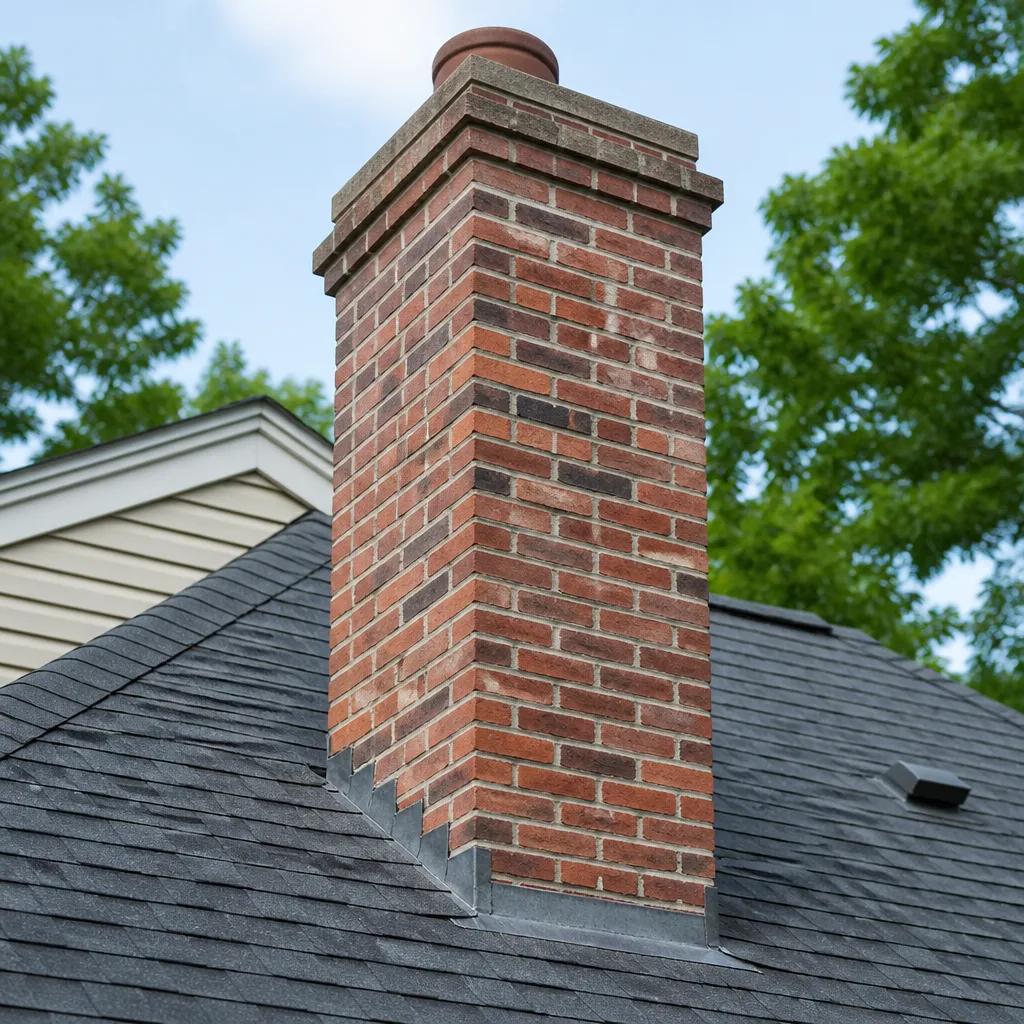 Masonry repair
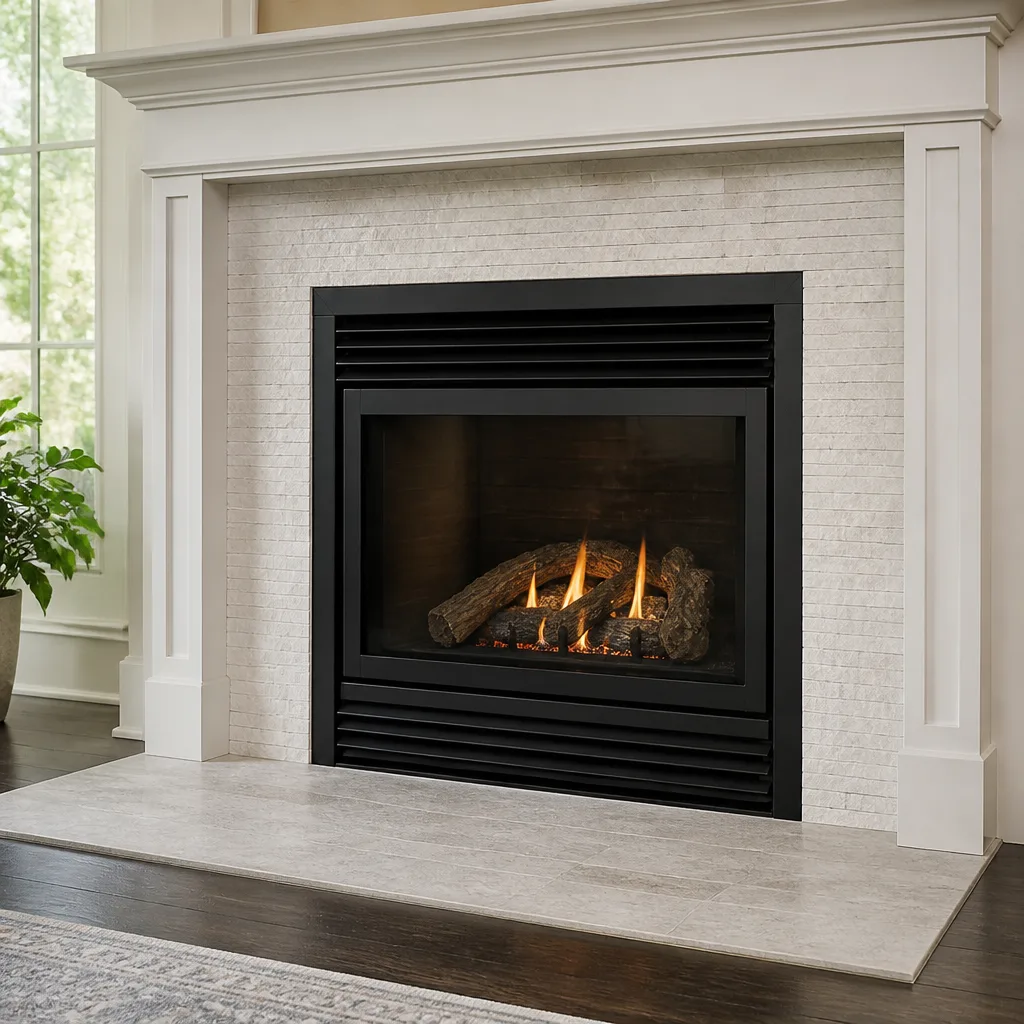 Gas fireplace service
Level 1 sweep and inspection to the NFPA 211 annual standard - flue, crown, cap, and flashing checked and photographed
Chimney sweep logs do not sweep chimneys. They loosen some creosote - which then falls where a brush and vacuum still have to collect it.
The Complete Guide to Chimney Cleaning in New Orleans
Here’s a number that surprises most people: many New Orleans homeowners light their fireplace fewer than 15 times a year. By the logic of national chimney advice, that’s barely any creosote, so the chimney should be fine. The truth is the opposite. In a city with humidity this persistent, a chimney that sits idle most of the year takes on moisture damage 365 days a year, and low use often hides it. Cleaning here has less to do with scraping out soot than with catching structural decay before it spreads into the flue and the framing around it. This guide explains what actually happens inside New Orleans chimneys, how our older housing stock changes the job, and how to read a cleaning report without letting anyone talk you into work you don’t need.
Quick Answer
Chimney cleaning in New Orleans is primarily a moisture and structure inspection, not just a creosote sweep. Because fireplaces here see light use while the air stays humid year-round, the real risks are cracked clay tile liners, spalling mortar, biological growth, and rusted dampers more often than heavy soot buildup. A proper cleaning includes a Level 1 or Level 2 inspection with photos so you can see the condition of the flue for yourself before anyone recommends a repair.
Styles & brands we work with
- Sweep & inspection
- Caps & crowns
- Flue relining
- Masonry repair
- Gas fireplace service
Table of Contents
- Why Chimney Cleaning in New Orleans Is Different
- How Humidity Affects Clay Tile and Stainless Liners
- Creole Cottages, Shotguns, and What Old Chimneys Do Differently
- What a Level 2 Inspection Covers (and When Louisiana Requires One)
- How to Read a Post-Cleaning Report
- What a Chimney Sweep Actually Involves
- Your Dryer Vent Is the Other Fire Hazard
- How Often Should a New Orleans Chimney Be Swept?
Why Chimney Cleaning in New Orleans Is Different
National chimney guidance was written for cold climates where the fireplace runs hard through winter. That advice assumes the chimney stays hot and dry through months of steady use, with creosote as the main enemy. New Orleans doesn’t work that way. Our winters are mild, so a fireplace gets lit a handful of times and then sits closed up for months while the air around it stays warm and heavy with moisture. A chimney that doesn’t get hot doesn’t dry out. That single fact drives most of the deterioration we see in New Orleans chimneys.
When a masonry chimney stays damp, water works on the mortar between the clay tiles and on the mortar joints in the brickwork. It freezes nowhere, but it doesn’t have to. Constant humidity softens mortar over time, feeds biological growth on the cool flue surfaces, and rusts steel dampers and caps that would last much longer in a drier place. The result is a chimney that fails from moisture and neglect, not from heavy burning.
That changes what a cleaning call should deliver:
- Moisture assessment first: looking for staining, efflorescence, loose mortar, and a crown that no longer sheds water away from the flue.
- Biological growth review: algae, moss, and fungal film that build up in an idle, humid flue.
- Liner integrity: checking clay tiles for cracks and gaps that open up as mortar softens.
- Soot and creosote removal second: still necessary, but rarely the biggest finding on a lightly used fireplace.
In short, a chimney sweep in New Orleans should be inspecting the structure as carefully as scrubbing the flue. That’s why we don’t just clean, we assess, repair, and restore.
How Humidity Affects Clay Tile and Stainless Liners
Clay tile liners were the standard for decades and they work well when they stay dry and protected. In New Orleans, they’re up against a climate that keeps them damp. Clay is porous, and the mortar joints between tiles are the weak point. As moisture works into those joints and the surrounding masonry, hairline cracks widen, and a cracked tile opens a path for heat and gases to reach the framing and the structure of the house. That’s the failure that matters, and it’s often invisible from the firebox.
A stainless steel liner handles this climate very differently. Steel isn’t porous, so it doesn’t absorb moisture or support the growth that clay does on its surface, and a properly installed flexible liner creates a sealed, continuous flue instead of a stack of tiles with mortar joints to soften. For a chimney that’s already deteriorating, a liner can be the more durable long-term correction. We install DuraFlex flexible liner systems for exactly this reason: it’s a professional-grade option that holds up when the original clay can’t.
Not every failing flue needs a full reline. When the masonry is deteriorating but salvageable, ceramic flue resurfacing can rebuild the interior surface of the flue without pulling it out and starting over. HeatShield is the ceramic resurfacing system we work with, and it’s an EPA-recognized repair method for damaged masonry flues. HeatShield resurfacing can restore a cracked flue without the cost of a full reline, and it’s worth asking whether you qualify before assuming a liner is the only answer.
The practical takeaway for New Orleans homeowners: treat a clay tile liner as something that needs checking, not something to assume is fine just because you don’t burn wood often. Humidity does its work whether or not you light a fire.
Creole Cottages, Shotguns, and What Old Chimneys Do Differently
The housing stock in New Orleans makes chimneys here their own category. A Creole cottage, a shotgun house, and a modern build don’t share flue design, materials, or failure patterns, and a cleaner who treats them the same will miss things.
Older shotgun houses and Creole cottages were built for a different climate and a different fuel era. Their chimneys are often smaller, tighter, and tucked into the core of the house rather than riding on an exterior wall. Interior chimneys stay warmer and drier than exterior ones in a humid climate, which can be an advantage, but they also mean problems hide deeper inside the structure where you can’t see them from outside. The chimney may pass through the roofline in a spot that’s easy to overlook, and the mortar and flashing there need a close look.
These older homes also tend to have flues sized for fireplaces and stoves that no longer exist. A flue designed for one appliance can be oversize or undersized for what’s connected now, and that mismatch affects how the chimney drafts and how much moisture it holds. Modern builds, by contrast, often use factory-built metal fireplaces and venting systems with their own clearances and component requirements. Correct venting components matter here, which is why we work with established brands like Olympia Chimney and Famco rather than generic parts.
What this means for cleaning and inspection in New Orleans:
- Identify the house type and flue construction before starting, because the approach and the areas to inspect change with it.
- Look at the chimney’s path through the interior, not just the roof and firebox, since older interior chimneys hide their problems.
- Confirm the flue matches the appliance connected to it, especially where an old fireplace or stove has been replaced.
- Check the crown, flashing, and roofline penetration closely, since these are where moisture enters and where old chimneys most often fail quietly.
What a Level 2 Inspection Covers (and When Louisiana Requires One)
A basic sweep and a Level 2 inspection are not the same service, and the difference matters most when you’re buying a house, changing what’s connected to the chimney, or after any event that could have damaged it. A Level 2 inspection is a more thorough look at the accessible portions of the chimney, including the flue interior via video, the attic and crawl spaces where the chimney passes, and the connections to the appliance. It gives you a documented picture of the whole system rather than a clean flue and a quick glance.
A basic sweep, by comparison, focuses on removing soot and creosote and checking the readily accessible parts. That’s appropriate for routine upkeep of a chimney in known good condition. It’s not designed to find a cracked tile behind the firebox or a gap in the attic.
When is a Level 2 inspection the right call?
- You’re buying or selling a home and the chimney’s condition is unknown or undocumented.
- A different appliance, insert, or stove has been connected to the flue.
- There’s been a chimney fire, a lightning strike, or a structural event affecting the chimney.
- The flue shows signs of cracking, and you need to know how far the damage goes.
- An earlier cleaning turned up concerns nobody documented with photos.
On the legal question: many cities and states require an inspection when a home changes hands or when an appliance is replaced, but the specific requirement depends on your local code and your insurer. We don’t state a code citation we can’t verify, so check with your city’s building department or your insurer on what a sale or a new appliance requires for your property. What we can tell you is that a Level 2 inspection with photos is the honest way to know what you’re dealing with before you commit to any repair.
How to Read a Post-Cleaning Report
The moment that decides whether you’re treated fairly is when someone hands you findings and a price. A good report separates what’s cosmetic from what’s structural, and it shows you the evidence. Here’s how to tell the difference.
Cosmetic findings are things that look bad but don’t threaten the house: light surface staining, a little soot on the smoke chamber, ordinary rust on a cap, or minor surface wear on masonry. They’re worth noting and worth watching, but they don’t demand urgent work.
Structural findings are the ones that affect safety and need a decision: cracked or displaced flue tiles, gaps in the liner, spalling mortar deep in the joints, a crown that’s cracked and letting water in, damaged flashing, or a flue that no longer matches the appliance connected to it. These are the findings that justify repair, and you should be able to see why before you agree to anything.
- Ask for photos or video of every structural finding, not just a verbal description.
- Ask which findings are urgent and which can safely wait, and get that in writing.
- Ask whether each recommended repair addresses a structural problem or a cosmetic one.
- Ask what happens if you do nothing, so you understand the actual risk rather than a vague warning.
- Ask whether resurfacing or relining is the right fix for your flue, and why.
We don’t recommend work you can’t verify. If a finding is cosmetic, we’ll tell you it can wait. If something is structural, you’ll see the evidence yourself before we quote a repair, and the price is set by a written estimate.
What a Chimney Sweep Actually Involves
A professional chimney sweep in New Orleans isn’t a quick brush-and-go. Because the risks here lean toward moisture and structure, the visit should combine cleaning with a real inspection. Here’s how a typical job runs.
- We start by talking through how you use the fireplace and what you’ve noticed, then assess the chimney’s construction and the appliance connected to it.
- We protect the work area inside the home with drop cloths and a containment setup so soot and dust stay in the flue, not on your floors.
- We clean the flue with the right tools for its size and condition, removing soot, creosote, and the biological growth that builds up in a humid, lightly used chimney.
- We inspect the firebox, smoke chamber, damper, flue, crown, flashing, and the roofline, using video where the flue interior needs a closer look.
- We document what we find with photos, then walk you through it, separating cosmetic wear from anything structural.
- If a repair is needed, we quote it in writing, and we can handle the repair ourselves rather than sending you to a second contractor.
That last point is deliberate. We carry the fix, not just the inspection report, and chimney repair is an in-house service, so a structural issue found during a sweep doesn’t mean scheduling someone else and starting over.
Your Dryer Vent Is the Other Fire Hazard
Most homeowners think of the chimney when they think of fire risk and forget the other vent in the house entirely. A clogged dryer vent is a genuine fire hazard, and lint buildup is the fuel. In New Orleans, the same humidity that works on your chimney also affects a vent that terminates poorly or runs a long, sagging path to the outside, trapping moist, lint-heavy air where it can’t clear.
Dryer vent cleaning is a dedicated service for us, not an afterthought tacked onto a sweep. Proper work means more than pulling lint out of the duct: it means checking the full run, confirming the vent terminates correctly outside with the right components, and making sure airflow is actually clear. That’s where professional-grade venting parts like Famco components come in, because a vent that terminates badly will keep clogging no matter how often it’s cleaned.
One call covers your fireplace flue and your dryer vent, and both are fire hazards worth professional attention. If you can’t remember the last time either was checked, that’s the sign to book a visit.
How Often Should a New Orleans Chimney Be Swept?
The standard advice is to have a chimney swept and inspected once a year, and that guidance holds in New Orleans even for a fireplace you barely use. The reason isn’t soot. It’s that an annual inspection is how you catch moisture-driven deterioration while it’s still a repair rather than a rebuild. A chimney that sat damp and unchecked for several years can go from minor mortar softening to a cracked liner without anyone noticing.
Beyond the yearly check, book a visit sooner if:
- You’ve noticed staining, crumbling mortar, or a musty smell near the chimney.
- The damper sticks, or smoke comes back into the room when you light a fire.
- You’re buying or selling the home and want the chimney documented.
- You’ve changed the appliance connected to the flue.
- It’s been more than a year since the last cleaning or inspection.
Timing the sweep before the burning season makes sense in New Orleans: it gives you a clear picture of the chimney’s condition while there’s still time to handle any repair before you want to use the fireplace.
Common Mistakes to Avoid
- Assuming low use means a clean bill of health. A fireplace lit a handful of times a year still faces moisture damage every day, so skipping inspection because you rarely burn wood is the most common mistake we see in New Orleans.
- Treating a basic sweep as a full inspection. A sweep cleans the flue; it doesn’t necessarily document the whole system with photos, so ask what the visit actually covers.
- Accepting a repair recommendation without seeing evidence. If someone tells you the flue needs a new liner, ask to see the video or photos of the cracked tiles before you agree.
- Ignoring the crown and flashing. Water usually enters old New Orleans chimneys at the top, not the firebox, so a report that skips the crown and roofline is incomplete.
- Forgetting the dryer vent entirely. Lint-clogged dryer vents are a real fire hazard, and a vent that terminates poorly keeps clogging no matter how often it’s cleaned.
- Hiring a sweep-only service for a structural problem. If the flue is deteriorating, you want a contractor who can both diagnose and fix it, not clean and hand you a checklist.
- Putting off repair until the flue fails outright. Catching a cracked liner early can mean ceramic resurfacing instead of a full reline, which is a much smaller job.
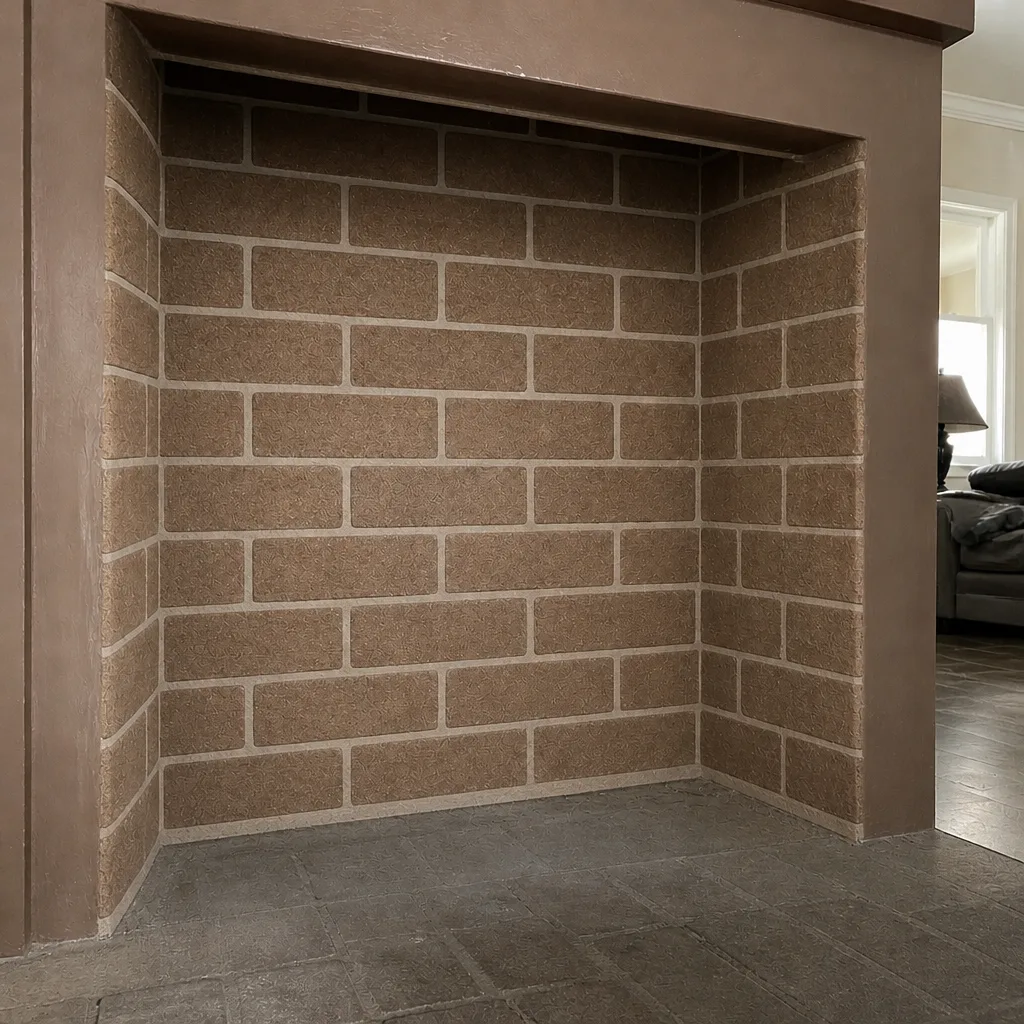
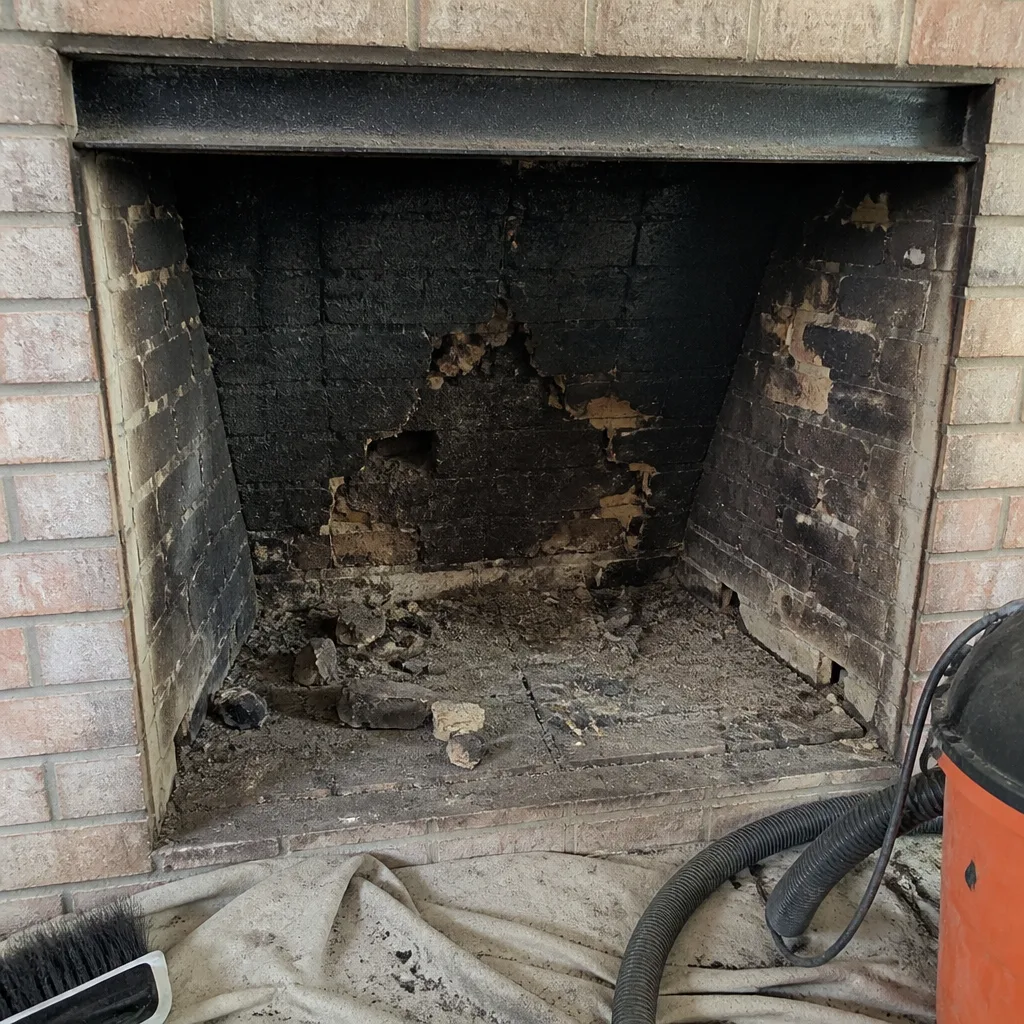
See the difference
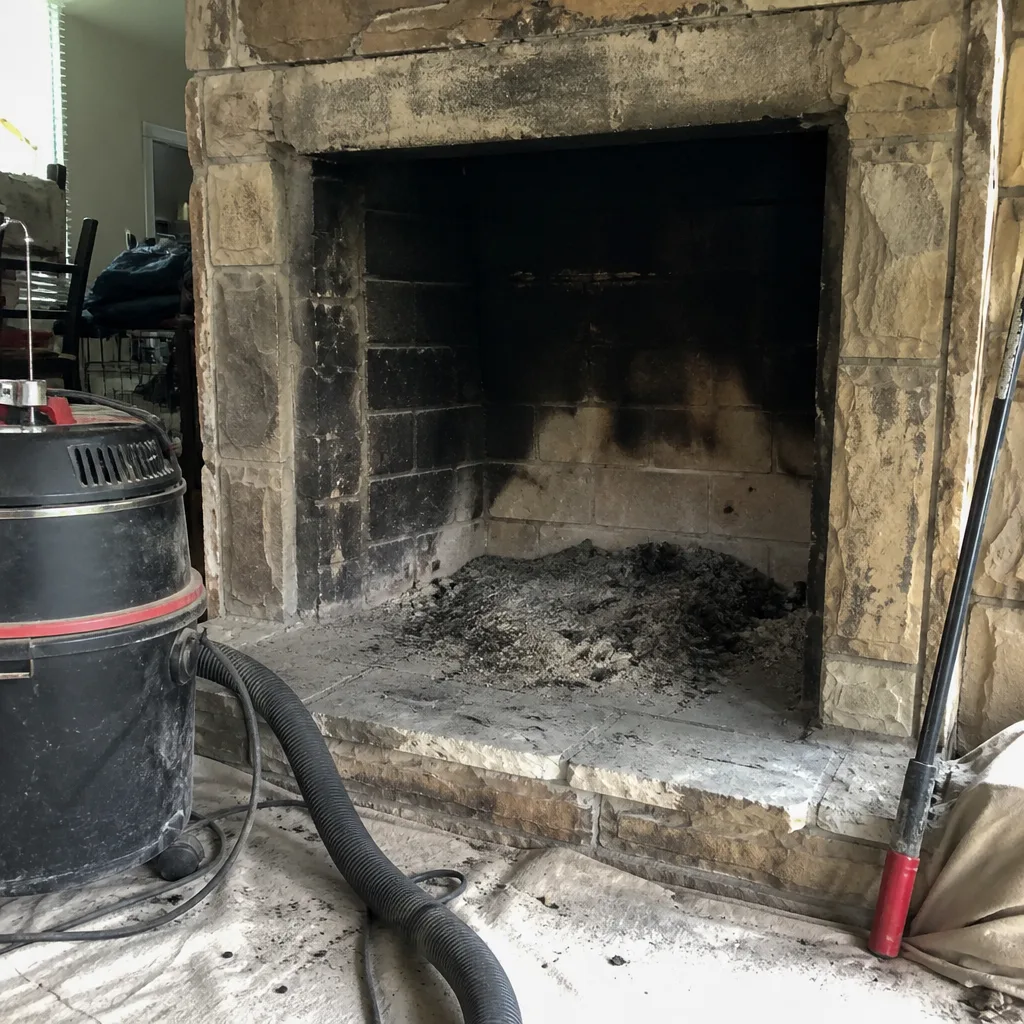 Before
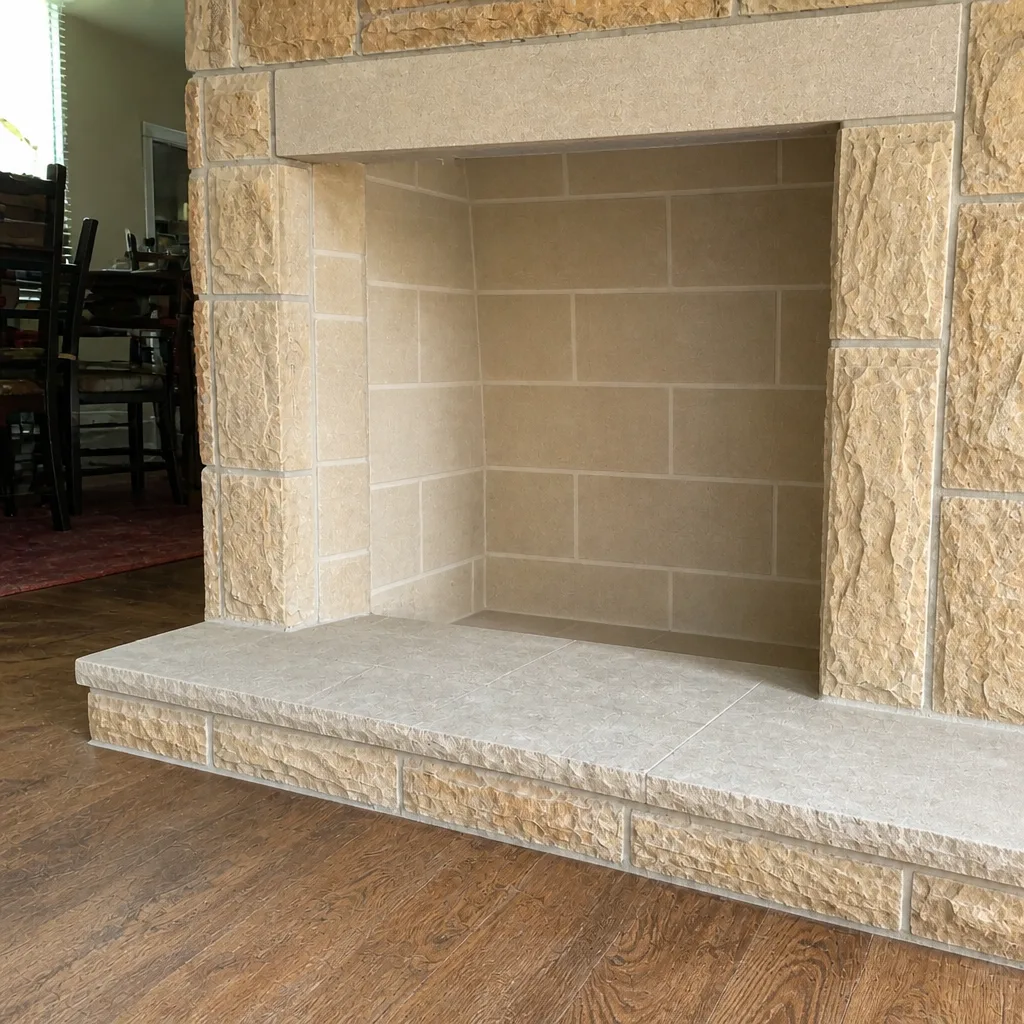 After
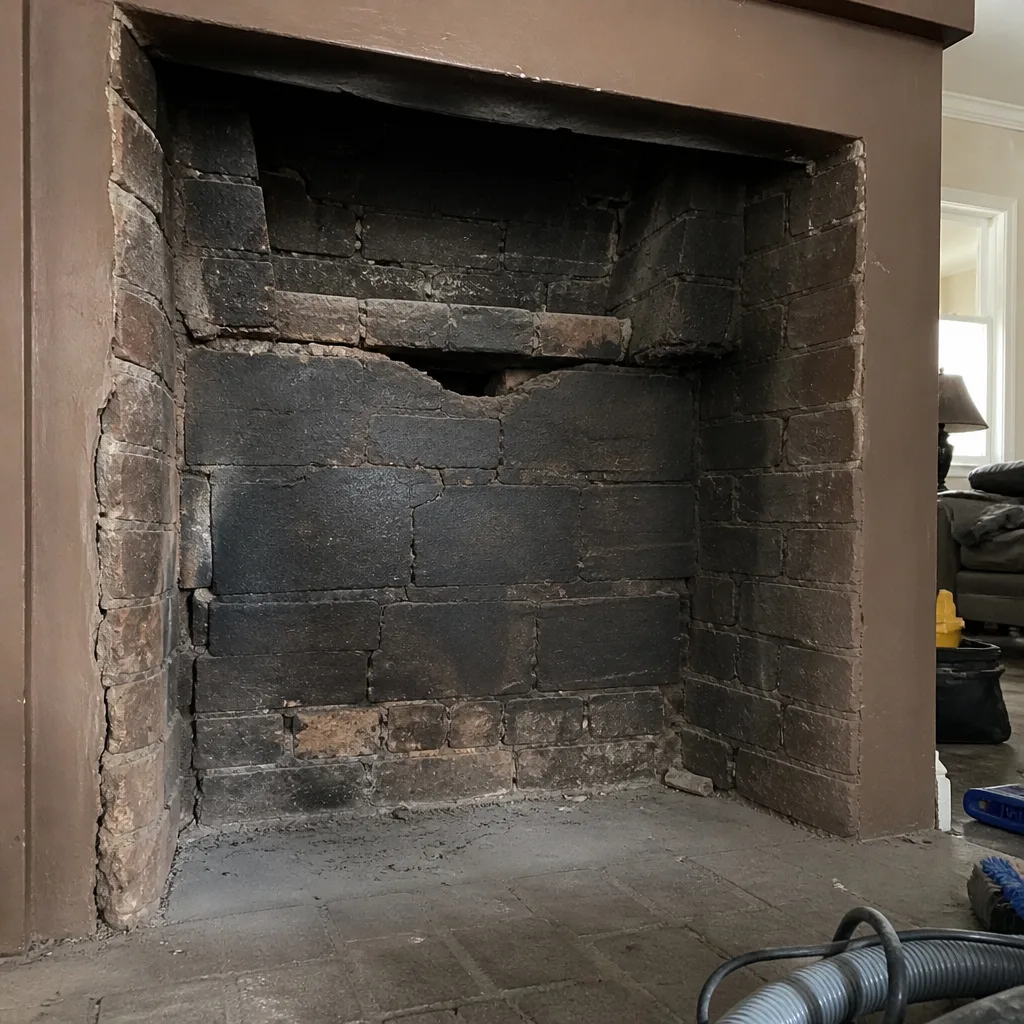 Before
 After
 Before
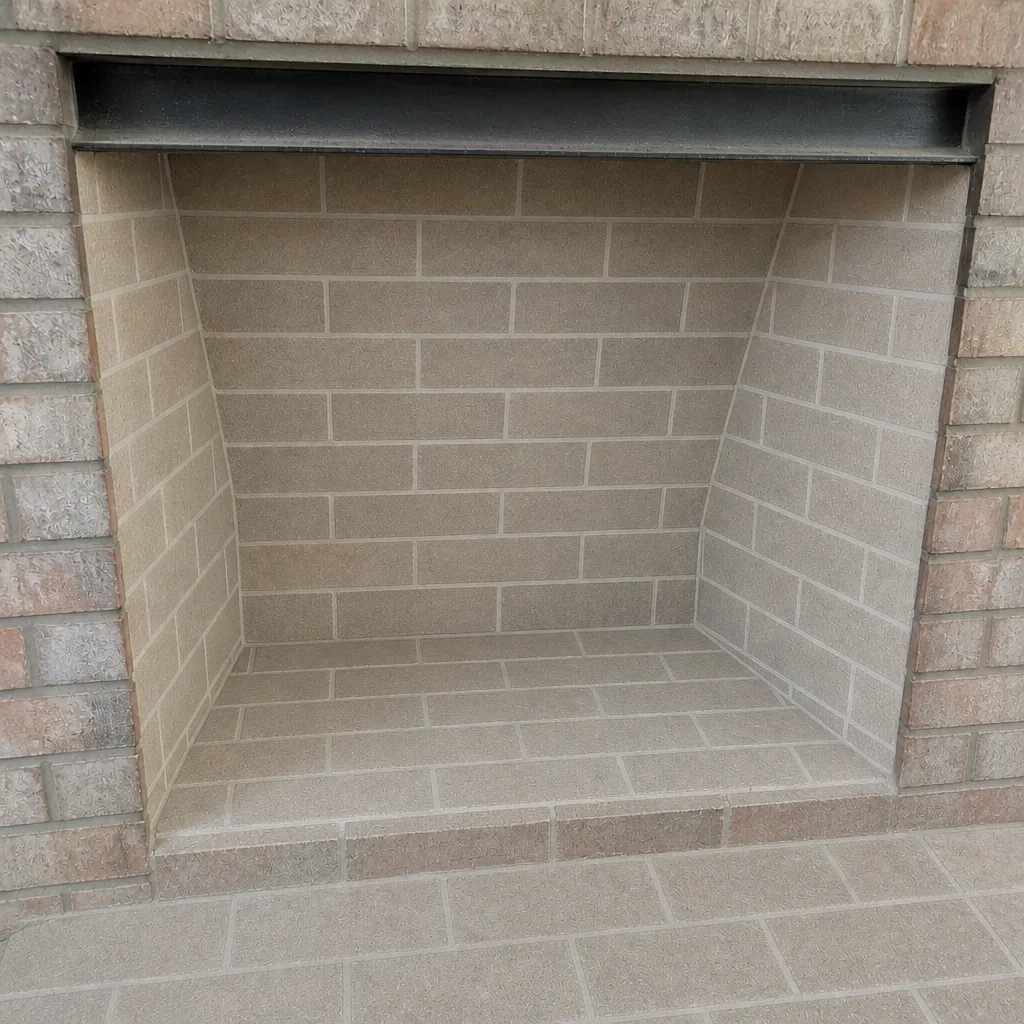 After
When to Call a Professional
Some chimney issues are worth a call the moment you notice them. If smoke backs into the room when you light a fire, if the damper won’t open or close smoothly, if you see crumbling mortar or white staining on the chimney, or if there’s a musty smell near the fireplace, those are signs to have the flue looked at rather than waited on. The same goes for a home you’ve just bought where the chimney’s history is unknown, and for any dryer vent you can’t remember checking. Chimney and vent work involves height, masonry, and gas and fire safety, and it’s not a job to take on yourself. New Orleans Chimney Cleaning offers free estimates in New Orleans. Call (833) 946-8575, and we’ll book a visit, assess the chimney with photos you can see, and quote any repair in writing.
Frequently Asked Questions
Chimney cleaning in New Orleans is priced per job by a written estimate, since the cost depends on the flue’s condition, its construction, and whether a Level 2 inspection is needed. We give you a written estimate before any work starts, so the price is set up front rather than guessed at. Call (833) 946-8575 for an exact quote; estimates are free.
Not always. A cracked or deteriorating flue sometimes qualifies for ceramic resurfacing with HeatShield instead of a full reline, which restores the flue interior without pulling it out. A full DuraFlex liner is the right answer when the clay can’t be salvaged. We don’t recommend either without camera evidence you can see for yourself. Call (833) 946-8575 and we’ll tell you which your flue actually needs.
Once a year, even if you rarely use the fireplace. The reason here isn’t soot; it’s catching moisture-driven damage to the liner and mortar while it’s still a small repair. An annual inspection is how you avoid a surprise. Call (833) 946-8575 to book a sweep and inspection.
Skipped maintenance lets moisture and any creosote buildup go unchecked, and over time that can mean cracked tiles, softening mortar, and a flue that no longer safely contains heat and gases. In a humid climate, the structural damage often outpaces anything soot-related. The fix is a sweep and inspection before the damage spreads. Call (833) 946-8575 for a free estimate.
No. A basic sweep cleans the flue and checks the readily accessible parts, while a Level 2 inspection documents the whole system, including the flue interior via video and the spaces the chimney passes through. Whether you need a Level 2 depends on your situation, such as a home sale or a new appliance. We’ll explain which fits yours when you call (833) 946-8575.
You should have it checked, yes. A lint-clogged dryer vent is a genuine fire hazard, and it’s easy to forget because it’s out of sight. We treat dryer vent cleaning as its own dedicated service, checking the full run and the outside termination. One call with New Orleans Chimney Cleaning can cover both your fireplace flue and your dryer vent. Call (833) 946-8575 to book.
The Bottom Line
Chimney cleaning in New Orleans is a different job than it is in a cold climate. Light fireplace use and year-round humidity mean your chimney’s real enemy is moisture and structural decay, not a thick layer of creosote. That’s why a proper visit here combines cleaning with a real inspection, why the flue’s liner and the crown and flashing deserve a close look, and why the housing stock in this city changes how we approach the job. See the evidence before you agree to any repair, know which findings can safely wait, and treat your dryer vent as the fire hazard it is. Our technicians have up to 14 years of experience, and we work with professional-grade materials from brands chimney specialists trust, including DuraFlex, HeatShield, Olympia Chimney, and Famco. We don’t just clean, we assess, repair, and restore. Call (833) 946-8575 for a free estimate. We answer 24/7. Fast dispatch from 7am to 7pm, Sunday through Friday. You can also read more about our New Orleans Chimney Cleaning services, book a chimney sweep, add dryer vent cleaning, or learn more about New Orleans and the homes we work on.
Written by the team at New Orleans Chimney Cleaning.