
Last updated November 15, 2026
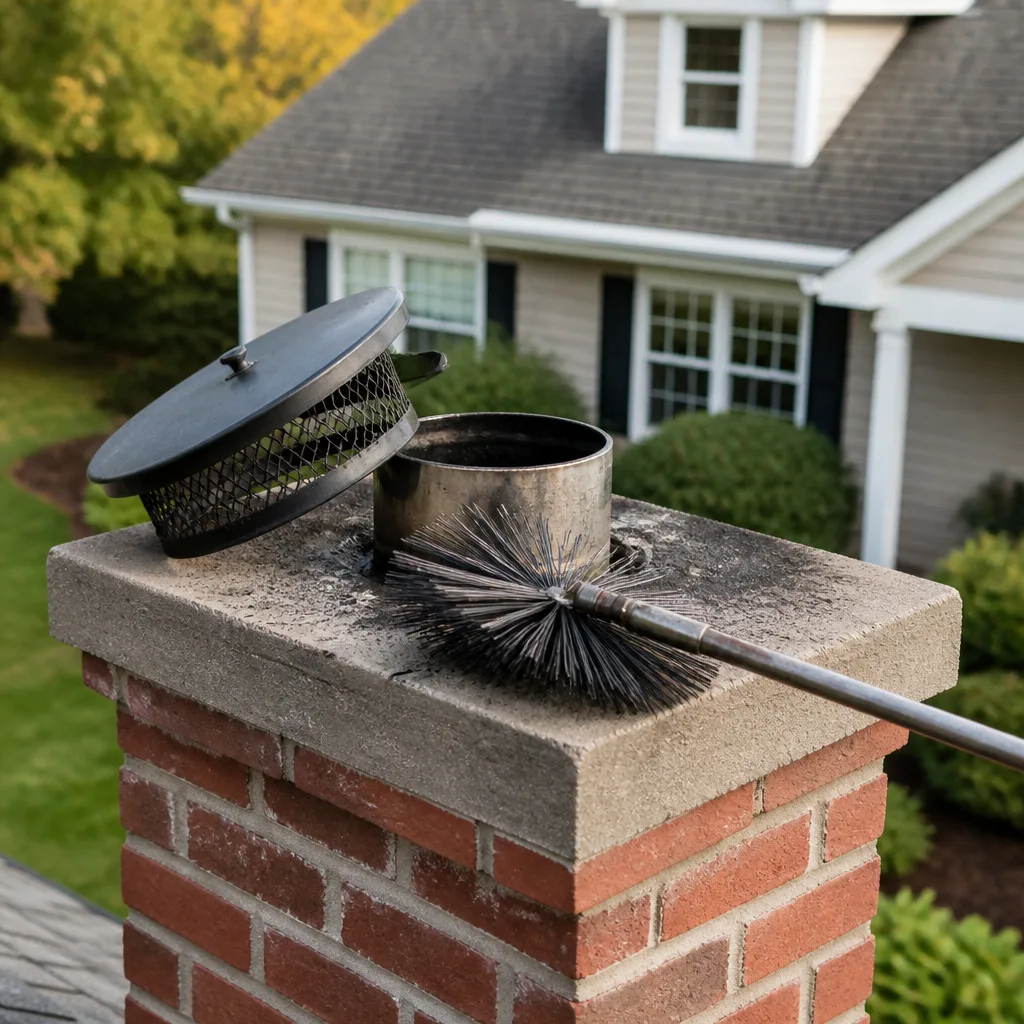 Sweep & inspection
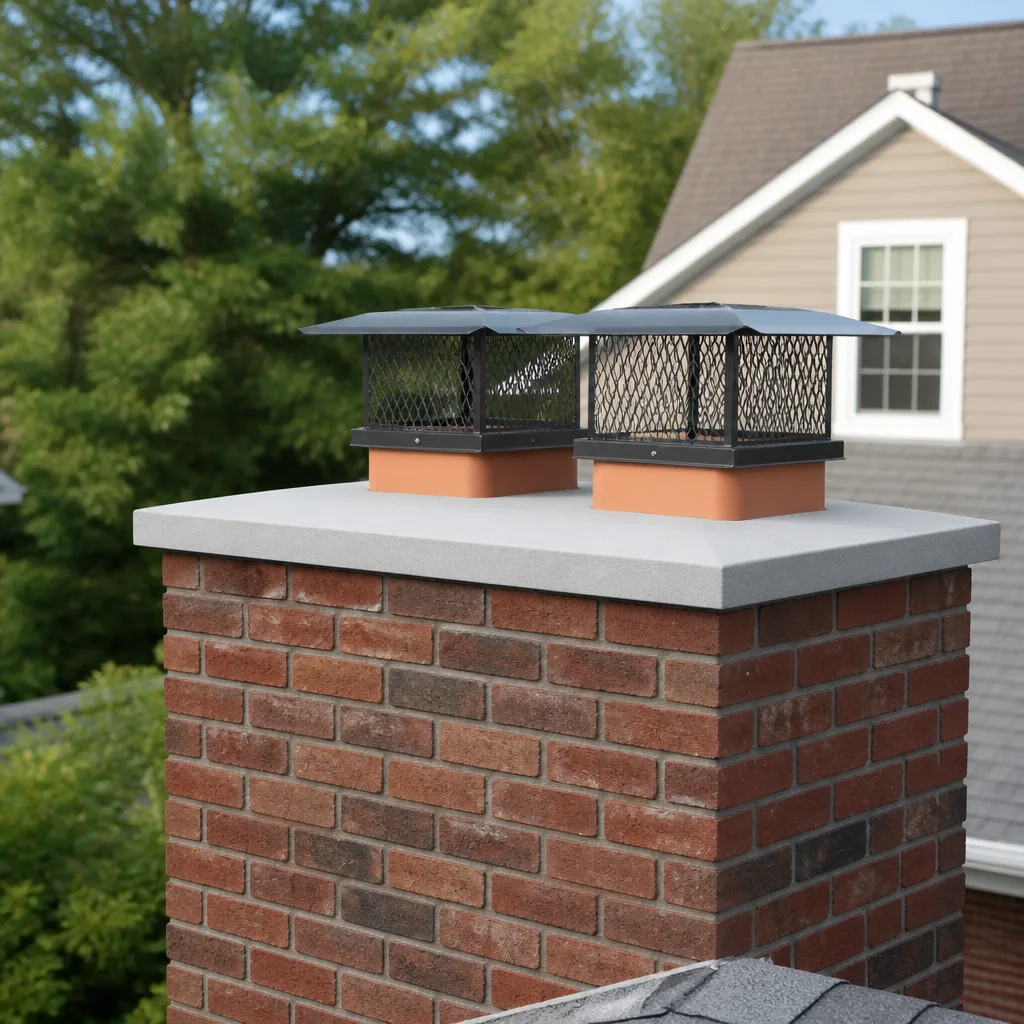 Caps & crowns
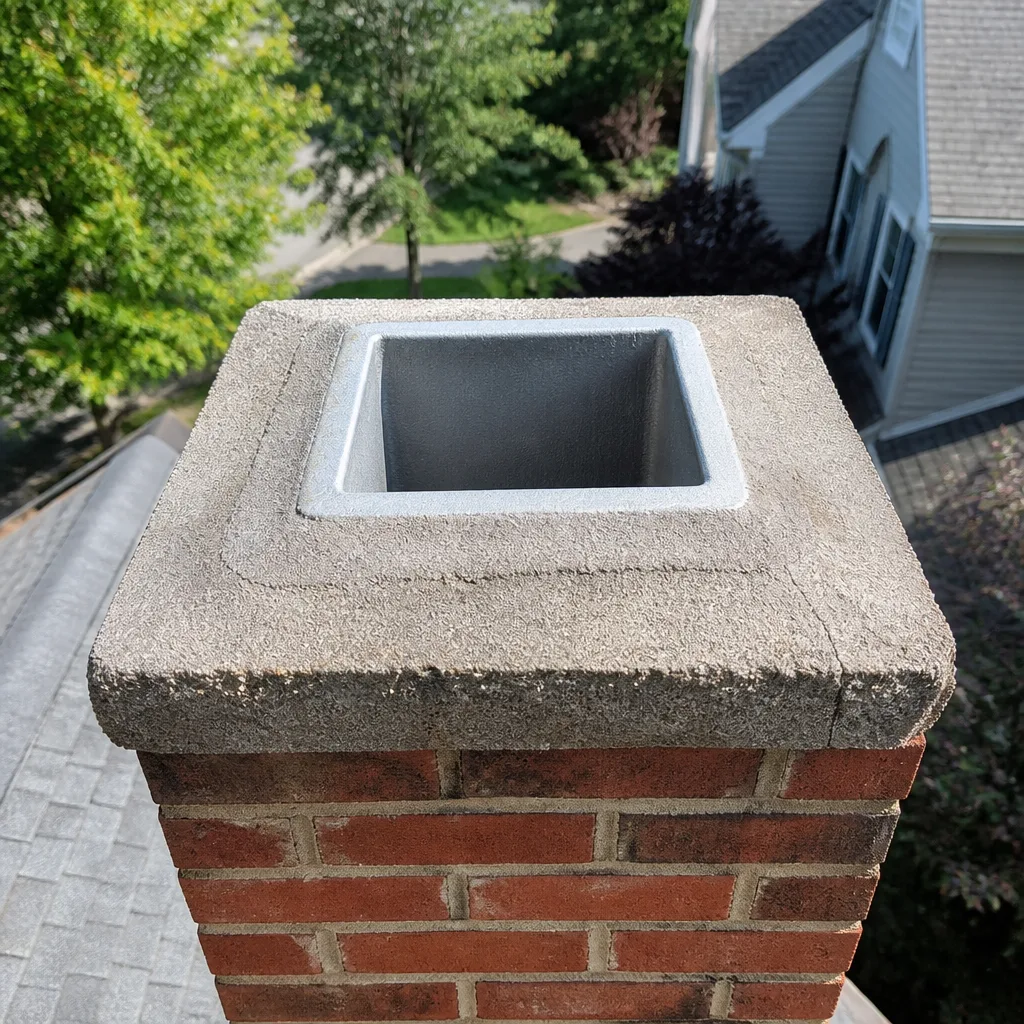 Flue relining
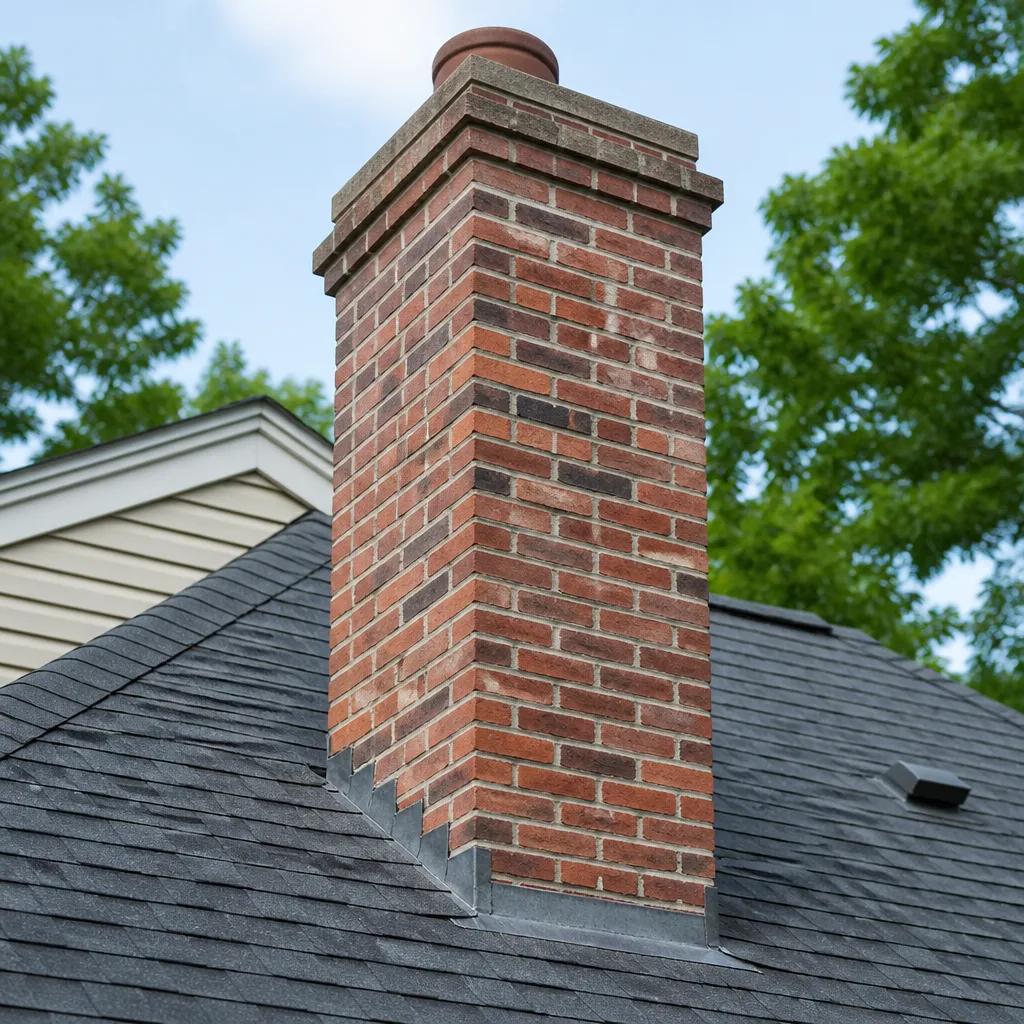 Masonry repair
 Gas fireplace service
Level 1 sweep and inspection to the NFPA 211 annual standard - flue, crown, cap, and flashing checked and photographed
Chimney sweep logs do not sweep chimneys. They loosen some creosote - which then falls where a brush and vacuum still have to collect it.
Chimney Sweep Maintenance Schedule: What to Do and When
Most chimney maintenance advice tells you to book a sweep in early fall, right before the first fire. In New Orleans, that timing is backwards. Residents here burn wood for fewer than 60 days a year, yet their chimneys deteriorate 365 days a year. Moisture, storm-driven rain, and the long humid stretch from May through September do more slow damage to masonry than a winter’s worth of fires. The inspection that matters most happens in March or April, right after the burn season closes, not in October when problems have already had months to compound. This guide lays out a schedule built around how your chimney actually weathers a New Orleans year – what to do in each window, how your burn pattern changes the interval, and what to watch for yourself between professional visits.
Quick Answer
The right chimney maintenance schedule in New Orleans runs on two anchors: a professional sweep and inspection in late winter or early spring, right after burn season ends, and a lighter pre-season check in fall before the first fire. Wood-burning fireplaces used regularly need a sweep every year. Gas log sets need an annual inspection even though they produce no creosote. Homes used as primary wood heat need sweeping twice a year. And your dryer vent belongs on the same calendar – once a year, more often in a busy household.
Styles & brands we work with
- Sweep & inspection
- Caps & crowns
- Flue relining
- Masonry repair
- Gas fireplace service
Table of Contents
- Why the New Orleans Burn Season Changes the Calendar
- The Four-Window Annual Schedule
- How Often Should You Sweep? It Depends on How You Burn
- Post-Season Work: What Happens in March and April
- Summer: The Masonry Inspection Window
- Pre-Season: The Draft Test Before the First Fire
- What to Check Yourself Between Visits
- Where Dryer Vent Cleaning Fits on the Same Schedule
Why the New Orleans Burn Season Changes the Calendar
National chimney advice is written for cold climates where the furnace runs for six months and the fireplace runs alongside it. New Orleans doesn’t work that way. Our burning window is short and often compressed into late December through February, with a few cool weeks on either side. That means a fireplace can sit completely idle for nine months while the conditions around it – humidity, rain, and warm air – keep working on the masonry and the flue.
The practical consequence is simple. A fall inspection catches problems that have been developing since spring, giving you almost no lead time before you want to light a fire. A late-winter inspection catches them when they’re fresh, before the summer humidity pushes them further. Damp masonry that goes into a hot, wet summer doesn’t dry out – it stays saturated, mortar softens, and small cracks widen. By the time October arrives, a hairline crack found in April could be a repair job instead of a maintenance item.
There’s a second local factor: storm season. Summer and early fall bring heavy rain driven sideways against chimney exteriors. A cap in good condition sheds that water. A cap that’s cracked, rusted, or missing lets it straight into the flue. Inspecting the cap and crown as part of a late-winter sweep means you have time to address the problem before the rain arrives, not after.
- Short burn season – fewer than 60 days of real wood burning for most households
- Long humid off-season – nine months of moisture exposure with no fire to help dry the flue
- Driven rain – summer and fall storms test caps, crowns, and flashing
- Compressed fall window – everyone wants a sweep in October, which leaves little room to schedule repairs before cold snaps
This is why we schedule chimney sweep visits with the post-season window as the primary anchor. It aligns with how a chimney in New Orleans actually ages.
The Four-Window Annual Schedule
Think of the year in four windows rather than one annual appointment. Each window has a specific job, and together they cover cleaning, structural inspection, moisture protection, and pre-season readiness.
- Late winter (February to March): Close out the burn season with a sweep and a full Level 2-style inspection while the flue is still warm and any creosote is easy to read. This is when you find out what the season did.
- Early spring (March to April): Post-season verification. Confirm the flue is clean, check the cap and crown for winter damage, and address any masonry issues before the humid months. This is the single most important window in New Orleans.
- Summer (June to August): Masonry and exterior inspection. Look at brick faces, mortar joints, flashing, and the crown while the chimney is exposed to the most moisture stress. Small repairs here prevent larger ones later.
- Fall (October to November): Pre-season draft test and readiness check. Verify the damper opens fully, the firebox is clear, and the flue drafts correctly before you light the first fire. If the spring sweep was done, this is usually a light visit.
Not every household needs all four. But the two anchors – post-season sweep and pre-season draft check – belong on every calendar, regardless of how often you burn.
How Often Should You Sweep? It Depends on How You Burn
There’s no single correct interval. The frequency should match the fuel, the volume of use, and the condition of the flue. Here’s how we think about it for New Orleans homes:
- Gas log sets: Annual inspection, not annual sweeping. Gas logs produce no creosote, but they still need an annual check for debris, insect nests, venting, and carbon monoxide risk. A blocked or partially blocked flue on a gas set is a serious safety issue that has nothing to do with soot.
- Occasional wood fires (a few times a month in season): Sweep once a year, in the post-season window. That catches the creosote before summer.
- Regular wood fires (several times a week during the burn season): Sweep once a year and add a mid-season glance at the firebox for creosote buildup. If you see glazed, shiny creosote, stop burning until it’s swept – that’s the type that fuels chimney fires.
- Primary heat source (wood is your main heat): Sweep twice a year. Once mid-season and once post-season. Volume matters more than anything else.
- Older masonry chimneys with unknown history: Start with a full inspection and a sweep, then move to the annual schedule once you know what the flue looks like. If we find a deteriorating flue, we’ll tell you whether it needs a repair now or can safely wait – and we can show you the camera footage so you can see it for yourself.
If you’re not sure which category you fall into, that’s exactly what the first inspection answers. Once we’ve seen the flue, the schedule becomes a fact-based recommendation rather than a guess.
Post-Season Work: What Happens in March and April
This is the window most New Orleans homeowners skip, and it’s the one that matters most. Here’s what a proper post-season visit covers.
- Sweep the flue. Remove soot and creosote while the deposits are fresh. Creosote left sitting through a humid summer can become harder to remove and can absorb moisture.
- Camera inspection. We run a camera down the flue and record what we find – cracks, gaps in the mortar, damaged liner sections, or obstructions. You see the footage. Nothing is recommended that isn’t on camera.
- Check the cap and crown. The cap keeps rain, birds, and debris out. The crown sheds water off the top of the chimney. Both take a beating from summer storms, so inspecting them in spring gives you time to repair before the next storm season.
- Inspect the firebox and damper. Look for cracks in the firebox masonry and confirm the damper seals and opens fully. A damper that doesn’t close tight is a year-round energy leak, not just a winter one.
- Note any masonry issues. If we find spalling brick or crumbling mortar during the post-season visit, we can schedule the masonry work for summer, when the weather is dry enough to complete it properly.
If the inspection turns up a hairline crack in a masonry flue, HeatShield ceramic resurfacing can often restore the flue without the cost of a full reline. It’s a repair option most sweep-only companies can’t offer because they don’t carry the materials. We can tell you on the spot whether a flue qualifies.
Summer: The Masonry Inspection Window
Summer is when the chimney faces its hardest conditions – heat, humidity, and rain – and it’s also the best time to inspect the exterior and complete masonry repairs. The weather is dry enough for mortar to cure properly, and there’s no burn season to interrupt.
Here’s what the summer inspection covers:
- Brick faces: Spalling brick (where the face flakes off) is a sign moisture has been getting in. Left alone, the brick continues to break down and the chimney loses structural integrity.
- Mortar joints: Crumbling or recessed mortar joints let water into the chimney structure. Repointing is a straightforward repair when caught early and a much bigger job when the damage spreads.
- White staining (efflorescence): A white, chalky stain on the chimney exterior usually means water is moving through the masonry and leaving mineral deposits behind. It’s not cosmetic – it’s an indicator of moisture intrusion.
- Flashing: The metal flashing where the chimney meets the roof is a common leak point. Storm-driven rain finds gaps quickly.
- Crown condition: The concrete crown at the top of the chimney should shed water away from the flue. Cracks or crumbling here send water straight down the flue.
- Liner condition: If a liner has been deteriorating, summer is the right time to schedule relining with DuraFlex flexible liner systems. That way the flue is ready before burn season, not mid-season.
When we find structural issues during a sweep or inspection, they’re handled in-house. That means one visit can cover the inspection, the masonry repair, and the liner work, rather than separate calls to different contractors.
Pre-Season: The Draft Test Before the First Fire
Before the first fire of the season, the chimney needs a draft test and a readiness check. This is a light visit if the spring sweep was done, and a more substantial one if it wasn’t.
- Test the draft. With the damper open, a draft test confirms air is pulling up the flue correctly. A chimney that doesn’t draft properly can push smoke and carbon monoxide back into the room.
- Check for obstructions. Birds, squirrels, and insects nest in flues during the off-season. A quick inspection before the first fire clears anything that got in over the summer.
- Verify the damper. Open and close it fully. Confirm it seals when closed.
- Look at the firebox. Any cracks in the firebox masonry should be addressed before you burn. Cracks can allow heat to reach materials that aren’t designed for it.
- Confirm the cap is in place. Every fire season is preceded by a check that the cap is intact and secure.
There’s a real safety reason to take the draft test seriously. Carbon monoxide from a blocked or poorly drafting flue is odorless and can build up without warning. A pre-season check is the simplest way to know your chimney is pulling correctly before you rely on it.
What to Check Yourself Between Visits
You don’t need to get on the roof. There’s a useful set of things to look at from the ground and from inside the firebox, and catching them early is exactly what extends the life of the chimney between professional visits.
- Spalling brick: Look at the chimney from the ground. If you see brick faces that are flaking, pitted, or missing chunks, that’s moisture damage in progress. It doesn’t get better on its own.
- White staining: Chalky white deposits on the chimney exterior are a water intrusion indicator. Note where they are and mention it at your next visit.
- Mortar gaps: If the mortar between bricks is recessed, crumbling, or missing, water has a path in.
- Creosote in the firebox: Shiny, glazed deposits on the firebox walls and damper are a sign of heavy creosote buildup. Stop burning and get it swept.
- Smoke in the room: If smoke backs into the room when you light a fire, the draft is compromised. That’s a call now, not a note for later.
- Damper operation: Open and close the damper by hand. If it sticks or doesn’t seal, it needs attention.
Never get on the roof to inspect or repair a chimney yourself. Roof work is dangerous, and chimney repairs require the right materials and techniques. From the ground and the firebox, you can catch the signals that tell you when to call.
If any of these turn up, call us and we’ll take a look. We show you the camera footage and give you a written estimate before any work is done.
Where Dryer Vent Cleaning Fits on the Same Schedule
Dryer vent cleaning belongs on the same annual calendar as chimney maintenance, and in our experience, it’s the fire risk homeowners put off longest. Lint accumulates inside the vent duct and around the dryer connection, and a clogged dryer vent traps heat. That’s a fire hazard that has nothing to do with your fireplace but everything to do with how your home is maintained.
Here’s how we place it on the schedule:
- Annual cleaning: Once a year for most households. This matches the chimney sweep cadence – one annual maintenance pass covers both.
- More often for heavy laundry use: Households that run the dryer daily, or dry heavy items frequently, should clean more often. Lint builds faster.
- Whenever drying times lengthen: If clothes take noticeably longer to dry, the vent is likely restricted. That’s a signal to clean now, not at the next annual visit.
- Whenever the dryer feels hot to the touch: That’s a warning sign that airflow is restricted.
New Orleans homes face a specific challenge here: the humidity means lint and debris inside a vent can stay damp longer, and a damp vent environment can degrade the duct connections over time. Properly terminated dryer vent components, like Famco venting products, keep the airflow moving and the connection tight, which extends the interval between cleanings and reduces the risk.
We handle dryer vent cleaning as a standalone service. One call can cover both your chimney and your dryer vent, which means both fire hazards in your home get attention at the same time.
Common Mistakes to Avoid
- Scheduling the sweep only in October. Fall is when everyone calls, which leaves little time to address findings before you want to burn. Move the main visit to late winter or early spring, and keep fall for the draft test.
- Assuming a gas log set doesn’t need a visit. Gas logs produce no creosote, but they can still be blocked by debris or nests, and a compromised flue is a carbon monoxide risk. Annual inspection applies regardless of fuel type.
- Ignoring white staining on the exterior. Efflorescence is not a cosmetic issue – it’s evidence water is moving through the masonry. Left alone, the underlying moisture problem gets worse each summer.
- Burning with glazed creosote present. Shiny, glazed creosote is the type that fuels chimney fires. If you see it, stop burning and get it swept. This is not a “next month” item.
- Treating the dryer vent as an afterthought. Lint-clogged dryer vents are a genuine fire hazard and get skipped far more often than chimney maintenance. Put it on the same calendar.
- Getting on the roof to inspect or repair the chimney yourself. Roof work is dangerous, and chimney repairs require the right materials. A fall from a roof or a repair done with the wrong mortar does far more damage than the delay.
- Assuming spring findings can wait until fall. A hairline crack in April can become a structural repair by October once a wet summer has worked on it. If the camera shows a problem, ask whether it can safely wait – and get a straight answer.
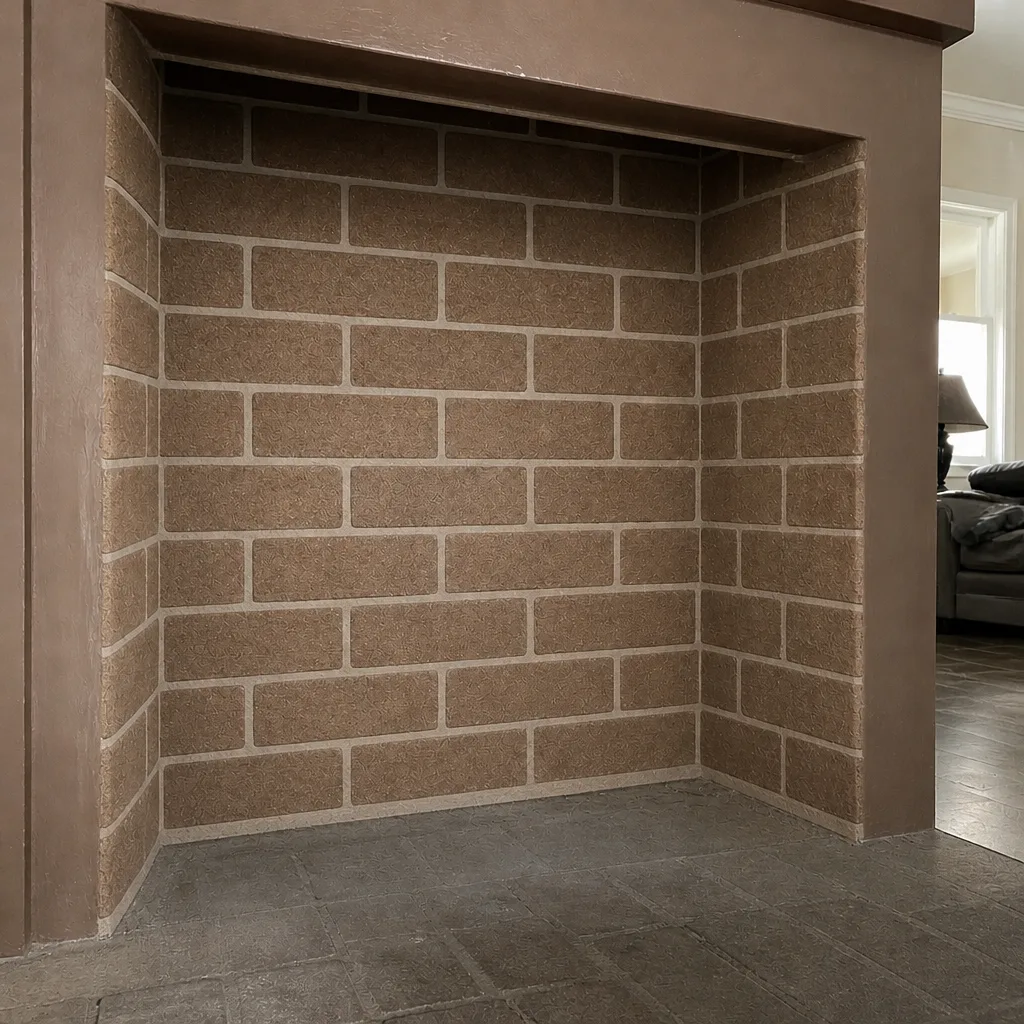
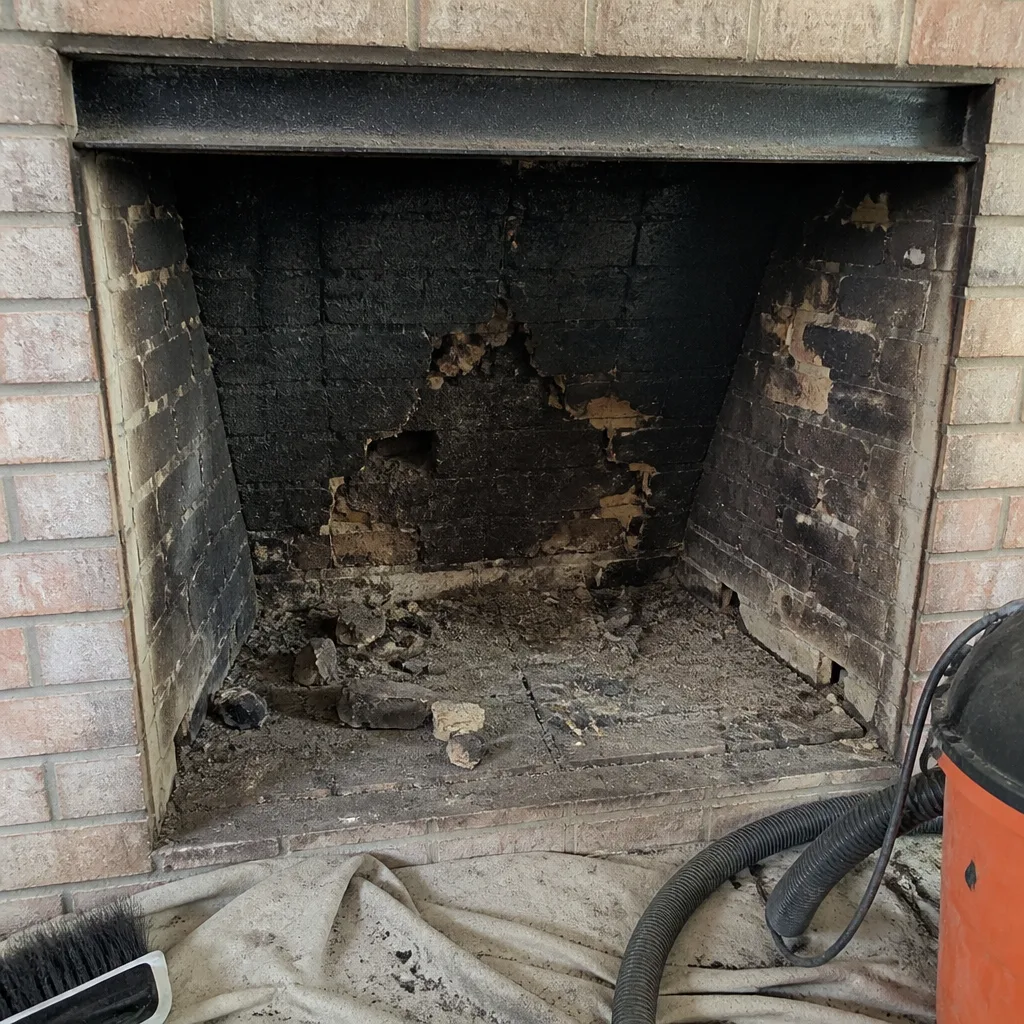
See the difference
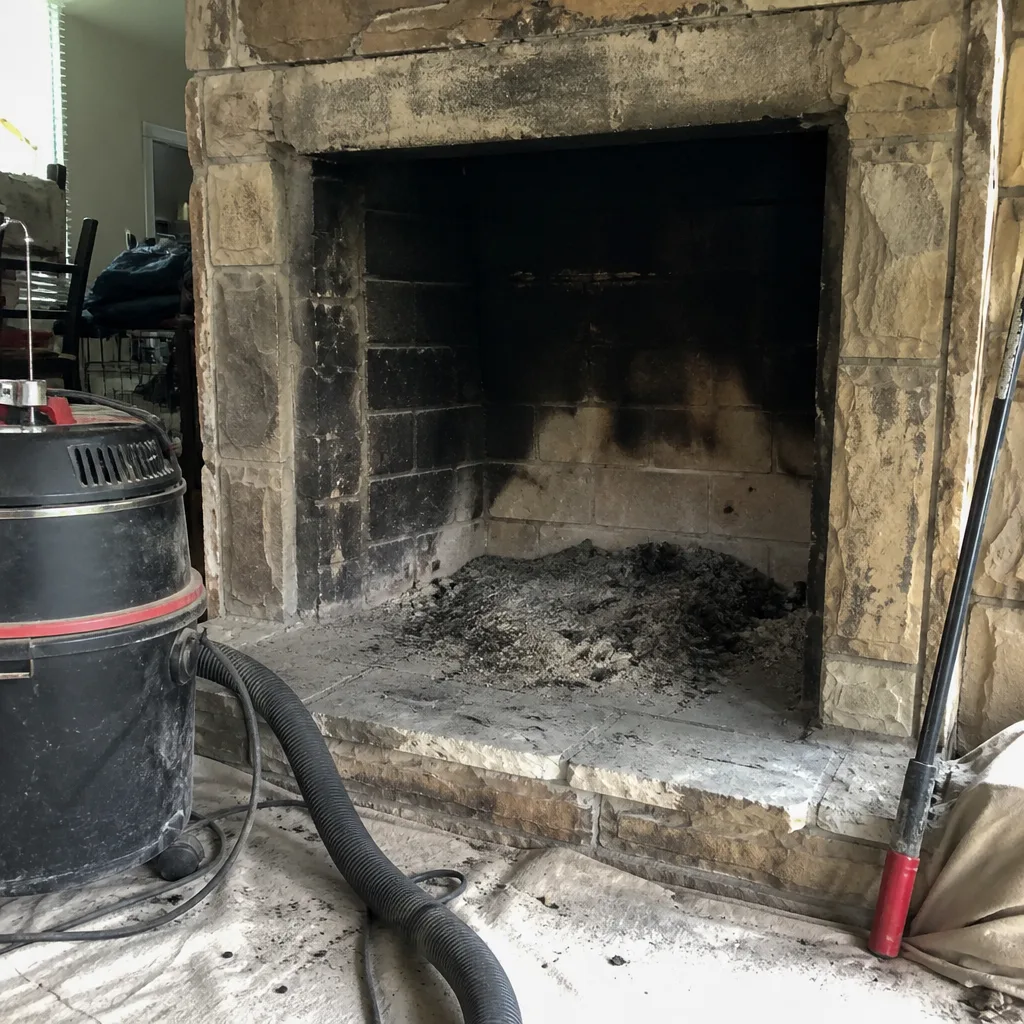 Before
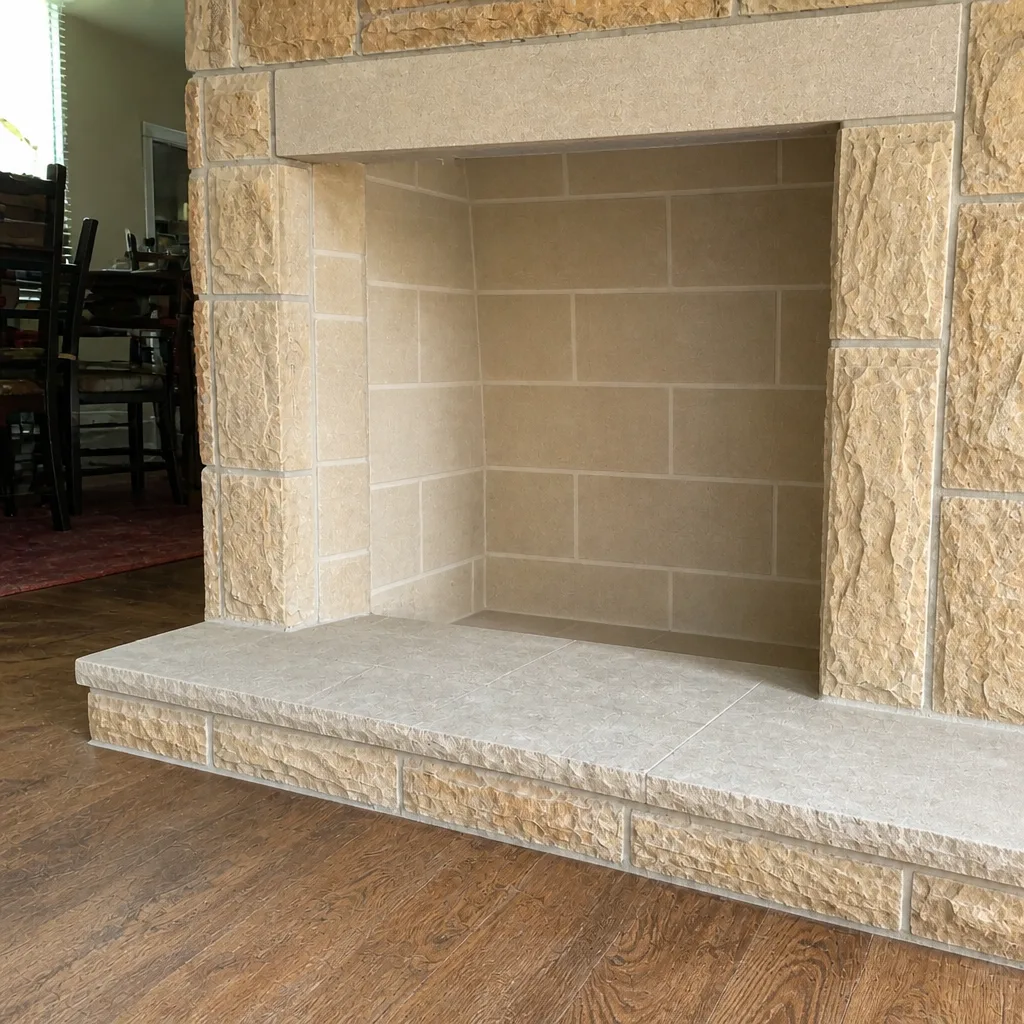 After
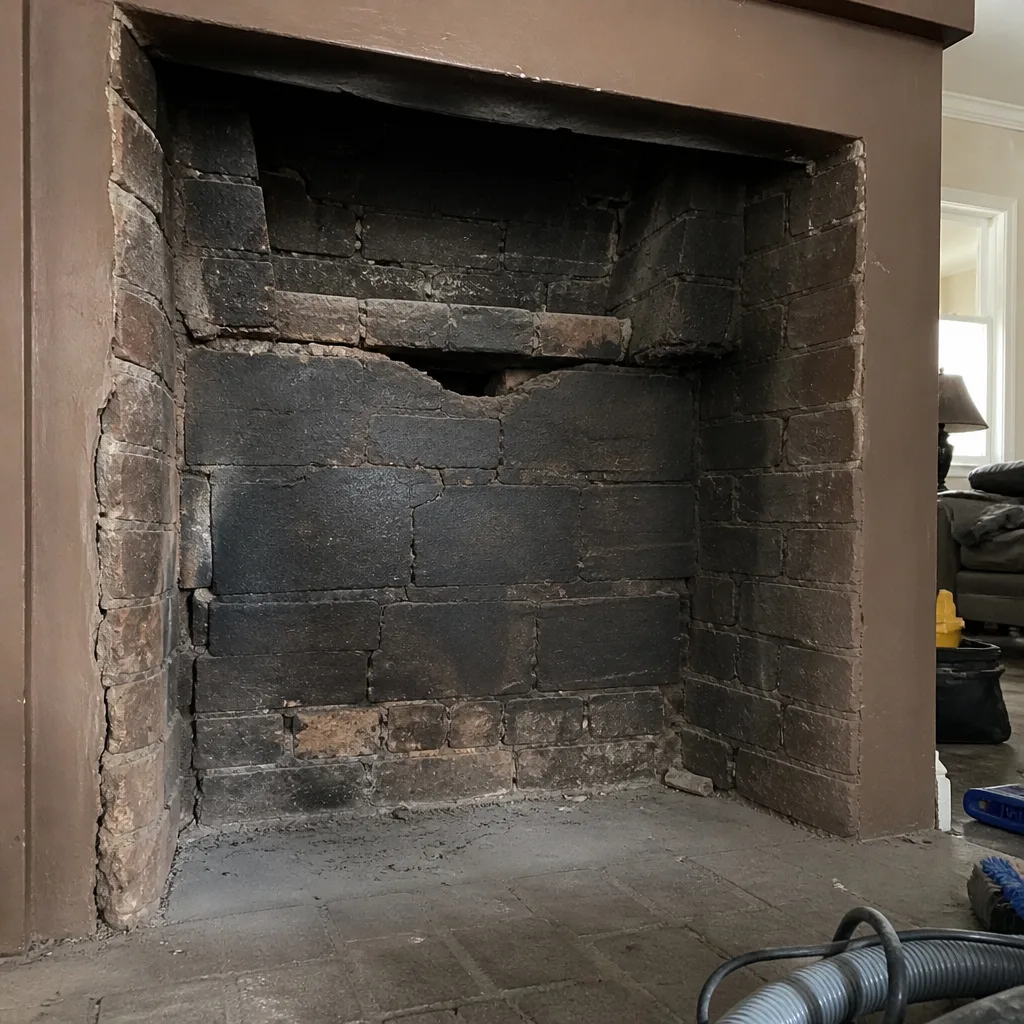 Before
 After
 Before
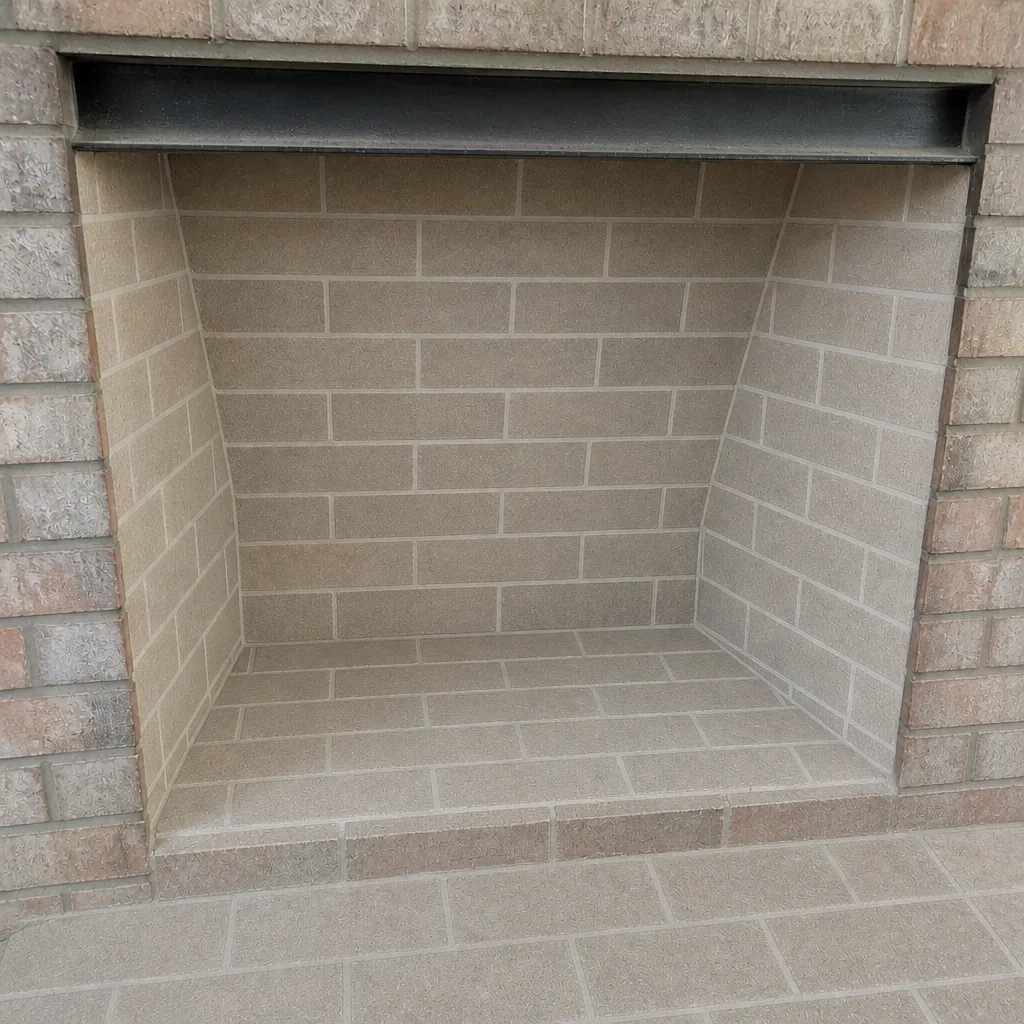 After
When to Call a Professional
Some items genuinely can be scheduled at your convenience. Others need a call now. Call us if you see glazed creosote in the firebox, if smoke backs into the room when you light a fire, if the dryer is taking much longer to dry clothes or feels hot to the touch, or if you notice spalling brick or crumbling mortar on the chimney exterior. Also call if you’ve moved into a home where the chimney’s history is unknown – a first inspection tells you what you’re working with. If the answer is that work can safely wait, we’ll say so. Nothing is recommended without camera evidence you can see for yourself, and the written estimate sets the price before any work begins. New Orleans Chimney Cleaning offers free estimates in New Orleans – call (833) 946-8575. We answer 24/7. Fast dispatch from 7am to 7pm, Sunday through Friday.
Frequently Asked Questions
Once a year for most wood-burning fireplaces, scheduled in late winter or early spring right after burn season. Homes that use wood as a primary heat source should sweep twice a year. Gas log sets need an annual inspection even though they don’t produce creosote. Call (833) 946-8575 to book a visit.
Because the damage that matters most happens over the humid off-season, not during burn season. A spring inspection catches winter damage and moisture intrusion before the wet summer months compound it. A fall inspection catches problems after they’ve had nine months to develop, with little time to repair before you want to burn. Call (833) 946-8575 to schedule.
Only if the liner is genuinely compromised, and we’ll show you the camera footage before recommending anything. Many flues with hairline cracks can be restored with HeatShield ceramic resurfacing instead of a full reline, which is a less costly repair. If a flue is too far gone for resurfacing, we can install a DuraFlex flexible liner. Nothing gets recommended that isn’t on camera, and if the work can wait, we’ll tell you. Call (833) 946-8575 for an assessment.
Once a year for most households, more often if the dryer runs daily or you dry heavy items frequently. Clean sooner if clothes take longer to dry or the dryer feels hot to the touch. A lint-clogged vent traps heat and is a real fire risk. Call (833) 946-8575 to add it to your annual visit.
Creosote builds up in the flue and can fuel a chimney fire, and moisture damage continues quietly through every wet summer. The longer it goes, the more likely a small repair becomes a larger one. If the chimney’s history is unknown, a first inspection tells you where things stand. Call (833) 946-8575 – the estimate is free.
No – roof work and chimney repairs are dangerous and require the right materials and techniques. You can inspect the firebox and the chimney exterior from the ground, which catches many early warning signs. For anything involving the flue, the cap, or the masonry, call a professional. Call (833) 946-8575 for a free estimate.
The Bottom Line
A chimney maintenance schedule for a New Orleans home shouldn’t follow the national fall calendar. The local burn season is short and the humid off-season is long, which means post-season cleaning and inspection in March or April is the anchor that matters most. Add a summer masonry inspection, a pre-season draft test in fall, and an annual sweep interval tuned to how you actually burn. Put dryer vent cleaning on the same annual pass, since it’s a fire risk that gets skipped more often than chimney maintenance. Watch for spalling brick, white staining, and glazed creosote between visits, and call when you see them. One maintenance calendar can cover both fire hazards in your home.
If you’re ready to set up your annual schedule, contact New Orleans Chimney Cleaning for a free estimate. We cover sweeping, repair, and dryer vent cleaning in one place, and we carry the fix, not just the inspection report. Call (833) 946-8575. We answer 24/7. Fast dispatch from 7am to 7pm, Sunday through Friday.
Written by the team at New Orleans Chimney Cleaning.