
Last updated November 15, 2026
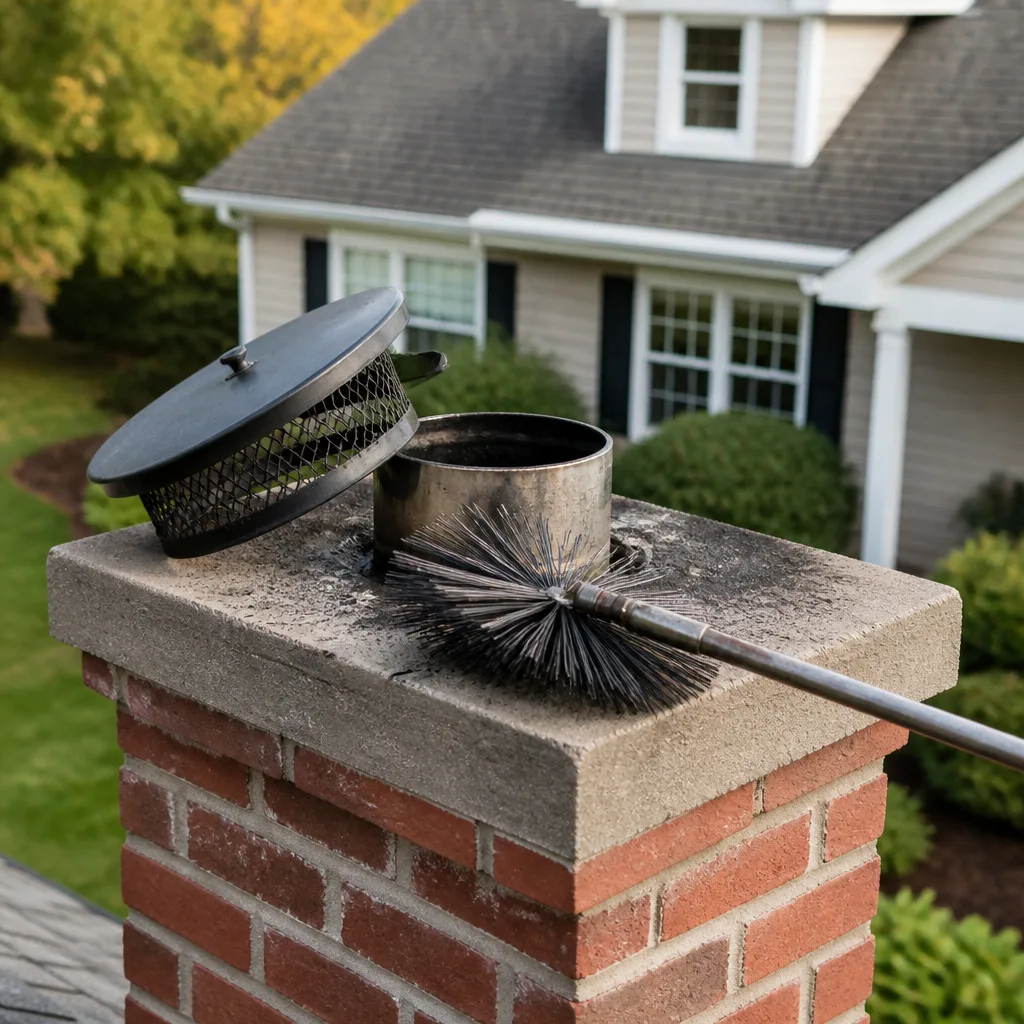 Sweep & inspection
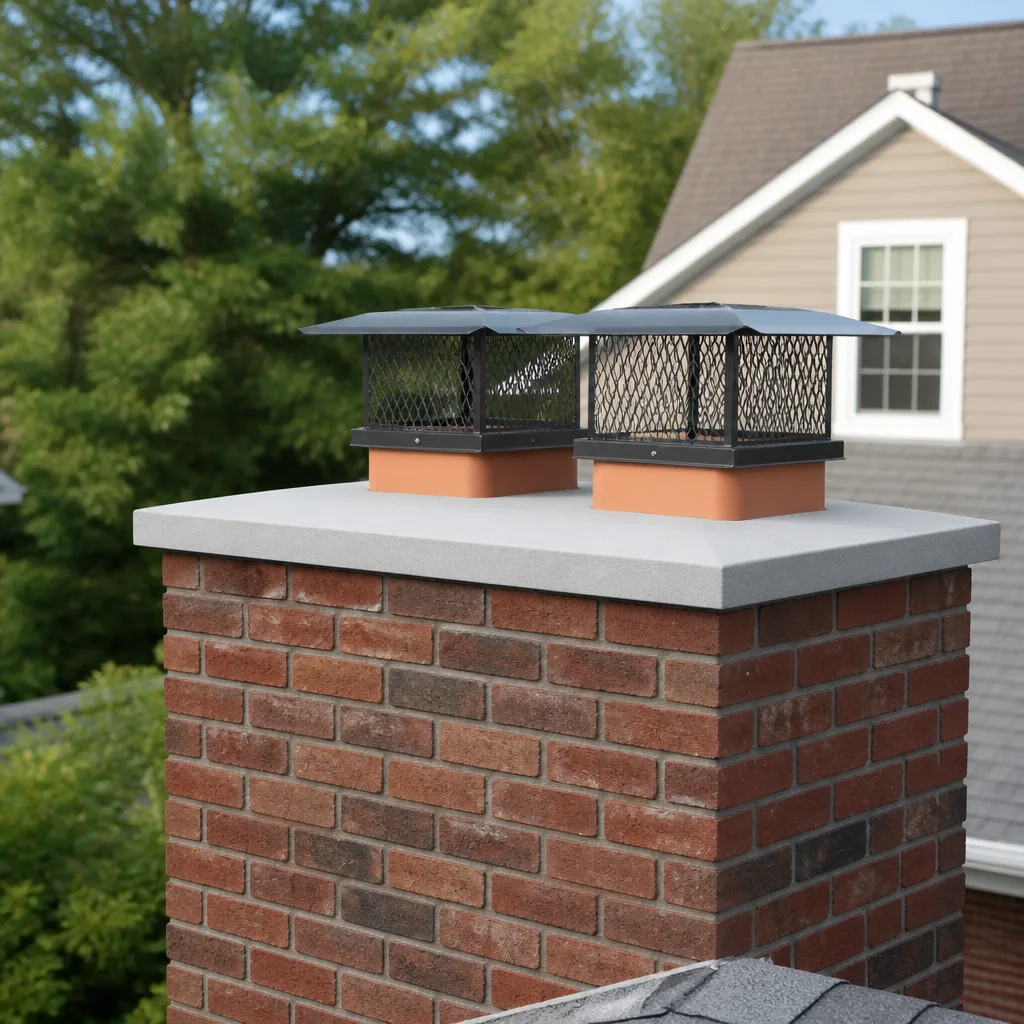 Caps & crowns
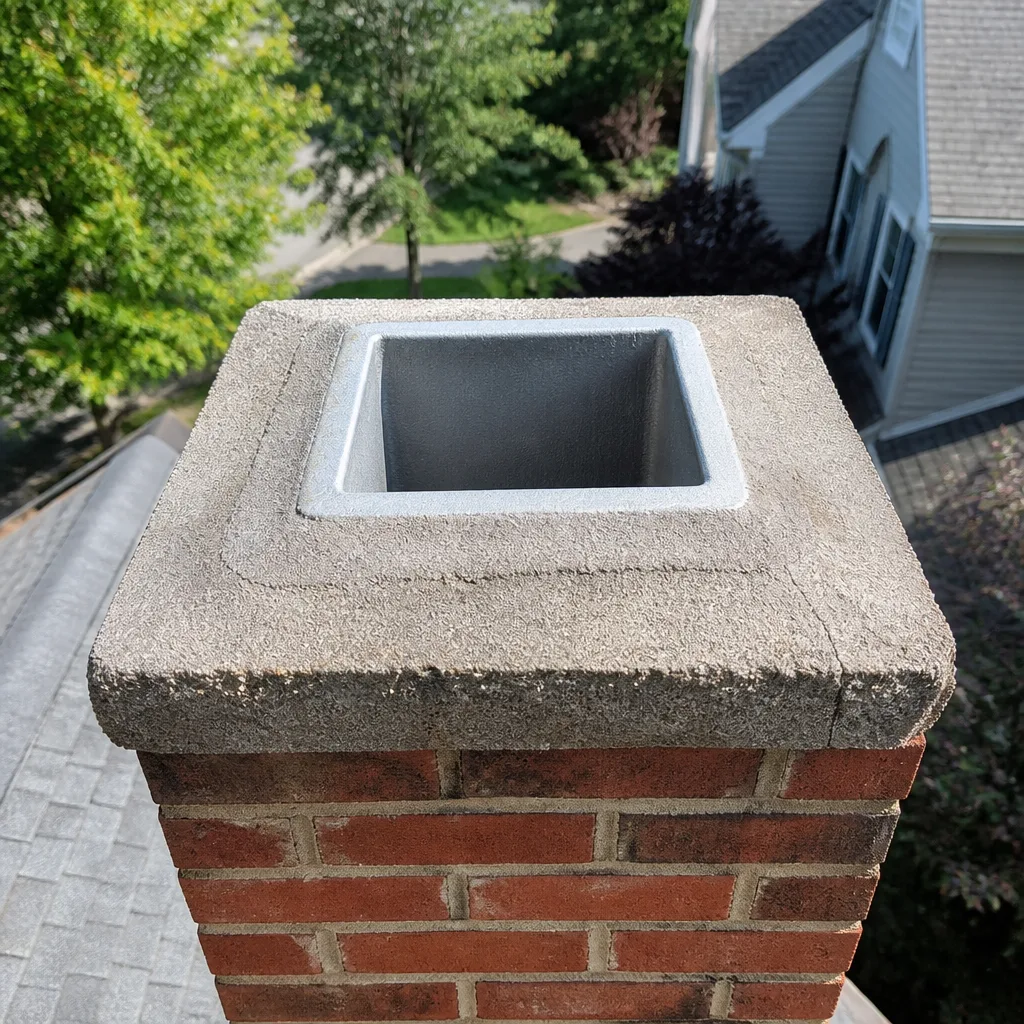 Flue relining
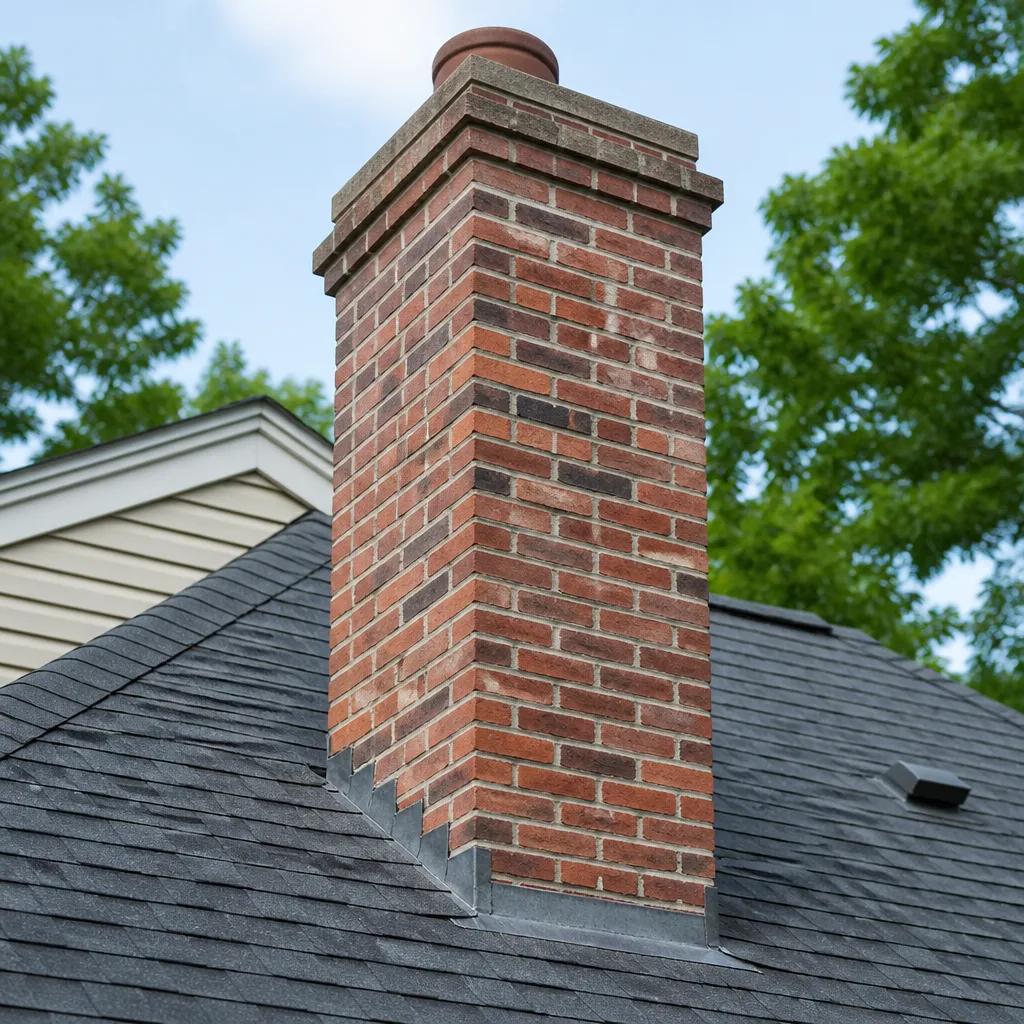 Masonry repair
 Gas fireplace service
Level 1 sweep and inspection to the NFPA 211 annual standard - flue, crown, cap, and flashing checked and photographed
Chimney sweep logs do not sweep chimneys. They loosen some creosote - which then falls where a brush and vacuum still have to collect it.
Chimney Cleaning Warning Signs: A New Orleans Homeowner’s Reference Guide
If you’re waiting for your chimney to smell bad or smoke up the room before calling a sweep, you’ve already missed the first three warning signs that matter most in New Orleans. Most chimney guides are written for cold-climate homes that burn hard all winter, so they focus on creosote and smoke. Here, fireplaces often sit idle for months, then get used in short bursts when the weather finally turns. That pattern produces a different set of problems, and most of them start on the outside of the chimney, not the inside. This guide walks through the structural, moisture, draft, and odor signals that tell you when a New Orleans chimney needs professional attention, and how to tell a simple sweep from a repair job.
Quick Answer
The most important chimney cleaning and repair warning signs in New Orleans are exterior masonry problems (white staining, flaking brick faces, crumbling mortar at the crown), interior liner damage (cracked flue tiles, gaps at joints, rusted metal liners), draft and backdraft issues, and odor patterns like musty or sulfur smells. Any of these means the chimney needs an inspection by a professional, not just a cleaning. If you see spalling brick or smell a musty odor after rain, stop burning until it’s inspected.
Styles & brands we work with
- Sweep & inspection
- Caps & crowns
- Flue relining
- Masonry repair
- Gas fireplace service
Table of Contents
- Why New Orleans Chimneys Fail Differently
- Exterior Warning Signs: What the Outside of Your Chimney Is Telling You
- Interior Warning Signs: Liner Failure vs. Simple Creosote Buildup
- Draft and Backdraft Problems: When Smoke Won’t Go Up
- Odor Patterns and What Each One Actually Means
- After a Storm: When to Stop Using Your Fireplace Immediately
- A Seasonal Checklist for New Orleans Homeowners
- Sweep or Repair? How to Know Which You Need
Why New Orleans Chimneys Fail Differently
New Orleans has a long, humid warm season and a short, mild winter. That combination changes how a chimney ages. In colder parts of the country, the main enemy is creosote from heavy, continuous burning. Here, the main enemy is moisture. Masonry is porous, and in a humid climate it stays damp for long stretches. Water works its way into brick faces and mortar joints, then expands, contracts, and slowly breaks the masonry apart from the inside. Add in the heavy rain that comes through in summer thunderstorms, and the exterior of your chimney takes far more punishment than the flue does during the burn season.
This is why a New Orleans homeowner’s warning signs look different. You’re less likely to notice a heavy creosote smell and more likely to notice a chalky white stain on the brick, or a smell in the firebox after a rainstorm. Both point to moisture intrusion, and moisture intrusion is the seed of most chimney repairs we handle in New Orleans.
A second local factor is how intermittently fireplaces get used. Many homes here burn a handful of times over the cooler months, so creosote builds slowly, but the chimney sits idle and damp for the rest of the year. That idle, humid period is when masonry and liners deteriorate. A sweep after the burn season catches buildup; a properly timed inspection catches structural decline. The two aren’t the same, and knowing which one your chimney needs is the whole point of this guide.
Exterior Warning Signs: What the Outside of Your Chimney Is Telling You
Walk outside and look at your chimney once a season. The outside tells you more than most homeowners realize, and the signs are visible without climbing anything. If any of the following show up, treat it as a signal to get a professional assessment rather than simply cleaning the flue.
1. White Staining (Efflorescence)
A powdery white stain on the brick is called efflorescence, and it’s the most common moisture warning sign we see on New Orleans chimneys. Efflorescence forms when water moves through masonry and evaporates on the surface, leaving mineral salts behind. On its own it’s cosmetic, but it’s a clear signal that water is getting into the brick. If you see it spreading or appearing in new patches after rain, the chimney has an active moisture path that needs to be found and closed.
2. Spalling Brick Faces
Spalling is when the front face of a brick flakes off or crumbles. Unlike efflorescence, spalling is not cosmetic. It means the brick is saturated and has been expanding and contracting through moisture cycles until the surface gives way. Once spalling starts, it accelerates, because the freshly exposed inner brick absorbs water even faster. Spalling brick on a New Orleans chimney is a repair signal, and it usually points to a masonry or crown problem that has been building for a while.
3. Eroding Mortar Joints at the Crown
The crown is the sloped concrete cap at the top of the chimney. It’s designed to shed water away from the masonry. When the crown cracks or the mortar joints beneath it erode, water runs down into the chimney body instead of off it. Look for crumbling mortar lines between the bricks just below the crown and any visible gap where the crown meets the brick. This is the entry point for most of the moisture problems described above, and it’s one of the more affordable things to fix before the damage spreads.
4. A Missing or Rusted Cap
The spark arrestor and cap keep rain, birds, and debris out of the flue. A missing, rusted, or badly fitting cap lets water straight into the chimney, which is especially problematic in New Orleans where the rainy season is long. Replacements are available in professional-tier components from brands like Olympia Chimney and Famco, and they’re one of the fastest way to stop moisture intrusion before it costs more.
5. Staining on the Interior Walls Around the Chimney
Look inside your house too. Brown or yellowish staining on the wall or ceiling near the chimney is water that has traveled all the way through the masonry and into the living space. This is a stop-and-call-someone sign. It means the exterior moisture problem has already defeated whatever barrier existed between the chimney and the interior, and the repair scope has grown.
Interior Warning Signs: Liner Failure vs. Simple Creosote Buildup
The single most useful distinction in chimney care is the difference between a flue that’s dirty and a flue that’s damaged. A dirty flue needs a sweep. A damaged liner needs a contractor. The symptoms overlap, which is exactly why a professional inspection matters. Still, you can start to tell the difference yourself from the firebox and the firing behavior.
Signals of Simple Creosote Buildup
- Flue feels restricted on the draw, but the chimney otherwise behaves normally
- Dark, flaky, or glazed deposits visible in the firebox or smoke chamber
- A smoky smell in the house that’s strongest after a burn
- No visible cracks, no water intrusion, no staining
Glazed or “third-degree” creosote is the hardest to remove and is a real fire risk, so it needs professional sweeping, not a homeowner brush.
Signals of Liner Failure
- Cracked or missing flue tiles visible from above or through the smoke chamber
- Chunks of masonry or flue tile falling into the firebox
- Rust or corrosion on a metal liner
- Visible gaps at liner joints or where the liner meets the crown
- Smoke or combustion byproducts escaping into other parts of the house
Any of these means the flue is no longer safely containing the fire and exhaust. Cracked flue tiles let heat reach framing and let carbon monoxide escape into the home, and a rusted metal liner has lost the integrity it needs to work. This is not a sweeping problem, and it’s not something a cleaning will solve. If the liner is damaged, we restore it using HeatShield ceramic resurfacing when the flue can be saved, or a DuraFlex flexible liner when it can’t. Both are professional-tier repair options that fix the problem instead of just sweeping around it.
Here in New Orleans, liner damage often starts with the moisture issues described above. A cracked crown lets water into the chimney body, the flue tiles absorb it, and a few cool seasons later you have a hairline crack that’s opening up. That’s why we inspect the outside of the chimney along with the inside on every sweep.
Draft and Backdraft Problems: When Smoke Won’t Go Up
Draft problems are one of the few chimney issues you can feel from inside the house, and most homeowners misread them as “the fireplace just needs cleaning.” Sometimes that’s true. Often it isn’t. Draft is the pressure difference that pulls smoke and combustion gases up and out of the flue. When it fails, the cause is either a restriction (blockage, heavy buildup) or a structural break in the flue (a gap in the liner, a disconnected smoke pipe, or a damaged crown). The first is a cleaning job. The second is a repair job.
How Draft Problems Show Up
- Smoke rolls into the room when you first light a fire, then settles once the fire is burning hot. This points to a cold flue or a mild blockage and is often fixable with a warm-up burn and a sweep.
- Smoke rolls into the room continuously, even with the fire burning steadily. This points to a restriction or a structural break and needs inspection before you burn again.
- The fire is hard to light and burns weakly, especially compared to past seasons. A change in draw is a change in the flue, so pay attention to it.
- Soot appears on the mantel or the wall above the opening. That’s combustion products finding a way out of the flue, not just a cosmetic mess.
- You smell smoke in upstairs rooms, closets, or the attic. This can indicate a gap in the flue that’s leaking into concealed spaces, which is serious.
Why Backdraft Matters More Than It Looks
Backdraft, which is when smoke and combustion gases come back down the flue or fail to rise, is a fire-safety and carbon-monoxide concern, not just an annoyance. It’s the reason we want a technician looking at the whole chimney after any run of draft problems. A blocked or broken flue sends combustion gases into the house, and carbon monoxide doesn’t have an odor to warn you. If your draft has changed and stayed changed, the safest move is to stop burning and get the chimney inspected.
Odor Patterns and What Each One Actually Means
Odors are one of the most useful diagnostic signals a homeowner has, because each smell generally points to a different problem. Here’s how to read the three smells we hear about most in New Orleans.
Musty, Damp, or “Basement” Smell
Musty odor usually means moisture is present somewhere in the chimney or the smoke chamber. It’s often strongest after rain, and it usually points to the exterior moisture problems described earlier: a failing crown, cracked mortar, a missing cap, or spalling brick. Sometimes the firebox and damper are simply damp from the humid New Orleans climate and need a dedicated sweep and a look at the crown. Musty smell is not a creosote problem and a standard sweep alone may not fix it. Call for an inspection if the smell lingers or returns after rain.
Smell of Burning Plastic or a Chemical Odor
A plastic or chemical smell can come from a few sources. Sometimes it’s the paint or finish on a new cap or new flashing curing. Sometimes it’s a decorative item, a wiring issue, or debris in the firebox. Occasionally it points to overheating components in or around the firebox. If the smell appears when the fireplace is not in use, that’s worth an inspection to rule out wiring or an overheating metal liner. If it appears during a burn and doesn’t go away, stop burning and have the chimney looked at.
Sulfur or “Rotten Egg” Odor
Sulfur odor is the one to treat most seriously. It’s not a normal chimney smell, and it can indicate a variety of things from a dead animal in the flue to a gas or combustion byproduct problem. Because carbon monoxide and other combustion gases are dangerous and odorless in their own right, a sulfur smell deserves a same-day call. Turn off the fireplace, open windows if appropriate, and call for an assessment.
Tar or Asphalt Smell
This is creosote. A strong tar smell means significant buildup in the flue, and depending on the level, the flue needs professional sweeping before the next burn. This is the classic signal that most national chimney guides focus on, and it’s still worth heeding. It’s just not the most common warning sign in New Orleans, which is the point of this whole guide.
After a Storm: When to Stop Using Your Fireplace Immediately
A storm can change a chimney in ways that aren’t obvious from the couch. High winds, heavy rain, and lightning all have the potential to damage a chimney, even when nothing looks different from inside the house. Here’s how we approach a post-storm check.
Stop Burning Immediately If You See Any of These
- Water stains or drips in the firebox or around the chimney
- A piece of brick, tile, or mortar lying in the firebox
- A new crack in the masonry or a piece of the crown on the ground outside
- A missing or displaced cap
- Smoke entering the room when you test-draw the fireplace
- Any smell of gas, sulfur, or burning plastic after the storm
Water is the most common post-storm problem we see, and in New Orleans, humidity means it’s often already present before the storm adds to it. A wet chimney should not be lit. Moisture in the firebox and flue can create steam pressure and can damage liners further if a fire is built while the masonry is saturated.
What to Do Before Your Next Burn
- Look at the outside first. Check the brick faces, mortar joints, crown, and cap. Any spalling, new staining, or missing pieces means call before you burn.
- Check the firebox and smoke chamber for debris, water staining, or fallen masonry.
- Test the draft with a small paper fire. If smoke rolls into the room and stays, stop and call.
- Schedule a post-storm inspection if you saw anything that didn’t look right. It’s much cheaper than repairing a chimney fire or water damage later.
This is also a good moment to mention your dryer vent if it sits on an exterior wall. A storm that blows debris against a vent termination can block airflow, and a clogged dryer vent is a fire hazard in its own right. We handle that alongside chimney work so a single call covers both hazard sources. If it’s been a while since your vent was checked, our dryer vent cleaning service starts with a look at the termination, not just the lint.
A Seasonal Checklist for New Orleans Homeowners
A seasonal walkaround catches most of the warning signs before they turn into repairs. Here’s the routine we recommend. You don’t need tools for the first pass, and you don’t need to climb anything to spot the biggest problems.
Before the Burn Season
- Walk the exterior and look for spalling brick, efflorescence, eroded mortar at the crown, and a missing or rusted cap.
- Look inside the firebox for fallen debris, water staining, or cracked flue tiles.
- Do a small draft test before the first real burn.
- Check the damper to make sure it opens and closes fully.
- Look at the dryer vent termination outside to make sure it’s clear and properly capped.
- Schedule a professional sweep and inspection so you start the season with a clean, verified flue.
After the Burn Season
- Sweep before the chimney sits. Creosote left in the flue through the humid months is more likely to turn corrosive or to harden into glazed deposits.
- Look for new exterior damage. This is when moisture damage tends to show up first, after the rainy season.
- Address the crown if it’s compromised. Fixing it in dry weather is easier than fixing the masonry below it next season.
- Inspect the dryer vent if your dryer is running longer than usual or the outside flapper sticks.
If you’d like the full seasonal sweep and inspection handled by professionals, our chimney sweep service includes a camera inspection and a written report, so you know exactly what’s clean, what’s damaged, and what can safely wait. If your home is in one of the older neighborhoods around New Orleans where brick chimneys and original flues are common, an annual look is worth the appointment, especially if you haven’t had the chimney inspected since you bought the house.
Sweep or Repair? How to Know Which You Need
The table below is a quick way to sort what you’re seeing. The rule of thumb: if the issue is inside the flue and is only buildup, it’s a sweep. If the issue is in the masonry, the liner, the crown, or the cap, it’s a repair. Many chimneys need both, and that’s fine, because we handle both in a single visit.
- Sign: Dark, flaky or glazed creosote in the flue, smoky smell after burns – likely a sweep.
- Sign: Cracked flue tiles, missing tile, flue debris in the firebox – likely a liner repair or reline.
- Sign: Rusted or corroded metal liner – likely liner replacement.
- Sign: White staining or spalling brick on the exterior – likely masonry repair, crown work, or resurfacing.
- Sign: Cracks or erosion at the crown – likely crown repair or replacement.
- Sign: Missing or damaged cap – cap replacement, often paired with a sweep.
- Sign: Draft or backdraft that persists – inspection first, then sweeping or repair depending on what’s found.
- Sign: Musty or damp odor after rain – inspection for moisture intrusion, and repair where needed.
- Sign: Sulfur or burning plastic smell – stop burning and call for inspection.
For the repair cases, the right fix depends on the condition of the flue. When the masonry flue is deteriorated but structurally sound, HeatShield ceramic flue resurfacing can restore it in place, which is often quicker and less expensive than a full reline. When the flue can’t be saved, a DuraFlex flexible liner is the professional-tier option we install. Gelco and Olympia Chimney components round out the kits for caps, dampers, and terminations. The point is that the fix is matched to the condition, not sold as a one-size option.
Common Mistakes to Avoid
- Assuming a smoky smell always means creosote. In New Orleans, a smoky or musty smell often means moisture intrusion, and a standard sweep won’t solve it. Get the exterior inspected too.
- Ignoring white staining as cosmetic. Efflorescence means water is moving through your masonry. Left alone, it leads to spalling brick and, eventually, interior water damage.
- Burning through a draft problem that hasn’t been diagnosed. A persistent change in draw is a structural signal, not a nuisance. Stop and get it looked at.
- Treating a rusted metal liner like a dirty flue. Rust means the liner has lost integrity. A brushing will not restore it, and burning through it sends combustion gases into the house.
- Skipping the post-storm check. A storm can crack the crown or shift the cap without any obvious noise. A walkaround after heavy weather is quick and catches most of it.
- Forgetting the dryer vent. It’s the other fire-hazard vent in most homes, and if it’s never been cleaned, it’s a bigger risk than most homeowners assume. If it’s been a while, it’s time to have it checked.
- Booking a sweep-only contractor when the chimney needs repair. If the inspection finds liner damage or masonry problems, you want the same company to fix it, not a second appointment with a second contractor. We don’t just clean, we assess, repair, and restore.
See the difference
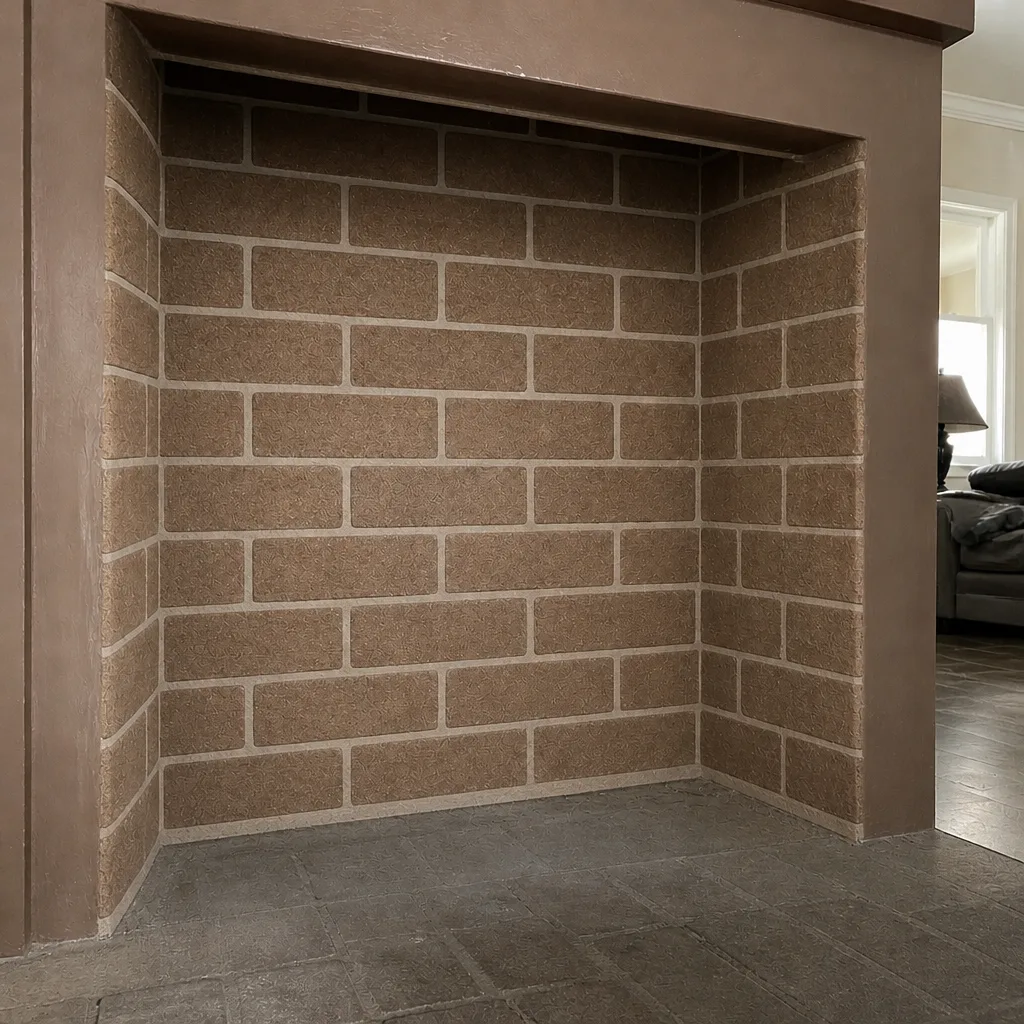
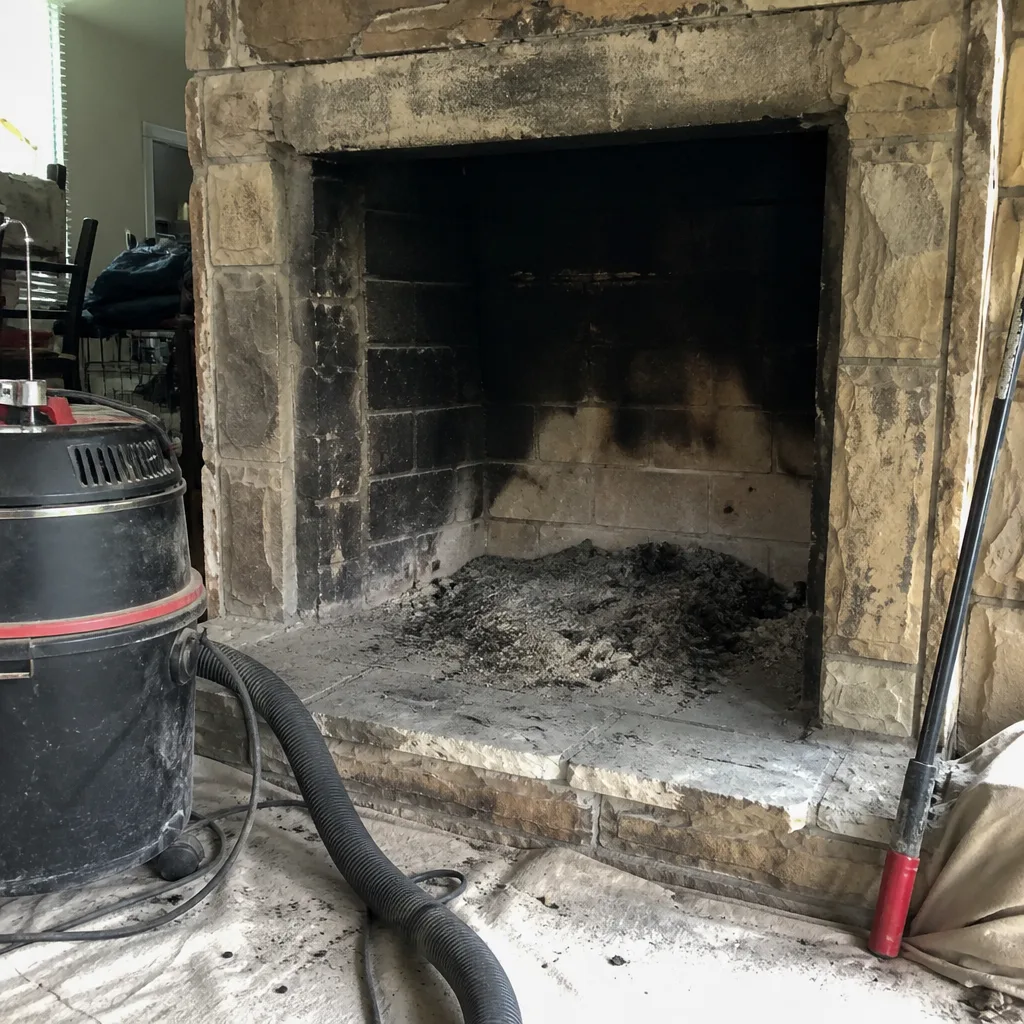 Before
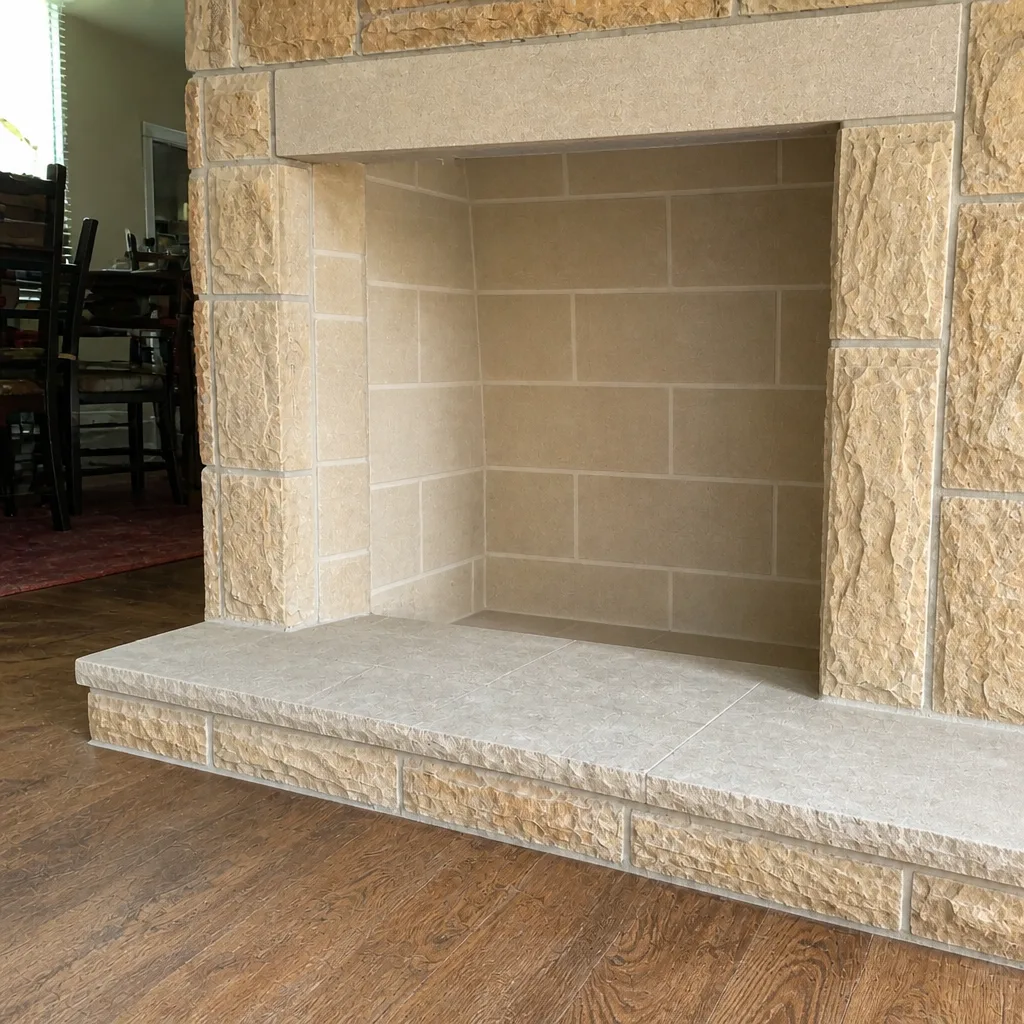 After
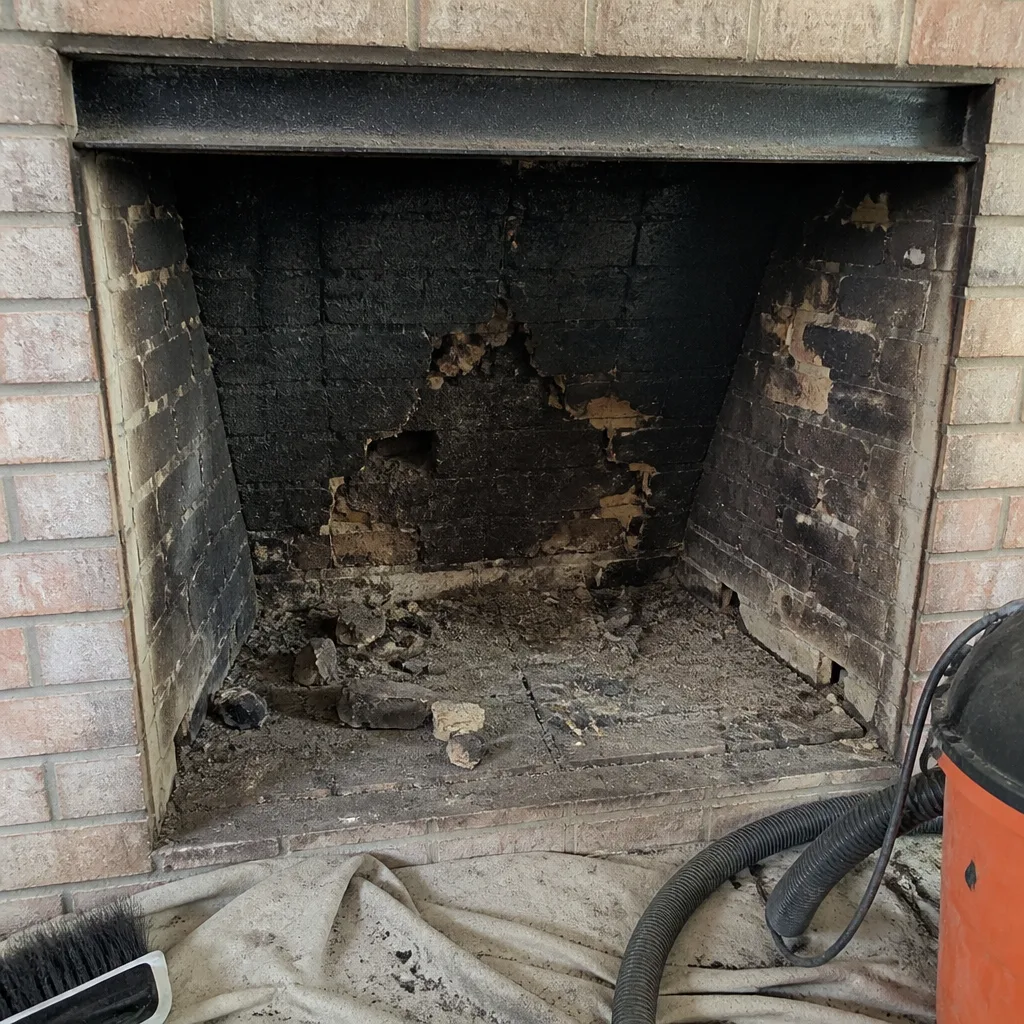
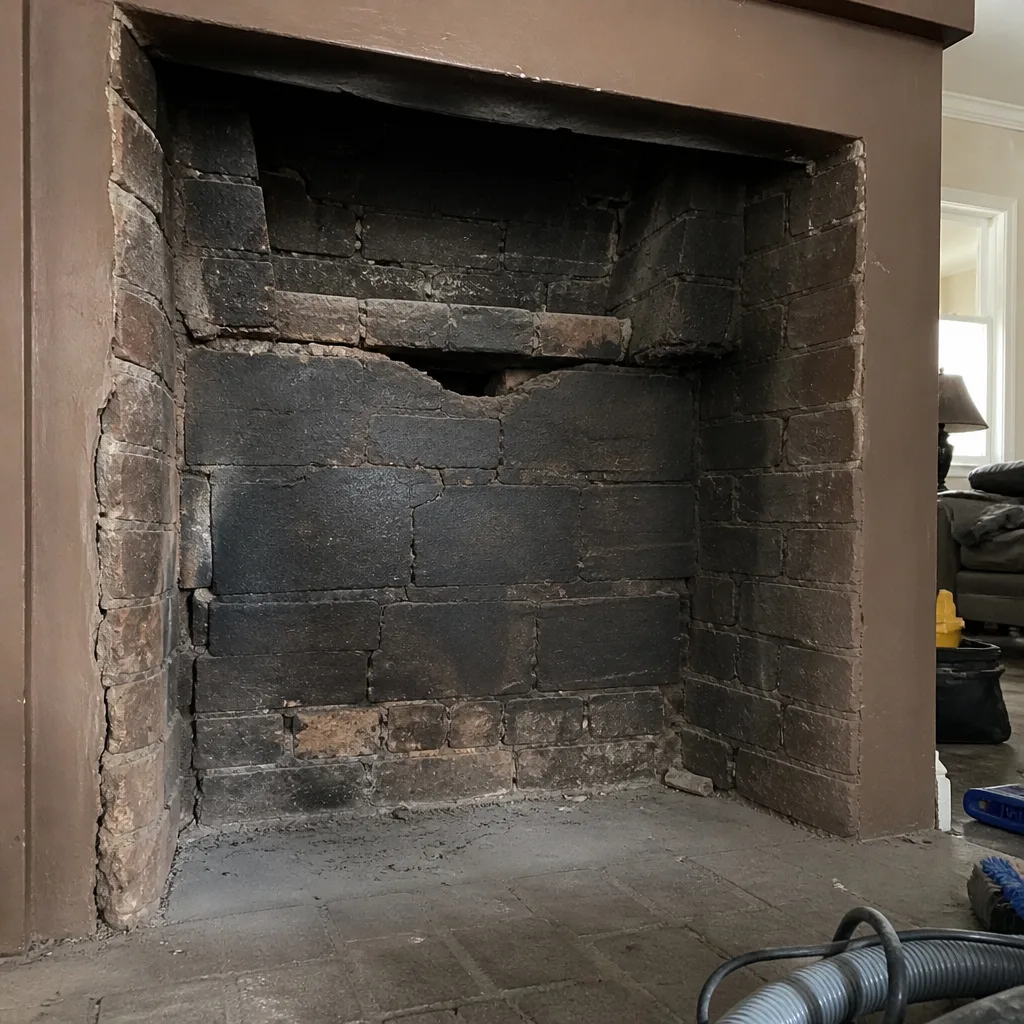 Before
 After
 Before
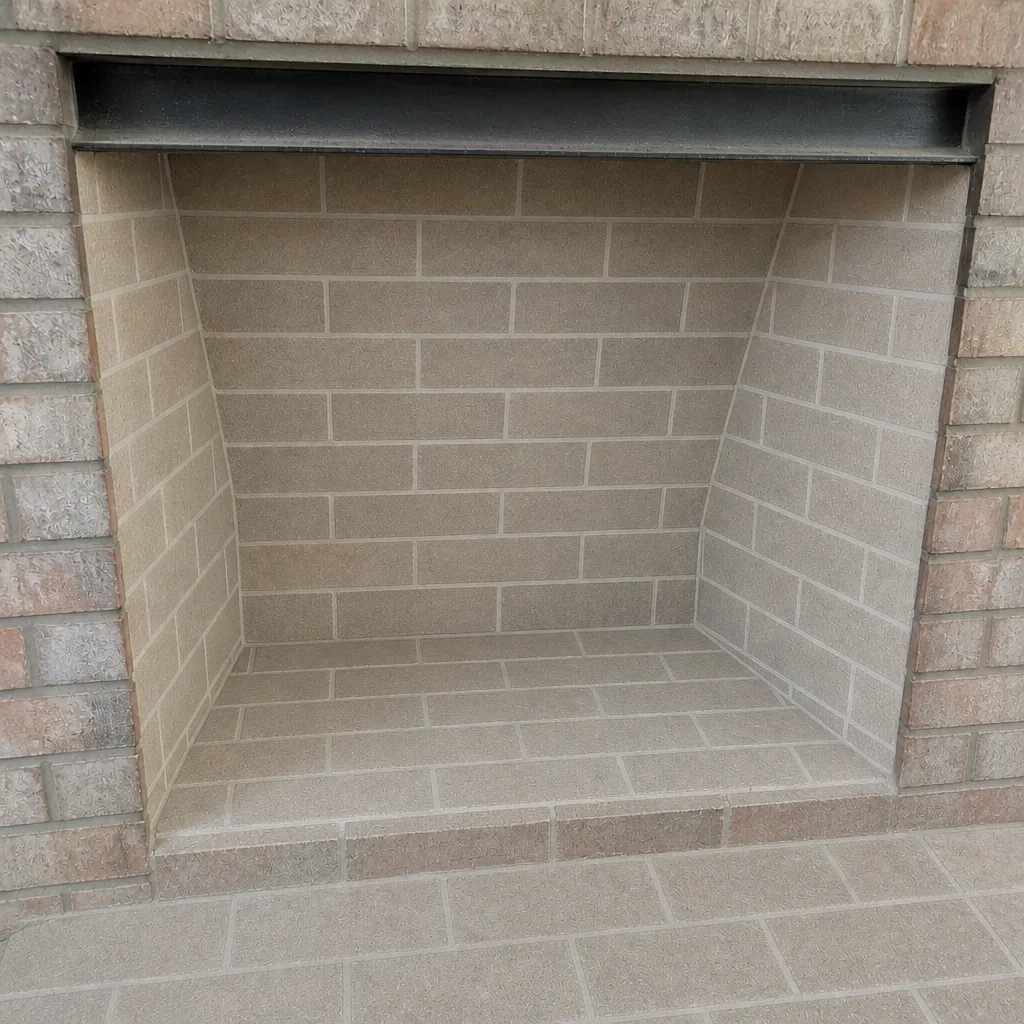 After
When to Call a Professional
Call a professional if you see spalling brick or white staining that’s spreading, if you see cracked or missing flue tiles, if you smell a musty or sulfur odor, if your draft has changed and stayed changed, or if a storm left any damage around the chimney or cap. Call sooner rather than later if you found fallen masonry in the firebox or water staining inside the house. If you’re unsure, call anyway: an inspection is the answer either way, and it’s better to know what’s going on before you spend money on a sweep that might not solve the problem. Our technicians have up to 14 years of experience diagnosing exactly these issues in New Orleans homes, and New Orleans Chimney Cleaning offers free estimates in New Orleans. Call (833) 946-8575 to schedule an inspection. We answer 24/7. Fast dispatch from 7am to 7pm, Sunday through Friday.
Frequently Asked Questions
The first signs in New Orleans are usually exterior: white staining on the brick, flaking brick faces, or eroding mortar at the crown. Those point to moisture, which is the leading cause of chimney damage here. Inside, a smoky smell, a weak draft, or visible creosote means the flue needs a sweep. If you see any of these, call (833) 946-8575 for a free estimate.
A musty or damp chimney smell almost always points to moisture intrusion, not to creosote from your burns. In New Orleans, a failing crown, cracked mortar, or a missing cap lets rain into the masonry, and the smell tends to be strongest after rain. A standard sweep won’t fix it, so an inspection is the right first step. Call (833) 946-8575 to schedule one.
Creosote buildup is inside the flue and will be visible as flaky or glazed deposits, while liner damage shows cracked tiles, missing chunks of tile, rust on a metal liner, or fallen masonry in the firebox. If the draft has changed or you see any fallen material, treat it as liner damage until inspected. Call (833) 946-8575 for an inspection and we’ll show you the camera footage.
Yes, but do a quick check first. Look at the exterior for a shifted cap, cracked crown, or missing brick, and look in the firebox for water or fallen material. If anything looks off, or if the draft test shows smoke rolling into the room, stop and call (833) 946-8575 before your next burn.
That depends on the condition of the flue. If the masonry is deteriorated but still structurally sound, HeatShield ceramic flue resurfacing can often restore it in place, which is usually less expensive than a full liner. If the flue can’t be saved, a DuraFlex flexible liner is the right fix. We inspect first and recommend based on what we find, not on a set package. Call (833) 946-8575 for a free estimate.
Once a year, even if you only burn a few times. In New Orleans, the risk isn’t a heavy creosote load, it’s moisture damage during the long humid season. An annual inspection catches exterior problems before they turn into repairs, and it confirms the flue is still safe to use. Call (833) 946-8575 to book a sweep and inspection.
The Bottom Line
The chimney warning signs that matter most in New Orleans are structural and moisture-related: white staining on the brick, spalling faces, eroding mortar at the crown, a rusted cap, and musty or damp odors after rain. Creosote is still a real concern, and standard sweeping still matters, but it’s not the main problem in a warm, humid climate. If you see exterior damage, smell something musty or sulfurous, notice a change in draft, or spot anything off after a storm, get an inspection. A professional sweep and a camera inspection will tell you whether you need cleaning or repair, and it will catch both in one visit. That’s the difference between a sweep and a proper diagnosis, and it’s what protecting your home in New Orleans actually requires.
Call New Orleans Chimney Cleaning at (833) 946-8575 for a free estimate on your chimney sweep, inspection, or repair, and for New Orleans Chimney Cleaning services that cover your flue and your dryer vent in a single visit. We answer 24/7. Fast dispatch from 7am to 7pm, Sunday through Friday, closed Saturday.
Written by the team at New Orleans Chimney Cleaning.