
Last updated November 15, 2026
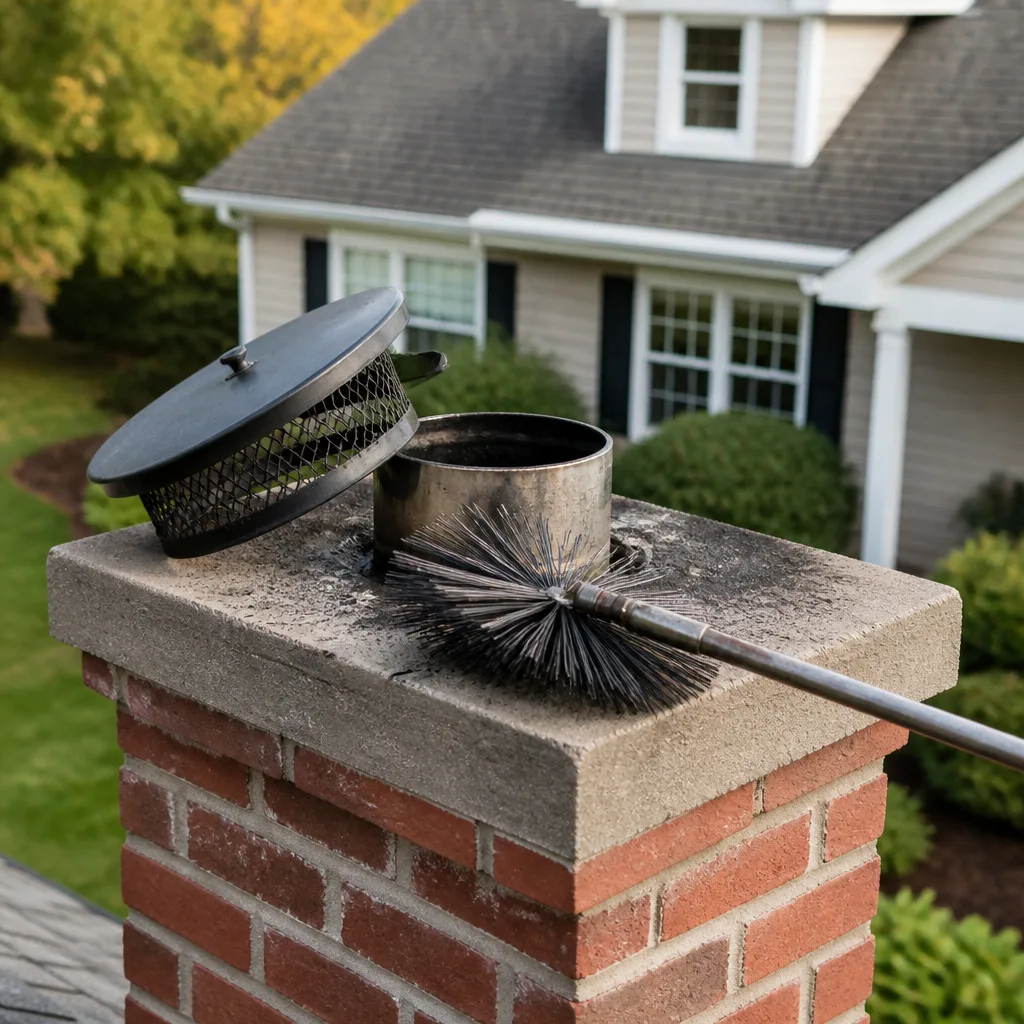 Sweep & inspection
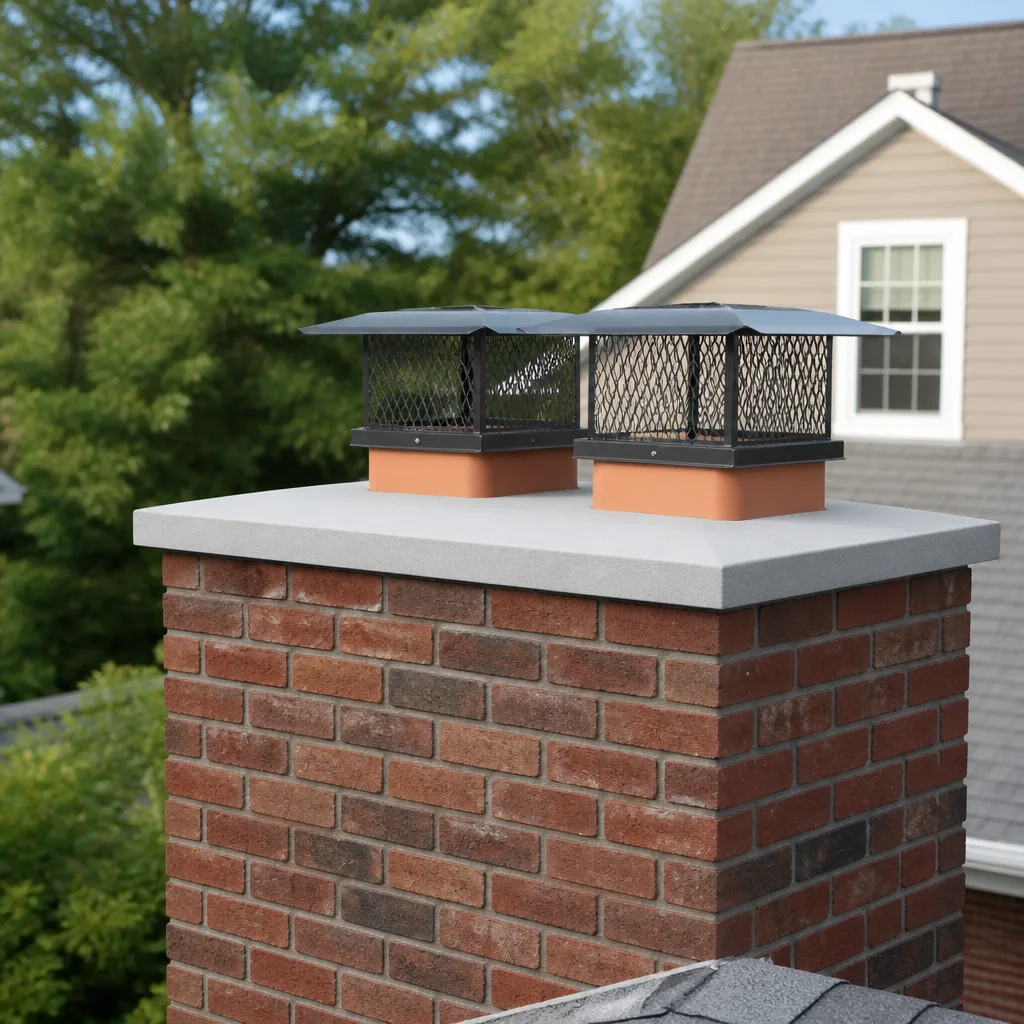 Caps & crowns
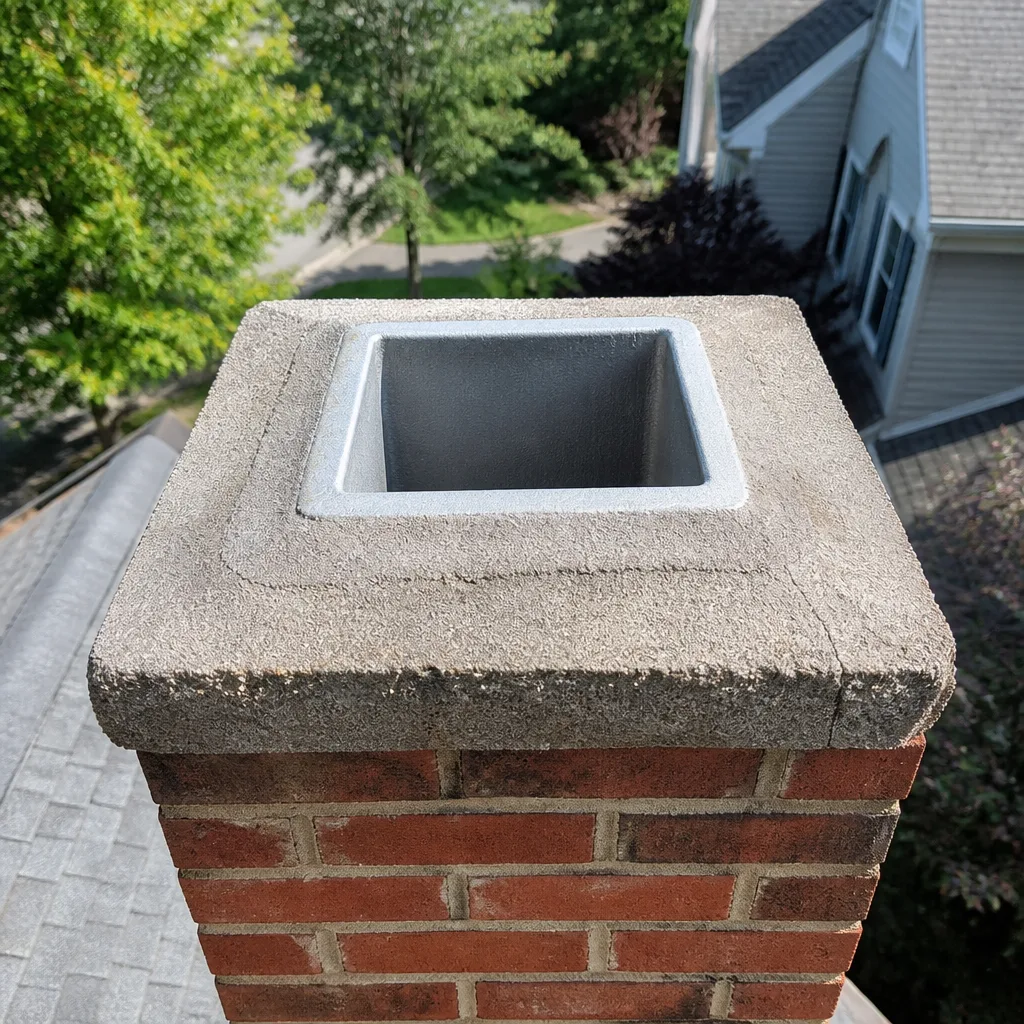 Flue relining
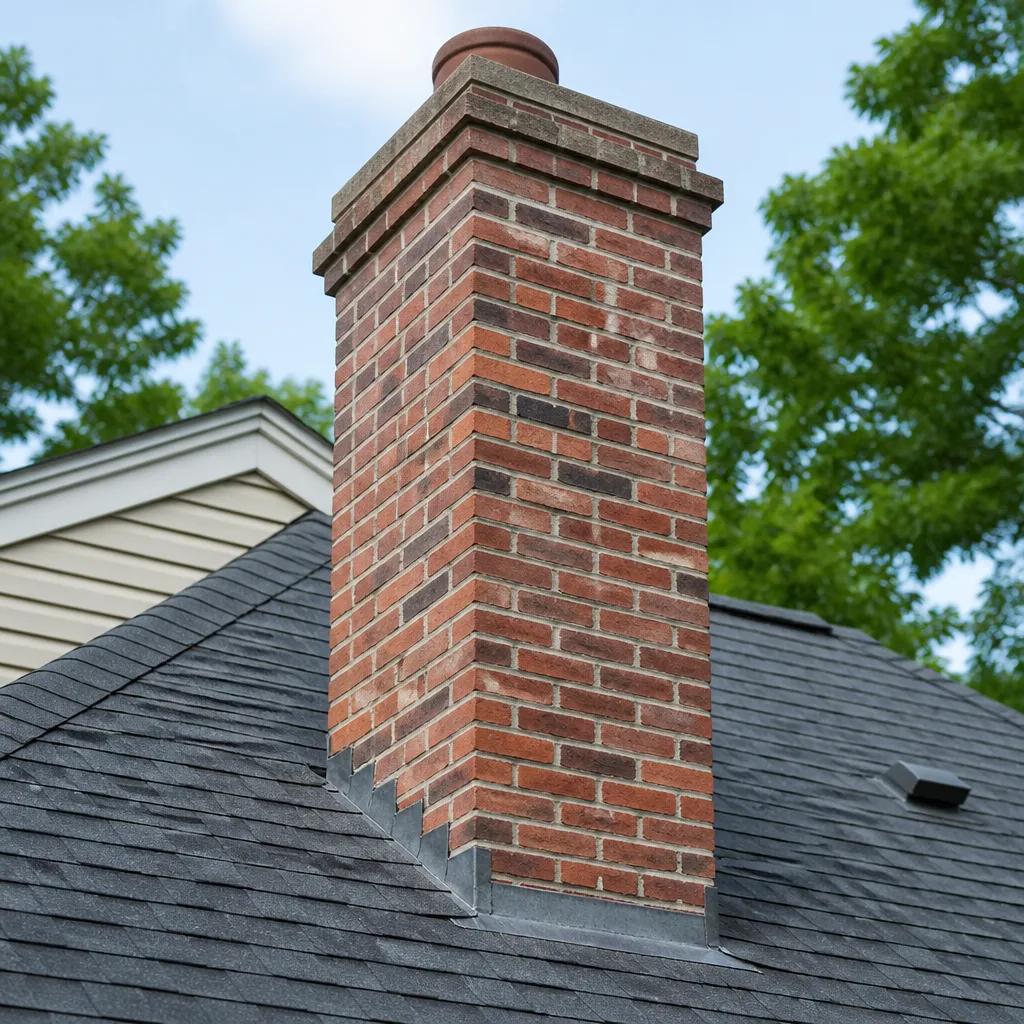 Masonry repair
 Gas fireplace service
Level 1 sweep and inspection to the NFPA 211 annual standard - flue, crown, cap, and flashing checked and photographed
Chimney sweep logs do not sweep chimneys. They loosen some creosote - which then falls where a brush and vacuum still have to collect it.
Chimney Cleaning Permits, Codes & Inspections in New Orleans, LA: What You Need to Know
Most homeowners assume chimney cleaning never needs a permit, and for a standard sweep they’re usually right. But here’s the part that surprises people: the moment a repair touches a liner, flashing, or any structural component of the chimney, the rules change. In New Orleans, that line between cleaning and construction is where liability quietly shifts onto the homeowner. If work was done without the right permit, you may not find out until a home sale or an insurance claim forces the issue. This guide walks through which chimney services require a permit under the Louisiana State Uniform Construction Code, how the Office of Safety and Permits treats historic districts, why NFPA 211 matters here, how to protect yourself from unpermitted work, and how to verify a contractor’s permits before a job starts rather than after.
Quick Answer
In New Orleans, routine chimney sweeping is maintenance and does not require a permit. Structural chimney repair, relining, cap and flashing replacement, and masonry rebuilds generally do require a permit under the Louisiana State Uniform Construction Code, administered in the city by the Office of Safety and Permits. Historic-district properties may face additional review. All chimney work, permitted or not, should follow NFPA 211, the national standard inspectors reference.
Styles & brands we work with
- Sweep & inspection
- Caps & crowns
- Flue relining
- Masonry repair
- Gas fireplace service
Table of Contents
- Which chimney services need a permit in New Orleans?
- What does the Louisiana State Uniform Construction Code say?
- How do historic districts change the permit process?
- What is NFPA 211 and why does it govern chimney work?
- What happens if unpermitted work surfaces later?
- How do you verify a contractor pulled the permit?
- What does a chimney inspection actually check?
- How do you choose a chimney contractor in New Orleans?
Which chimney services need a permit in New Orleans?
Cleaning the flue doesn’t need a permit. Repairing, relining, or rebuilding the chimney almost always does. The dividing line is whether the work changes, adds to, or replaces a component of the chimney system. Cleaning removes creosote and soot from a system that stays as it was. A reline, a new cap, flashing replacement, or masonry repair alters the structure, and that’s when the Louisiana State Uniform Construction Code kicks in.
Here’s how it usually breaks down:
- Chimney sweep and inspection: Maintenance only. No permit needed in New Orleans.
- Dryer vent cleaning: Maintenance only. No permit for cleaning, though rerouting or replacing vent ductwork is a different matter.
- Chimney relining (including flexible liner installation): Typically permitted. This is a structural change to the flue.
- Flue resurfacing (such as HeatShield ceramic repair): Usually permitted, since it restores the flue’s structural integrity.
- Chimney cap installation or replacement: Often permitted, and rules vary by the scope of the work.
- Crown repair or rebuild: Permitted. This is masonry work on the chimney top.
- Flashing repair or replacement: Permitted when the flashing is removed or replaced rather than patched.
- Full or partial masonry rebuild: Permitted.
- Firebox repair: Often permitted, depending on whether structural masonry is involved.
In our experience, the uncertainty is real: some small repairs genuinely don’t need a permit, and some homeowners get talked into skipping one for work that does. The safest move is to ask the contractor directly whether they’ll pull a permit for the specific job, and to ask the city what that job requires. Our chimney sweep visits never need one, which is one reason it’s the simplest call to make when you’re not sure of your chimney’s condition. If the sweep turns up damage, we tell you then whether a permit applies and what the fix involves.
What does the Louisiana State Uniform Construction Code say?
Louisiana adopts the International Residential Code and International Building Code through the Louisiana State Uniform Construction Code, which local jurisdictions are required to enforce. In New Orleans, that enforcement runs through the Office of Safety and Permits. The practical result: chimney work that counts as construction, meaning anything that adds, alters, or replaces a structural or mechanical component, falls under the code and requires a permit and inspection. Maintenance, meaning cleaning and minor repairs that don’t change the system, does not.
The code matters less as a document and more as the standard an inspector applies when they look at your chimney. A code-compliant chimney has:
- A flue with a sound, continuous lining sized for the appliance it serves.
- Proper clearance from combustible materials, per the manufacturer’s listing and NFPA 211.
- A crown that sheds water away from the flue.
- Flashing that’s correctly lapped and sealed at the roof line.
- A cap and spark arrestor where the code and local practice call for one.
New Orleans is a humid city, and humidity stresses masonry chimneys more than people expect. Brick and mortar absorb moisture, and a chimney that looked fine in dry weather can show spalling or soft mortar once the summer sets in. That’s one reason a repair scope can grow after the chimney is opened up, and why a permit should cover the repair you actually end up doing, not just the one planned at the start. It’s also why we don’t treat the sweep as a one-off: we use it as the diagnostic step before any permitted repair, so the scope is grounded in what the chimney actually needs. Call New Orleans Chimney Cleaning if you’d like to know whether your chimney needs permitted work or just a cleaning.
How do historic districts change the permit process?
In a New Orleans historic district, chimney repairs that would be routine elsewhere can require additional review before the Office of Safety and Permits issues a building permit. The city has multiple historic districts, including the French Quarter, the Garden District, and parts of Uptown. If the chimney is visible from the street, its exterior appearance may be subject to review, which means the materials matter: replacing a clay chimney pot with a modern metal cap, or changing the brick to match, can trigger a compliance conversation that a standard residential job wouldn’t.
What that means for a chimney job in a historic district:
- Scope the work realistically. Establish what’s being repaired and how visible the finished work will be from the street.
- Ask the permitting office about design review. Before you accept a quote, confirm whether the district adds a review step to the permit.
- Choose materials that fit the neighborhood. Professional brands matter here: the liner, cap, and flashing should be appropriate to the building and its district.
- Expect a longer timeline. Review adds time, and work shouldn’t start until the permit is issued.
Historic-district rules vary block to block, so we won’t pretend there’s a single answer for the whole city. What we can tell you is that the review step is real, and it’s a reason to work with a contractor who’s handled it before. Our New Orleans team can build the repair scope so it fits the district’s requirements from the outset, rather than discovering the problem when the inspector shows up.
What is NFPA 211 and why does it govern chimney work?
NFPA 211 is the National Fire Protection Association’s standard for chimneys, fireplaces, vents, and solid fuel-burning appliances. It’s the national benchmark that local codes reference, inspectors apply, and competent chimney professionals follow. It defines the levels of chimney inspection, clearances from combustibles, liner requirements, and the conditions that trigger repair. When an inspector in New Orleans looks at your chimney, NFPA 211 is the standard they have in mind.
The standard recognizes three levels of inspection, and it’s worth knowing what each one means before someone recommends one:
- Level 1: A visual inspection of the readily accessible parts of the chimney and connected appliance, done with the standard tools. It’s the normal check during a routine sweep.
- Level 2: A more thorough inspection that includes accessible parts of the attic, crawlspace, and other areas connected to the chimney. It’s used after a chimney fire, a change in appliance, a change in fuel type, or the sale of a home. It often involves a camera inspection of the flue.
- Level 3: The most involved level, used when a Level 1 or Level 2 check finds a problem that requires access to concealed parts of the chimney, which may mean removing masonry or drywall to inspect the interior.
We include camera inspection and a photo report with our sweeps, which gives you evidence you can look at yourself rather than a verbal checklist. If the flue needs repair, the standard tells us what’s necessary and the code tells us whether a permit is required. Products from brands such as Olympia Chimney and Gelco are part of that repair vocabulary: they’re materials professionals use when a liner, cap, or flashing needs to be replaced to NFPA 211. Call dryer vent cleaning if your laundry vent is due as well; both systems are fire hazards and both deserve professional attention.
What happens if unpermitted work surfaces later?
Unpermitted chimney work typically surfaces at two moments: a home sale or an insurance claim. At a sale, a title search or inspection can flag work done without a permit, and a buyer or lender can require that it be permitted, inspected, and brought up to code, which can mean opening walls, redoing work, and paying for inspections after the fact. On an insurance claim, an insurer can point to unpermitted structural work as a reason to dispute coverage, especially where a fire or carbon monoxide incident traces back to the chimney.
Louisiana contractors are required to pull the permits for work that needs one, so the homeowner isn’t the only party to blame. But the exposure still lands on the homeowner: the permitted record is in your name, the inspection is on your property, and the insurance policy covers your house. The practical checklist:
- Keep the paperwork. Save the permit number, the inspection record, and the contractor’s written scope. If you ever sell, you’ll need them.
- Don’t accept “we’ll handle it” without a permit number. “Handling it” is not the same as pulling a permit.
- Check the record early. If you’ve bought a house with prior chimney work, look up the permit history before you rely on the fireplace.
- Fix it before it becomes an issue. A permitted repair today is cheaper than a disputed claim or a delayed closing later.
We’ve seen the pattern often enough to say it plainly: the paperwork is the cheap part. If a repair needs a permit, get the permit.
How do you verify a contractor pulled the permit?
You verify a chimney permit by checking the public record and by checking the contractor’s statement against it, before work starts, not after. New Orleans issues permits through the Office of Safety and Permits, and the permit record is searchable by address. If a contractor tells you the permit is pulled, you should be able to find it under your property. That’s the whole test, and it’s worth doing on every financed, insured repair job.
Here’s a sequence that works:
- Ask in writing. Before booking, ask the contractor: “Will this job require a permit, and will you pull it?” Get the answer in the estimate or an email.
- Get the permit number. Once the permit is pulled, ask for the number and the name it was issued under.
- Look it up. Search the city’s permit records under your address and confirm the scope matches the work being done.
- Confirm the inspection. Permitted work is inspected. Ask who schedules the inspection and make sure it happens before final payment.
- Keep the closeout paperwork. Store it with your home records for the next sale or claim.
A good contractor won’t be bothered by any of this. If anything, they’ll appreciate it, because it separates them from the ones who operate without permits. Our technicians have up to 14 years of experience, and we’re happy to walk you through whether your job requires a permit and what the process looks like. Call (833) 946-8575 for a free estimate.
What does a chimney inspection actually check?
A chimney inspection checks the flue, the firebox, the crown, the flashing, and the clearances around the chimney, using visual access plus a camera for the flue interior. It’s the diagnostic step, and it’s what makes any later repair recommendation credible. Without it, a repair quote is a guess. With it, you have a picture of the flue, the condition of the liner, and the evidence for whatever comes next.
During an inspection, the technician checks:
- The flue interior: cracks, gaps, spalling, and creosote buildup. A camera shows the whole run, not just what’s visible from the top.
- The firebox and damper: cracks in the masonry and the condition of the damper mechanism.
- The crown: cracks or deterioration that let water into the chimney.
- Flashing: whether it’s properly seated and sealed at the roof line.
- Clearances: whether the chimney is properly separated from combustible materials, per NFPA 211.
- The appliance connection: for a fireplace insert or wood stove, how the appliance connects to the flue.
Evidence matters. If a flue is cracked, a photo shows it. If it’s sound and just needs a cleaning, the camera shows that too, and we say so. Nothing gets recommended without camera evidence you can see for yourself, and we’ll tell you plainly when work can safely wait. Call (833) 946-8575 if you’d like to know where your chimney stands. We answer 24/7. Fast dispatch from 7am to 7pm, Sunday through Friday.
How do you choose a chimney contractor in New Orleans?
Choose a chimney contractor by verifying three things: that they’ll inspect before they recommend, that they’ll pull a permit when the work requires one, and that they can handle both the inspection and the repair under one roof. That last point matters more than people realize. A sweep-only company cleans and hands over a report; you then have to find a second contractor to do the repair, and the two of them may not agree on what’s needed. A full-service shop diagnoses and fixes the same problem with the same crew.
What to look for:
- Camera inspection and a photo report included. You should be able to see the evidence yourself.
- A flat-price sweep agreed before booking. No surprises on the invoice.
- Professional-grade materials. We work with DuraFlex, HeatShield, Gelco, Olympia Chimney, Famco, and Copperfield for liners, caps, resurfacers, and venting components. That’s material access you don’t get from a discount sweep.
- Resurfacing capability. HeatShield ceramic resurfacing can restore a cracked masonry flue without the cost of a full reline. Ask whether your chimney qualifies.
- Willingness to pull permits. A contractor who avoids permits is telling you something about how they work.
We don’t just clean: we assess, repair, and restore. That includes the flue liner, the crown, the flashing, and dryer vent work, which is a dedicated service line for us rather than an upsell. One call covers your fireplace flue and your dryer vent, and both are fire hazards that deserve professional attention.
Common Mistakes to Avoid
- Assuming any chimney repair is permit-free. Cleaning is, repair often isn’t. If the work touches a liner, flashing, or masonry, ask about a permit before you agree to anything.
- Accepting a repair quote without an inspection. A quote without camera evidence is a guess. Insist on the inspection and the photo report first.
- Taking “we’ll handle the paperwork” at face value. A permit is a public record. Get the number and look it up, or you may be the one holding the liability later.
- Replacing the flue when resurfacing would work. A cracked masonry flue can often be restored with HeatShield ceramic resurfacing rather than a full reline. Ask which option fits your chimney.
- Overlooking historic-district review. In the French Quarter, Garden District, and parts of Uptown, visible chimney work may face an additional review step. Budget time for it.
- Skipping the dryer vent. The laundry vent is a fire hazard with its own lint buildup. If you’re booking a sweep, ask about the dryer vent at the same time.
- Ignoring the record after the job. Keep the permit, inspection, and contract together. If you ever sell the house or file a claim, you’ll need them.
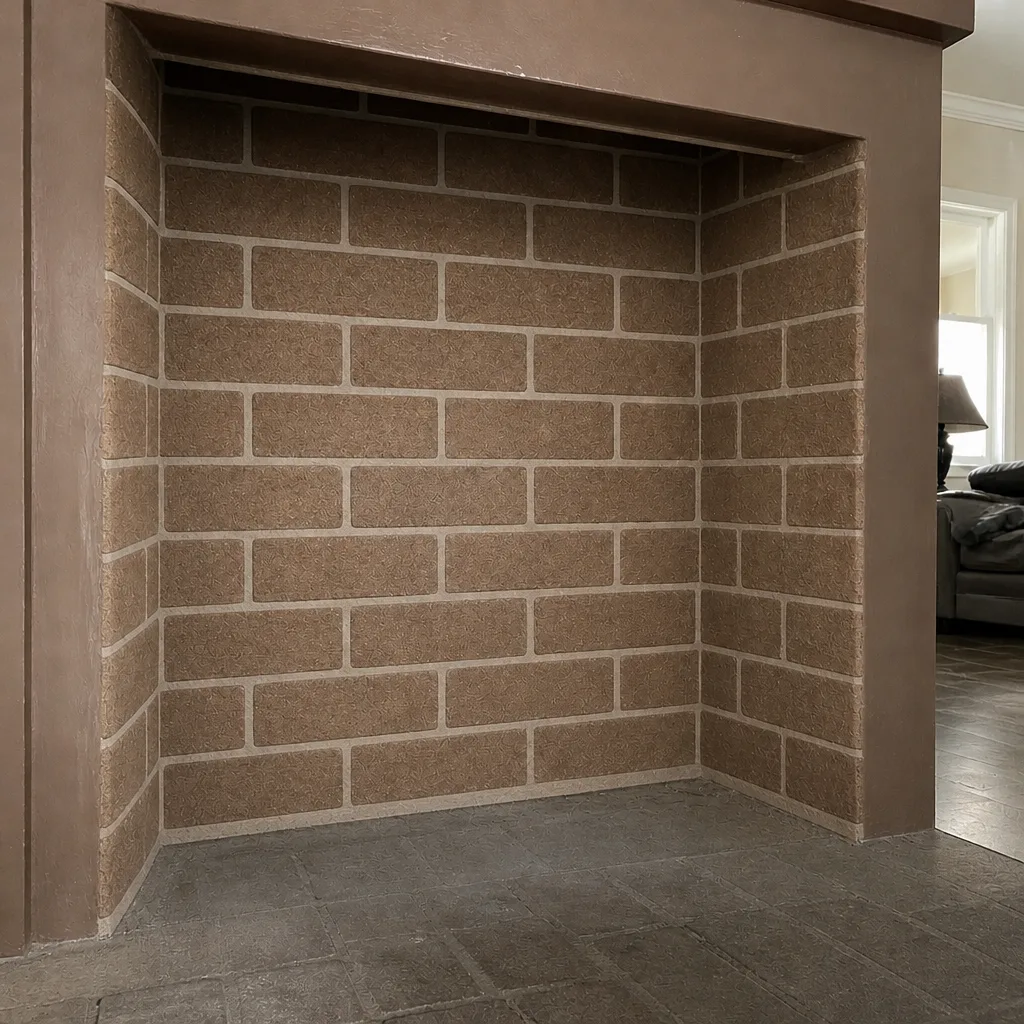
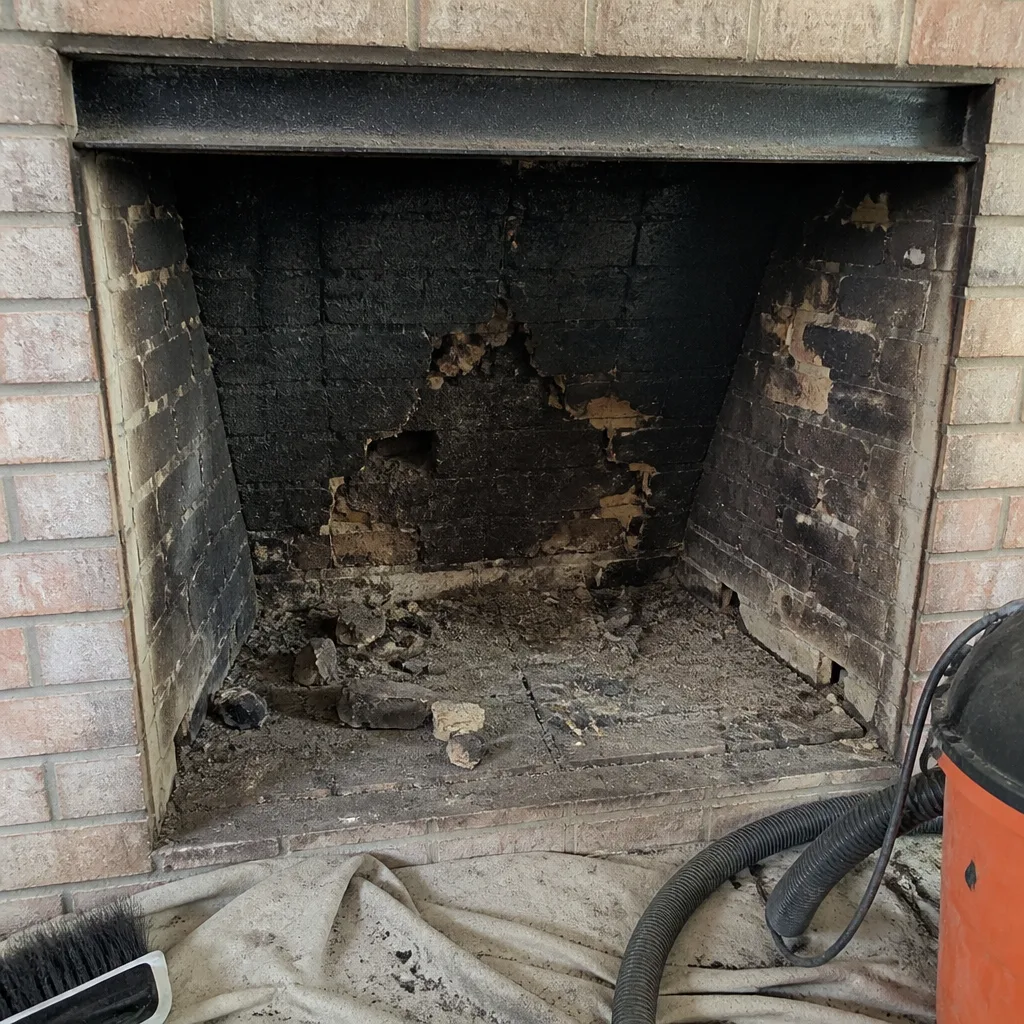
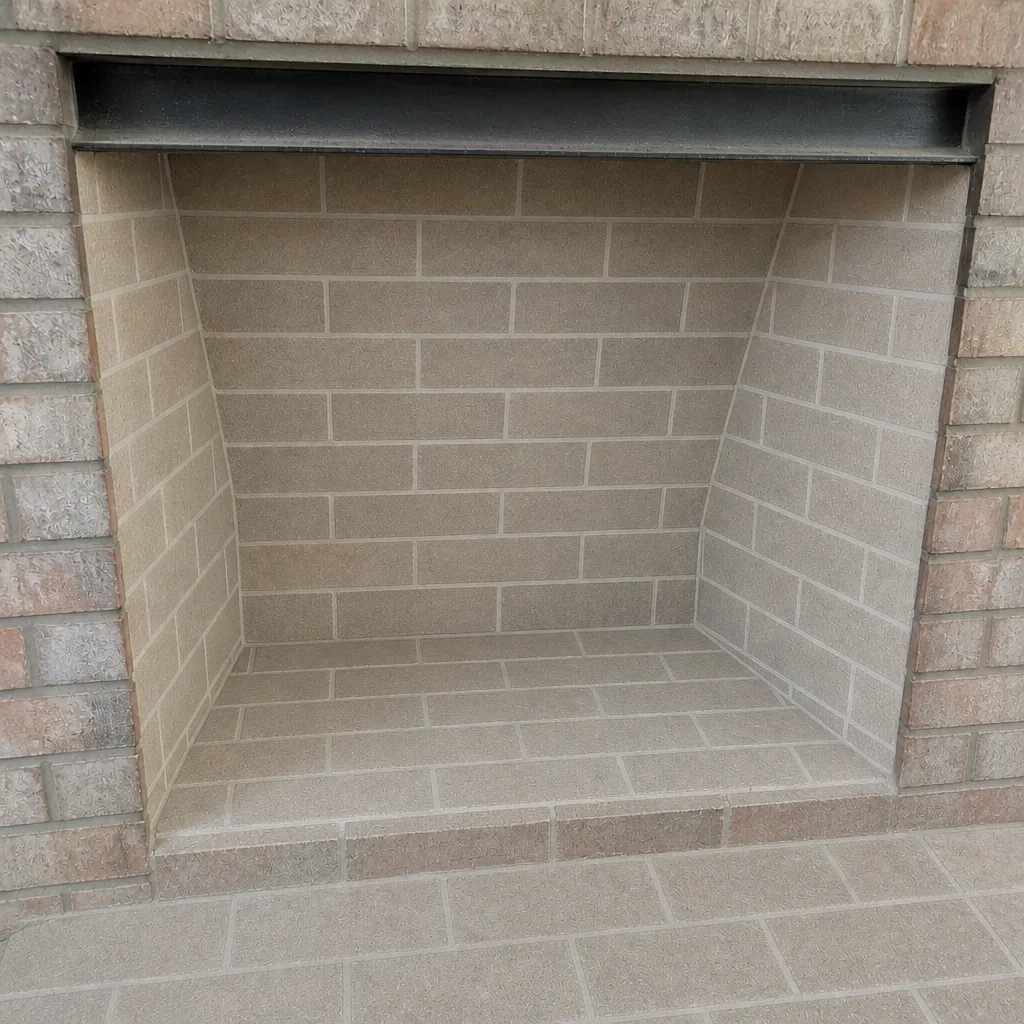
See the difference
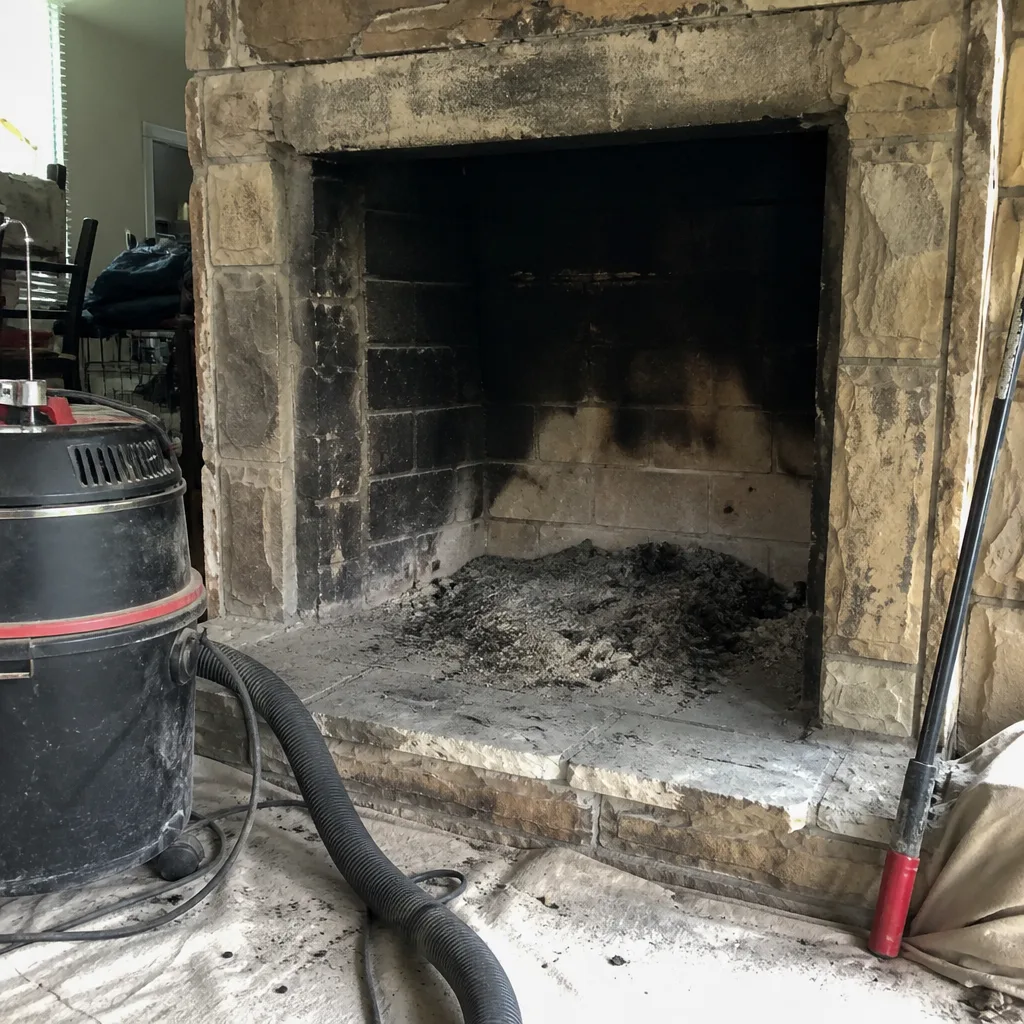 Before
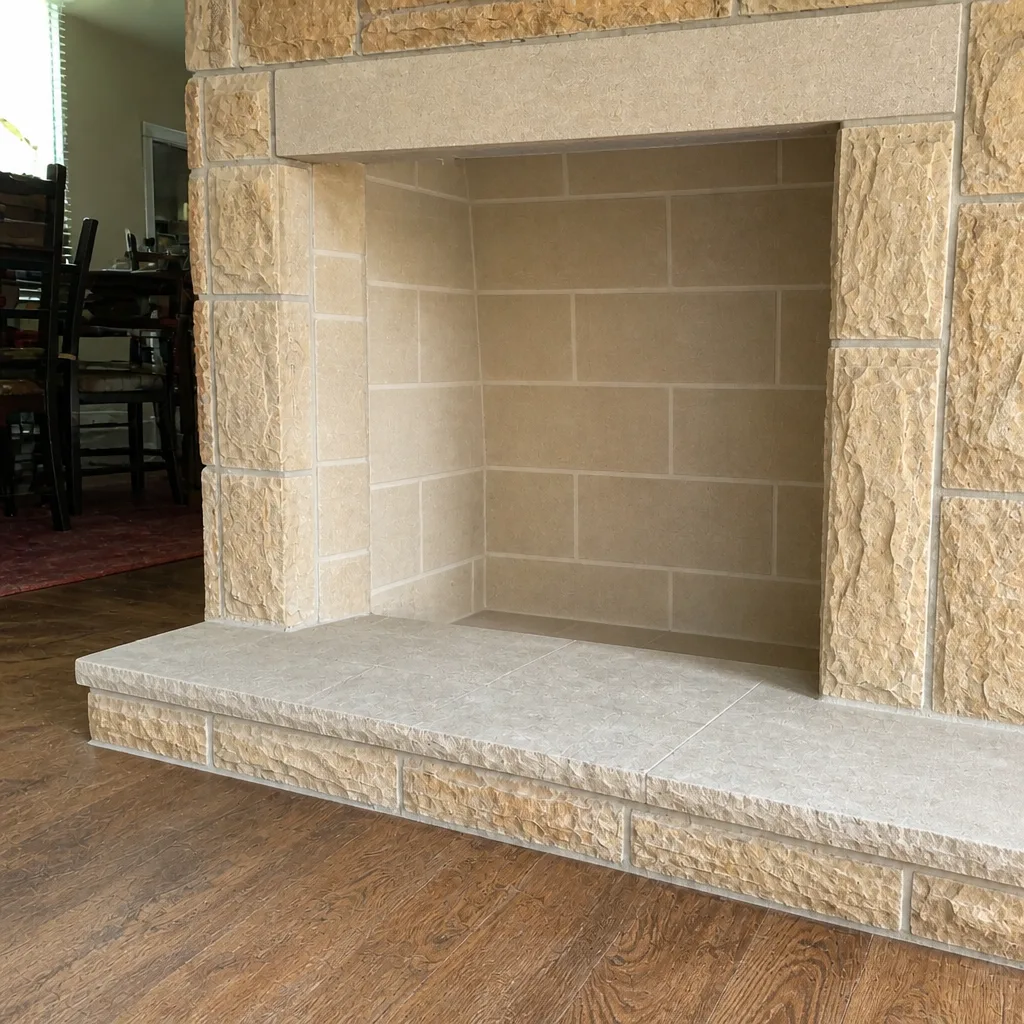 After
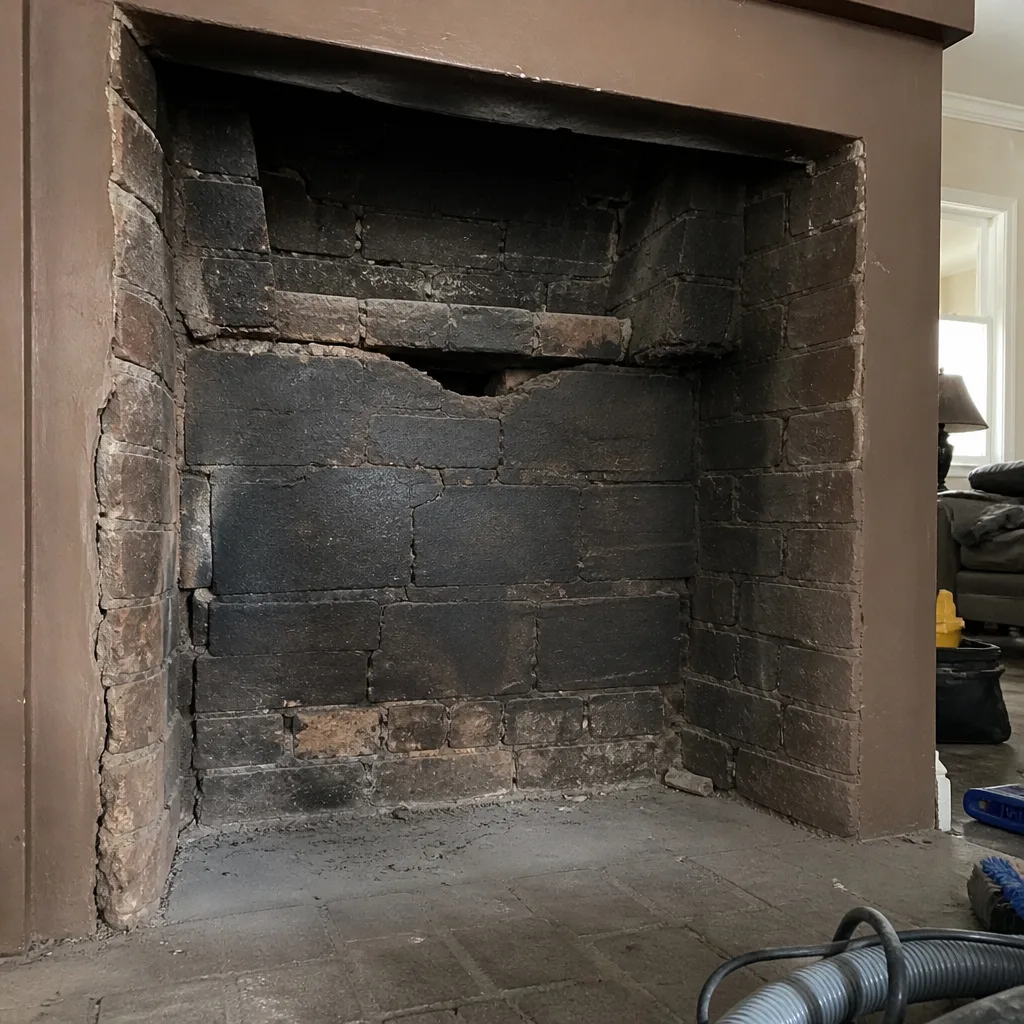 Before
 After
 Before
 After
When to Call a Professional
Call a professional when your chimney hasn’t been inspected in a year or more, when you’ve had a chimney fire or suspect one, when you’re changing a fireplace insert or appliance, when the firebox shows cracks, when you see water stains or spalling on the chimney, and when you’re preparing to sell or buy a home with a fireplace. Those are the moments when an inspection should come before any repair quote, and when a permitted repair, done once and inspected, is cheaper than fixing a problem twice. New Orleans Chimney Cleaning offers free estimates in New Orleans. Call (833) 946-8575. We answer 24/7. Fast dispatch from 7am to 7pm, Sunday through Friday.
Frequently Asked Questions
No. Routine chimney cleaning and inspection are maintenance and don’t require a permit in New Orleans. Repair work that changes or replaces a liner, flashing, cap, crown, or masonry generally does fall under the Louisiana State Uniform Construction Code and requires a permit. Call (833) 946-8575 for an exact scope; estimates are free.
In most cases, yes. A reline is a structural change to the flue, which puts it under the Louisiana State Uniform Construction Code and the Office of Safety and Permits. The permit protects you at a home sale or insurance claim, when the unpermitted work would otherwise come back to bite. Call (833) 946-8575 before you book a reline so the permit is part of the plan, not an afterthought.
Creosote builds up in the flue, and the risk of a chimney fire rises with it. Carbon monoxide exposure is the other risk, especially when the flue is blocked or cracked. Skipping maintenance doesn’t create a visible warning before the problem, which is exactly why annual inspection matters. Call (833) 946-8575 for an exact quote; estimates are free.
Look it up. New Orleans issues permits through the Office of Safety and Permits, and the record is searchable by address. Ask for the permit number, confirm the scope matches the work, and confirm the inspection was completed before you make the final payment. If a contractor can’t produce a number, treat that as a reason to pause. Call (833) 946-8575 with questions about your job.
They can be. Chimney repair in a historic district may face additional design review when the work is visible from the street, and materials may need to fit the district. That adds time to the permit process, not necessarily money to the repair. Call (833) 946-8575 for an exact quote; estimates are free.
Once a year for a wood-burning fireplace that sees regular use, and more often if you burn frequently. New Orleans humidity works on masonry year-round, so the annual visit doubles as your chance to catch a moisture problem before it becomes a repair. Call (833) 946-8575 to book. We answer 24/7. Fast dispatch from 7am to 7pm, Sunday through Friday.
The Bottom Line
The permit question comes down to one distinction: cleaning is maintenance, and repair is construction. Sweeping, inspection, and dryer vent cleaning don’t need a permit in New Orleans. Relining, resurfacing, cap and flashing work, crown repair, and masonry rebuilds generally do, under the Louisiana State Uniform Construction Code and through the Office of Safety and Permits. Historic districts can add a review step. NFPA 211 is the standard inspectors apply. And the paperwork you keep after a permitted job is what protects you at a home sale or an insurance claim. In our experience, the homeowner’s real protection is a contractor who inspects first, shows the evidence, and pulls the permit before touching the chimney.
New Orleans Chimney Cleaning handles chimney sweeping, chimney repair, and dryer vent cleaning across New Orleans. We work with professional-tier materials from DuraFlex, HeatShield, Gelco, Olympia Chimney, Famco, and Copperfield, and we’ll tell you whether your job needs a permit and what the process looks like. Call (833) 946-8575 for a free estimate. We answer 24/7. Fast dispatch from 7am to 7pm, Sunday through Friday.
Written by the team at New Orleans Chimney Cleaning.